I Finally Found Sliding Door Solar Shades That Don't Look Like an Office
I spent three months squinting at my laptop every afternoon because my west-facing slider was basically a giant magnifying glass. I tried heavy velvet drapes first, but they just collected cat hair at the base and felt like a massive, dusty wall of fabric every time I wanted to let the breeze in. I knew I needed sliding door solar shades, but I was terrified of that cold, 'dentist office' aesthetic that usually comes with UV-blocking materials.
There is a specific kind of dread that comes with installing commercial-grade window treatments in a cozy home. You want the protection, but you don't want your living room to feel like a high-rise cubicle. After three sets of samples and one very expensive return, I finally cracked the code on making these functional treatments look intentional, soft, and residential.
Quick Takeaways
- Choose a 3% to 5% openness factor to balance glare reduction with a clear view of your patio.
- Opt for textured weaves—think flax, sand, or charcoal—rather than flat, plasticky greys.
- Mount the shade at least 3 inches above the door frame to keep the roll out of the way of the handle.
- Layer with light linen sheers if you want to avoid the 'black hole' look at night.
The Corporate Boardroom Trap (And How to Avoid It)
We've all been in that conference room with the grey, perforated screens that make the outside world look like a low-resolution video game. That is the boardroom trap. When you pick a solar shade that is too flat or too 'cool' in tone, it sucks the warmth right out of your interior design. The secret is in the weave. You want a material that has some variegation in the thread, mimicking the look of a natural textile.
I found that the fabric weights that make sliding glass door solar shades look chic are usually those that lean into a heavier, more tactile presence. A 400 gsm weight feels substantial and hangs straight without fluttering every time the HVAC kicks on. If the fabric is too thin, it looks like a cheap screen; if it has a bit of 'tooth' to it, it catches the light in a way that feels like a design choice rather than a utility.
Why I Ditched Heavy Drapes for Sliding Shades for Sliding Glass Doors
I love a floor-to-ceiling curtain as much as the next stylist, but they are a logistical nightmare for high-traffic areas. My patio door gets opened twenty times a day. Every time someone walked through, the drapes would get caught in the slider track or, worse, dragged outside into the dirt. It was a constant battle of re-straightening pleats and vacuuming the hems. It felt cluttered.
Switching to sleek roller shades changed the entire flow of the room. Instead of two massive bundles of fabric eating up 18 inches of wall space on either side of the door, the solar shades disappear into a slim cassette at the top. It opened up the room visually and physically. No more tripping over a 96-inch linen panel while carrying a tray of drinks to the deck or worrying about the dog making a bed out of the fabric puddles.
Getting the Opacity Right So You Can Still See Your Yard
The biggest mistake people make is going too dark with their 'openness' percentage. If you choose a 1% openness, you are basically looking at a solid wall. You lose the connection to your outdoor space entirely. I generally recommend outdoor shades 5 openness for most residential living rooms. It is the sweet spot: it cuts the glare on the TV and protects your hardwood floors from fading, but you can still see the kids playing in the grass.
Think of it like sunglasses for your house. You want to see the world, just with the brightness turned down. A 5% weave allows enough light to filter through that the room still feels airy, but it blocks 95% of the UV rays that turn your navy rug into a dusty purple over time. If you have a neighbor's brick wall three feet away, maybe go tighter, but if you have a view, let it breathe.
Mounting a Solar Shade for Sliding Glass Door Without Blocking the Handle
This is where the DIY projects usually go sideways. Most sliding door handles stick out about 2 to 3 inches from the frame. If you mount your shade too close to the glass, the fabric will catch on the handle every time you lower it. This leads to frayed edges and a very frustrated homeowner. I learned this the hard way after my first shade ended up with a permanent crease from hitting the latch.
You need to measure the 'projection' of your handle first. I usually use a spacer block or choose a bracket that allows for a 3.5-inch clearance. It is better to have a small gap between the shade and the glass than to have a shade that gets stuck halfway down. Also, consider the 'reverse roll'—where the fabric comes off the front of the tube—which gives you an extra inch of clearance away from the door hardware naturally.
Inside Mount vs. Outside Mount for Wide Sliders
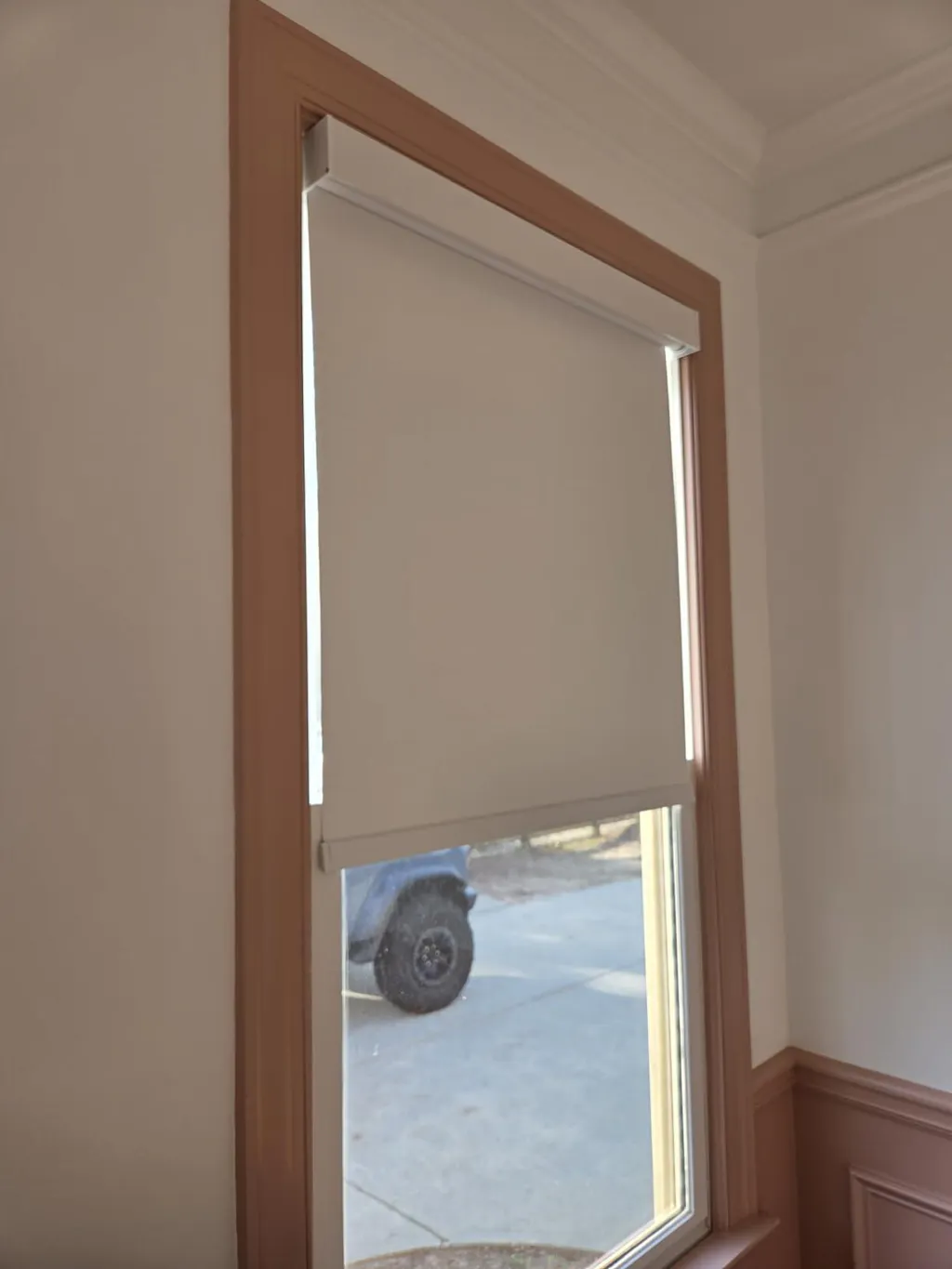
Unless you have deep, architectural window wells, an inside mount is usually a trap for sliding doors. Most sliders don't have the 4 inches of depth required for a clean flush fit. An outside mount, installed about 4 inches above the trim, makes the door look taller and ensures the shade clears the frame entirely when fully raised. It is a cleaner, more custom look that hides the bulky top of the door frame.
How to Soften Solar Shades Sliding Glass Doors for the Evening
One honest downside to solar shades: they don't provide privacy at night. When the lights are on inside and it is dark outside, the 'sunglasses' effect reverses. People can see in, but you can’t see out. It can feel a bit like living in a fishbowl once the sun goes down. To fix this, I often suggest layering or looking into versatile day night shades.
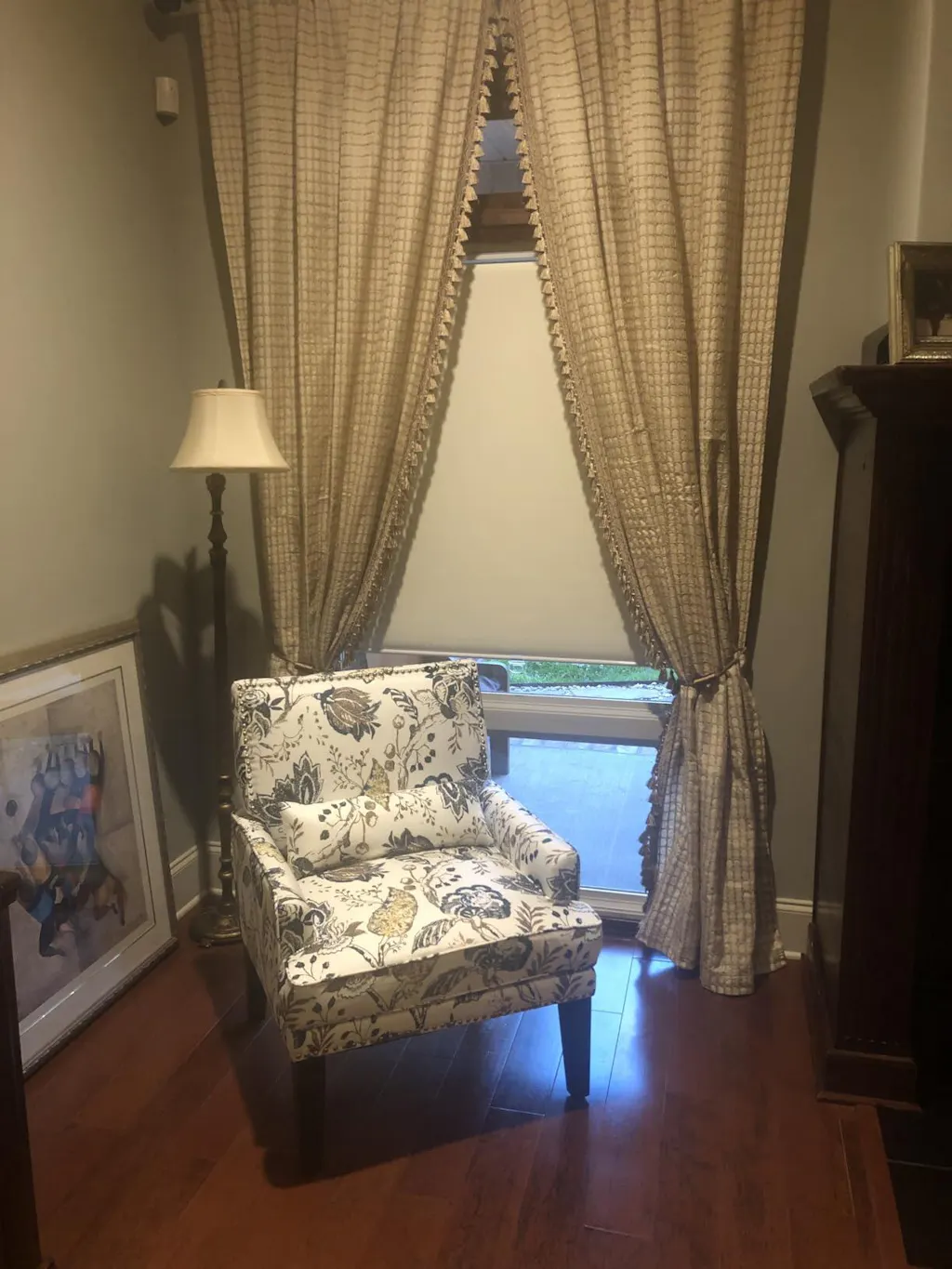
If you don't want a dual-shade system, you can soften the look by hanging a simple, non-functional curtain rod over the solar shades. Use two light linen panels on the ends just to frame the door. They don't need to close; they are just there to provide that soft textile vibe that balances the technical look of the solar shade. It gives you the best of both worlds: UV protection during the day and a cozy, layered look at night when the view disappears.
FAQ
Can I see through solar shades at night?
Yes, and that is the catch. During the day, you see out and people can't see in. At night, it flips. If you need 100% privacy for a bedroom slider at night, you will need to layer them with a blackout drape or choose a dual-shade system.
Do solar shades actually keep the room cooler?
Absolutely. By reflecting the sun before it hits your floor and furniture, you can drop the temperature near the glass by several degrees. It is the difference between a room that feels like a greenhouse and one that stays comfortable all afternoon.
Are they hard to clean if kids touch them?
Not at all. Unlike fabric drapes that absorb oils and dirt, most solar shades are a vinyl-coated polyester or high-tech weave. A damp microfiber cloth and a tiny bit of dish soap will take off sticky fingerprints in about five seconds without leaving a watermark.