I Finally Found Cordless Cellular Blinds Canada Winters Can't Defeat
I remember waking up at 3 AM last January to a sound I couldn't identify. It wasn't the wind; it was the literal cracking of the frost on my bedroom window glass. I had these beautiful, 100% Belgian linen sheers that looked like a dream in August, but by mid-winter, they were basically just thin napkins trying to hold back a polar vortex. That was the moment I realized my aesthetic-over-everything approach was failing me, and I started hunting for cordless cellular blinds canada homeowners could actually rely on without sacrificing their soul to big-box store blandness.
- Honeycomb structures act as insulation, trapping air to keep heat in and cold out.
- Cordless mechanisms offer a cleaner, architectural look compared to messy strings.
- Layering cellular shades with drapes provides the ultimate thermal barrier.
- Pleated shades are great for texture but lack the insulating power of cellular pockets.
The Frosty Window Dilemma Nobody Talks About
In the design world, we spend so much time talking about light filtration and privacy that we forget about the literal temperature of a room. When you live in a climate where -30 degrees is a regular Tuesday, your windows become giant radiators of cold. I’ve tried the heavy velvet drape route, and while it helps, there’s always that icy draft sneaking out from the bottom or the sides. The reality of styling a home in a freezing climate is that you need a functional base layer that sits tight against the glass.
I used to think cellular shades were the 'sensible shoes' of the window treatment world—practical, but boring. I was wrong. The technology has caught up to the design, and you can now find textures and tones that don't look like they belong in a corporate cubicle. The goal is to stop that aggressive chill before it hits your living space, allowing your decorative curtains to do the pretty work while the blinds do the heavy lifting.
Why I Stopped Using Flat Fabrics on North-Facing Windows
If you have a north-facing window in a Canadian winter, a standard roller shade is about as effective as a screen door. Flat fabrics don't have the volume to create a thermal break. This is where the honeycomb structure shines. By trapping a layer of air within the 'cell,' these shades create a buffer between the freezing glass and your warm interior air. I actually saved my drafty original windows in my 1920s brick cottage just by switching out the old metal venetians for a double-cell structure.
It’s simple physics, really. Heat moves toward cold. Without an air pocket to slow it down, your expensive furnace-heated air is just rushing toward the glass to cool off. I’ve noticed a significant difference in my heating bill, but more importantly, I can actually sit on my window bench in February without wearing a parka. Single-layer shades just can't compete with that geometry.
Ditching the Tangle: Why Cordless is Non-Negotiable
There is nothing that ruins a high-end room faster than a tangled mess of polyester cords dangling in the corner. Beyond the obvious safety benefits for kids and pets, cordless is a visual necessity. It allows the shade to sit perfectly level, emphasizing the crisp horizontal lines of the pleats. When I started looking into modern cellular shades, I realized that the cordless lift mechanism feels much more intentional and 'custom' than the old-school pull-string versions.
The tactile experience matters too. There’s a specific satisfaction in just nudging a shade up with one finger and having it stay exactly where you want it. It keeps the window frame looking architectural rather than cluttered. If you're going for a minimalist look, cordless is the only way to go. It turns a utility item into a clean design element.
Are Pleated Shades Canada's Stylish Runner-Up?
People often use the terms interchangeably, but pleated shades canada shoppers should know the difference. A pleated shade is a single layer of fabric folded into an accordion shape. From the front, they look very similar to cellular shades, but they lack that 'honeycomb' pocket. This means they don't offer the same R-value or insulation. I love a pleated shade for a powder room or a kitchen where I want a crisp, structured look but don't necessarily need to worry about heat loss.
If you’re choosing between the two, think about the room's exposure. For a south-facing room that gets baked in the sun or a north-facing room that stays frozen, go cellular. If you’re just looking for a bit of texture on a window that’s already fairly well-insulated, a pleated shade can be a beautiful, slightly more affordable alternative. Just don't expect it to stop the frost from creeping in on a January night.
How to Make Honeycombs Look Like Custom Architecture
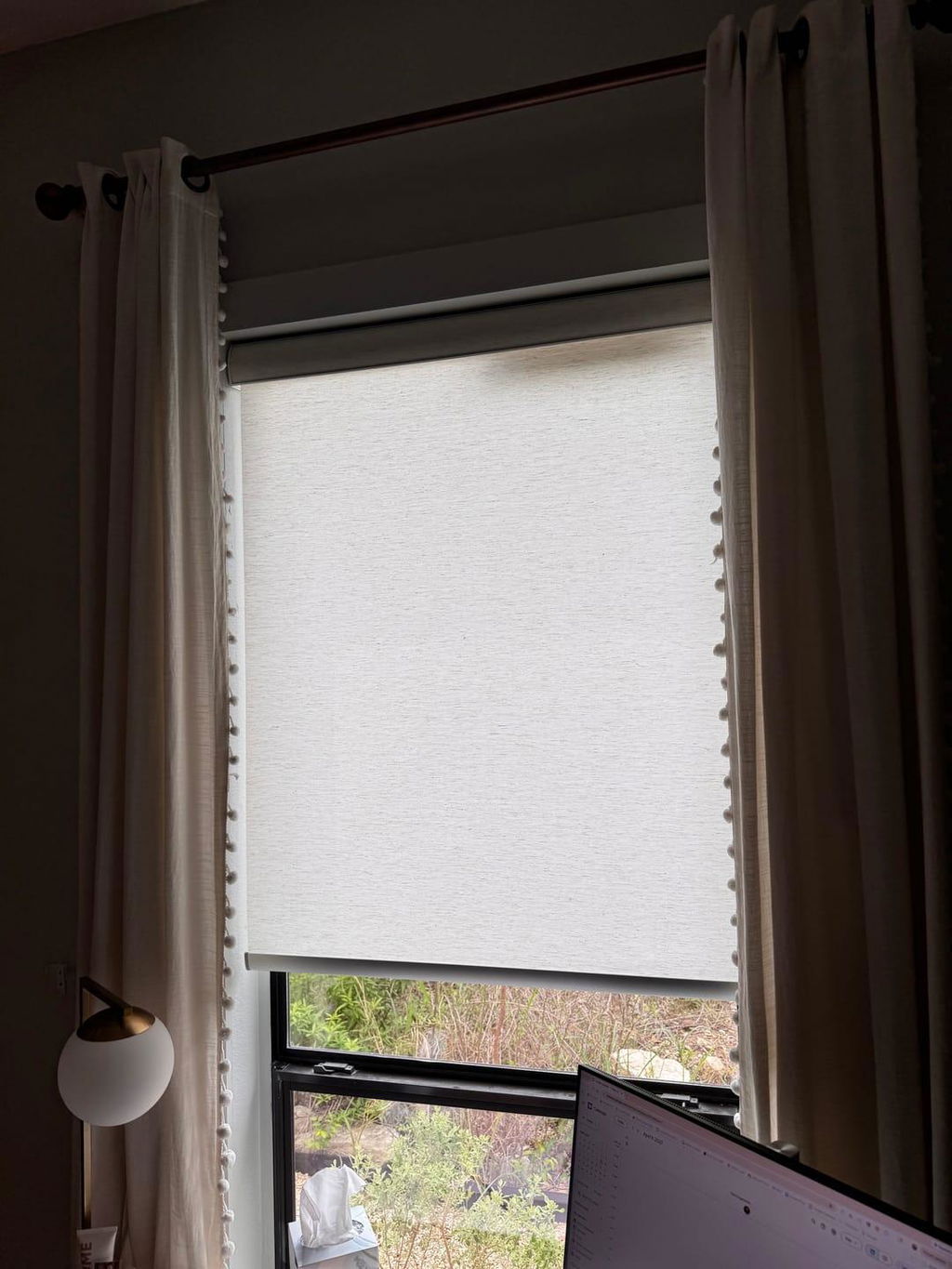
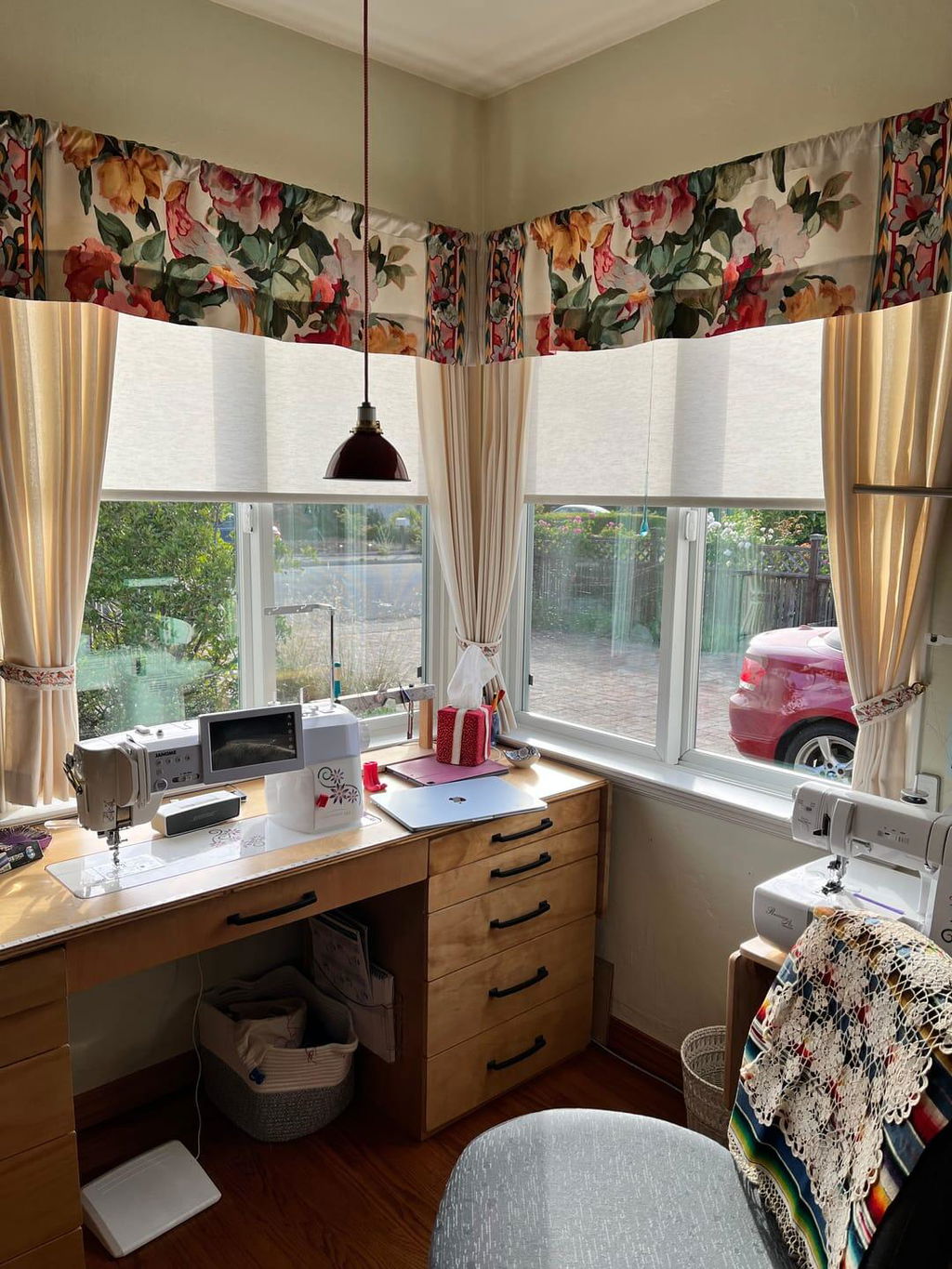
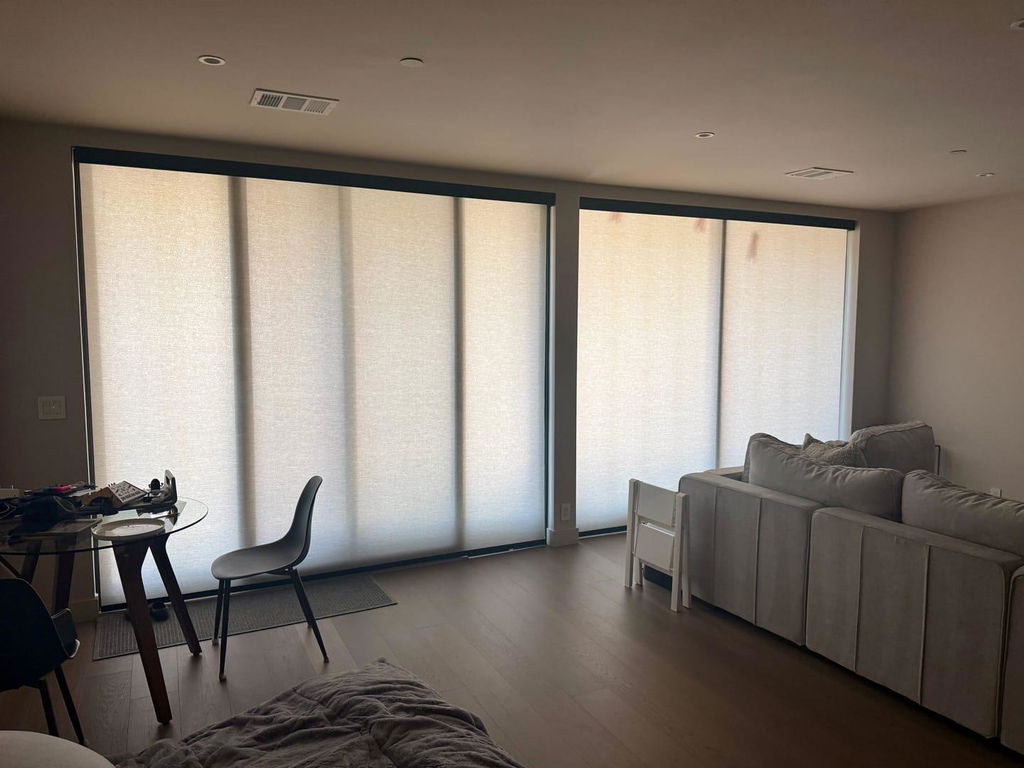
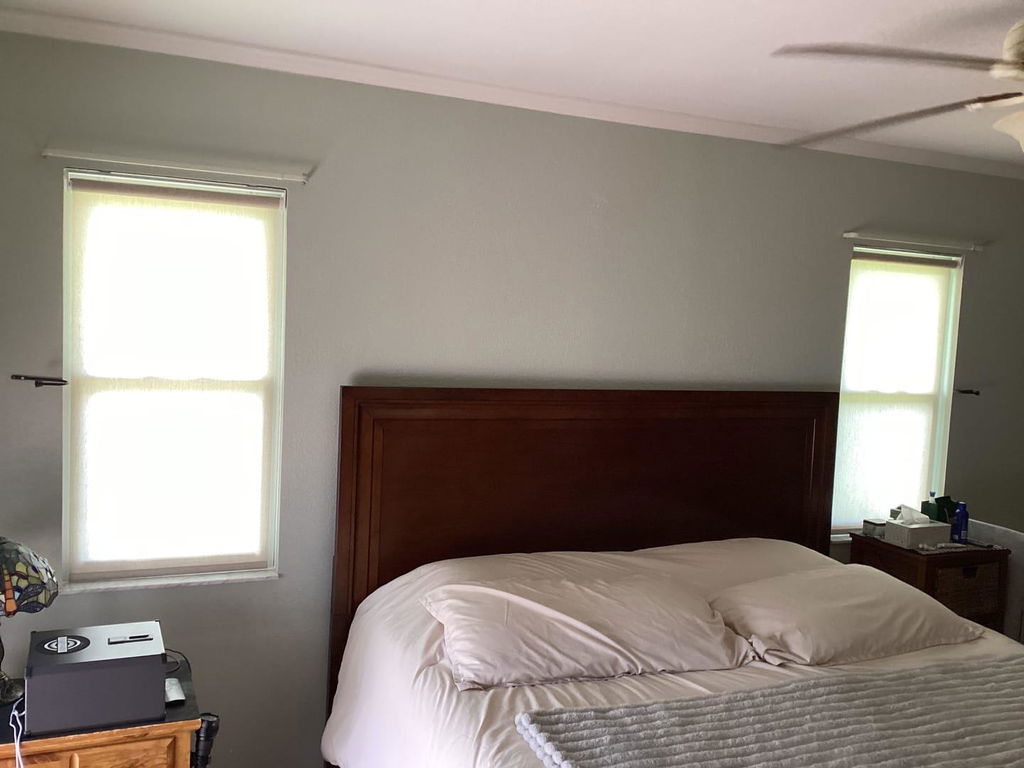
The biggest mistake people make is buying the stark, 'office white' shades that have zero texture. That’s how your cellular blinds look basic and uninspired. Instead, look for 'spun' textures or fabrics that have a slight heathered effect. I always recommend an inside mount if your window depth allows for it. It makes the shade look like it was built into the window frame itself.
To really finish the look, I pair my cellular shades with floor-to-ceiling drapes. I usually go for a 2.5x fullness with a French pleat. The cellular shade sits inside the frame for light control and heat retention, while the drapes soften the edges and add height to the room. I once made the mistake of choosing a blackout cellular shade for a living room, and it was a disaster—it felt like a cave. Stick to light-filtering for common areas so you still get that beautiful, diffused glow even when the blinds are closed.
My Final Verdict on Frost-Proofing Your Space
Winterizing your home shouldn't mean living in a dark box. By choosing a high-quality cordless cellular option, you’re getting the best of both worlds: a house that stays warm and a room that looks curated. My own experience with a 96-inch drop shade that I measured wrong by a half-inch taught me one thing: precision is everything. Take the extra five minutes to measure three times. Once you get that perfect fit, you'll wonder why you spent so many years shivering behind flimsy curtains. Design is about how a room feels, and in Canada, 'feeling good' starts with staying warm.
FAQ
Can I install these myself?
Absolutely. Most cordless systems use a simple bracket system. Just ensure you have a solid wood header or use the correct anchors if you're hitting drywall. It took me about 15 minutes per window once I got the hang of the drill.
Do they really help with energy bills?
Yes. The R-value of a double-cell shade can significantly reduce heat loss through glass. It's one of the few decor choices that actually pays for itself over a few seasons.
Are they hard to clean?
Not really. A quick pass with a vacuum brush attachment every few months keeps the dust out of the cells. For spots, a damp cloth with mild soap usually does the trick—just don't soak the fabric.