I Finally Found an Outdoor Blind Waterproof Enough to Survive Winter
I remember the frantic 4 PM sprint like it was yesterday. The sky turns that ominous shade of bruised purple, the wind picks up, and suddenly I am wrestling wet Sunbrella cushions through a sliding door like a woman possessed. For years, I settled for the 'aesthetic' route—cream canvas drop cloths that looked like a Nancy Meyers movie for exactly three weeks before the first mildew spots appeared. I wanted a porch that felt like a room, but I was living at the mercy of the local weather app.
After three seasons of ruined rugs and damp upholstery, I stopped looking for 'pretty' and started looking for a heavy-duty outdoor blind waterproof enough to actually act as a wall. I needed something that didn't just shade the sun, but redirected a literal downpour. Here is how I finally reclaimed my deck from the elements.
Quick Takeaways
- Water-resistant is a lie for heavy rain; you need PVC-coated materials for true waterproofing.
- Side channels or bungee tie-downs are non-negotiable to prevent your shades from becoming sails.
- Cassette headers protect the fabric roll from grime and ice during the off-season.
- Stainless steel hardware is the only way to avoid ugly rust streaks on your siding.
The Mildew Problem Nobody Warns You About
I spent nearly a thousand dollars on 'weather-resistant' furniture only to watch it turn into a collection of heavy, gray sponges after one humid July. I initially tried hanging thick cotton duck panels, thinking I could just wash them. Big mistake. Within a month, the hems were stained with splash-back dirt, and the fabric stayed damp for days. Unlike standard roller shades that live a pampered life inside your climate-controlled living room, exterior treatments are basically front-line infantry.
The problem with standard outdoor curtains is the gaps. Wind blows the rain right around the edges, soaking everything you were trying to protect. I realized that if I wanted a dry outdoor sofa, I needed a barrier that functioned more like a window and less like a piece of clothing. I needed a material that water would bead off of instantly, rather than eventually soaking through.
What 'Waterproof' Actually Means for Patio Treatments
Here is the honest truth: most 'outdoor' fabrics are just treated with a temporary DWR (Durable Water Repellent) coating. It’s fine for a light mist, but in a thunderstorm, that water is coming right through the weave. When you start shopping for exterior patio roller blinds, you have to look at the 'hydrostatic head' or the coating type. A truly waterproof blinds for patio setup uses a solid or heavily coated substrate that physically blocks H2O from passing through.
I learned the hard way that 'breathable' usually means 'leaky' during a Nor'easter. If your goal is to keep the furniture bone-dry so you can sit outside ten minutes after a storm, you have to sacrifice some of that airflow for a solid barrier. It is the difference between wearing a fleece jacket and a rubber raincoat. Both have their place, but only one keeps you dry when the sky falls.
PVC vs. Coated Fabrics: The Material Breakdown
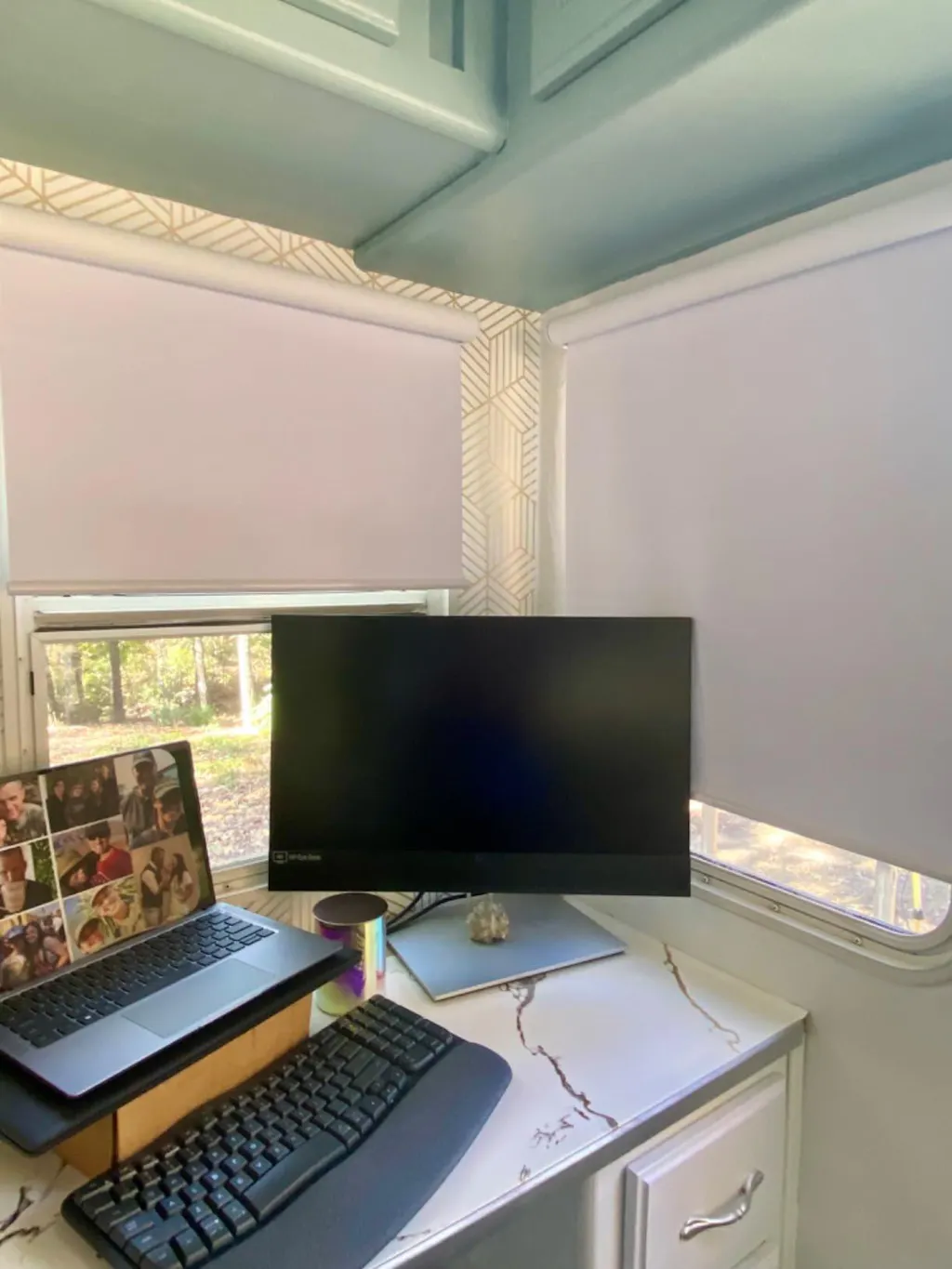
I eventually landed on a 1000-denier PVC-coated polyester. It feels substantial—almost like a heavy-duty boat cover but with a much cleaner, matte finish. If you want a specific outdoor waterproof roller shade, look for 'vinyl-coated' rather than 'solution-dyed acrylic' if water blockage is your number one priority. The vinyl creates a non-porous surface that you can literally spray down with a hose to clean.
How I Mounted My Roll Up Shades to Survive High Winds
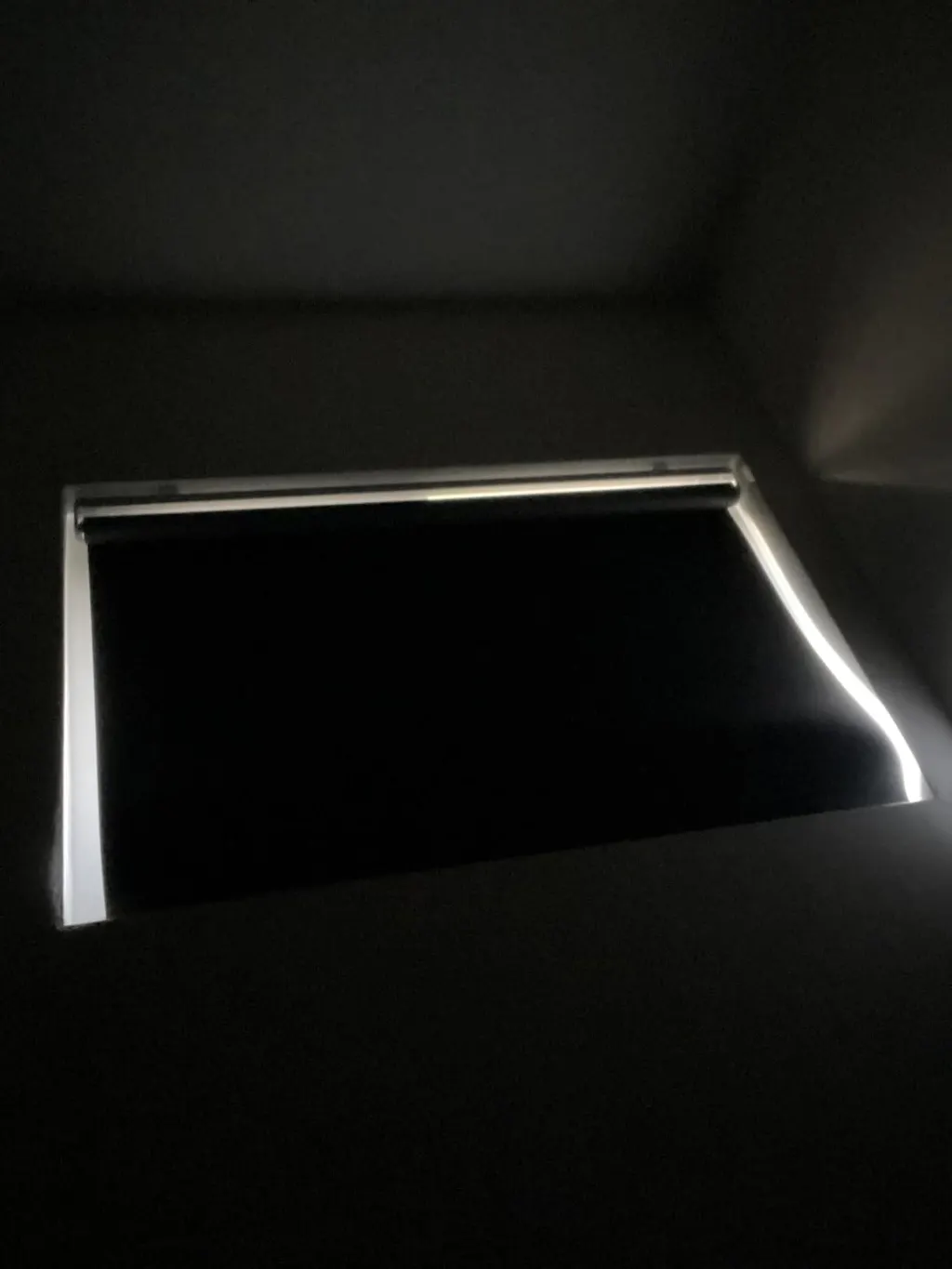
Installing these wasn't just about screws and a drill; it was about physics. A 96-inch wide waterproof roll up shades acts like a giant sail the moment the wind hits 15 mph. I mounted mine using a heavy-duty aluminum cassette at the top to protect the roll from the snow. For the bottom, I skipped the flimsy plastic clips and went straight for 15lb-tension bungee tie-downs anchored into my deck joists.
If you have the budget, side channels are the gold standard. They lock the fabric into a track so the wind can't get behind it. Since I was DIYing this on a budget, I used stainless steel cable guides on the sides. It keeps the shade from flapping against the house and making that rhythmic 'thwack-thwack' sound that drives me crazy at 2 AM.
Do Heavy-Duty Shades Turn Your Patio Into a Humid Greenhouse?
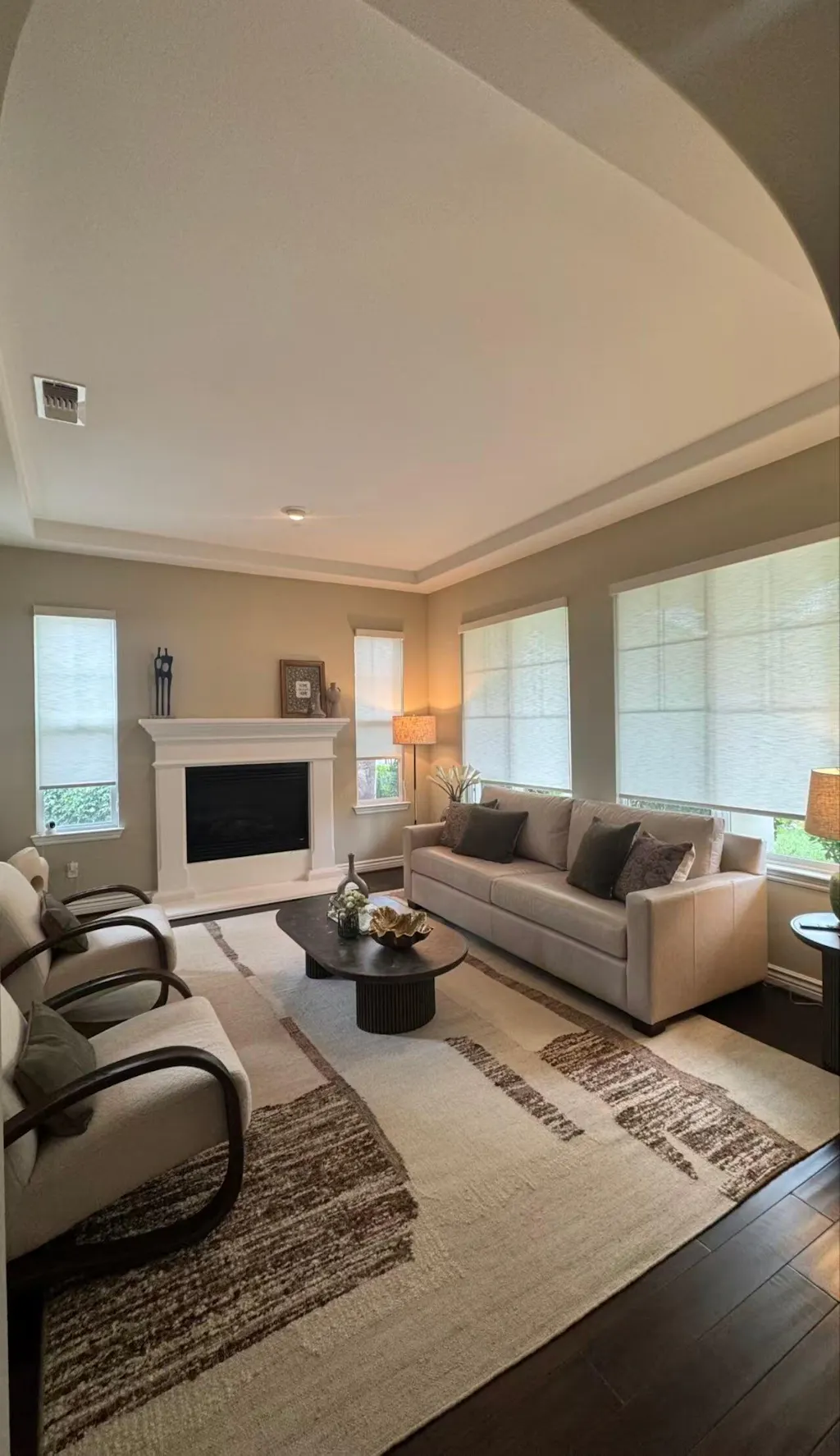
This was my biggest fear. I worried that by blocking the rain, I’d be trapping the heat and creating a swampy mess. On a 95-degree day with zero breeze, yes, a solid waterproof shade can feel a bit stuffy. This is where you have to be strategic. I usually leave a six-inch gap at the bottom to allow for some cross-ventilation, or I pair my solid shades with a semi sheer outdoor roller shade on the side that gets less rain.
The trade-off is worth it, though. That solid barrier also acts as a windbreak. On chilly October evenings, I can roll the shades down, turn on the propane fire pit, and the heat actually stays on the porch instead of blowing away instantly. It turned a three-season space into a nearly year-round room.
The Final Verdict: Was the Upgrade Worth the Hassle?
Looking back, the 'cheaper' solutions I tried first were a total waste of money. Investing in outdoor roller blinds waterproof materials changed how I use my home. I no longer check the radar before I go to bed. My rug stays dry, my pillows don't smell like a damp basement, and I’ve effectively added 200 square feet of living space for a fraction of the cost of a sunroom addition.
If you live somewhere with only light drizzle and high heat, you might prefer outdoor shades 5 openness to keep things breezy. But for me? I’ll take the heavy-duty, rain-blocking shield every time. There is nothing quite like sitting on the porch with a hot coffee while a storm rages three feet away, and not a single drop touches your slippers.
FAQ
Can I clean these with a power washer?
I wouldn't go full blast. A garden hose with a spray nozzle and some mild dish soap is usually enough. For stubborn bird droppings, use a soft-bristle brush. Avoid harsh chemicals that can strip the UV coating.
Will the color fade in direct sun?
High-quality PVC-coated shades are UV-stabilized. I’ve had my charcoal ones up for two years in direct Southern sun, and the color change is imperceptible. Just make sure the specs mention UV resistance specifically.
How do I measure for an outside mount?
Add at least two inches to each side of the opening. This ensures the fabric covers the entire gap so rain doesn't sneak in through the edges. If you have the space, three or four inches of overlap is even better for keeping things dry.