I Faked Wider Windows By Outside Mounting a 27" Roman Shade
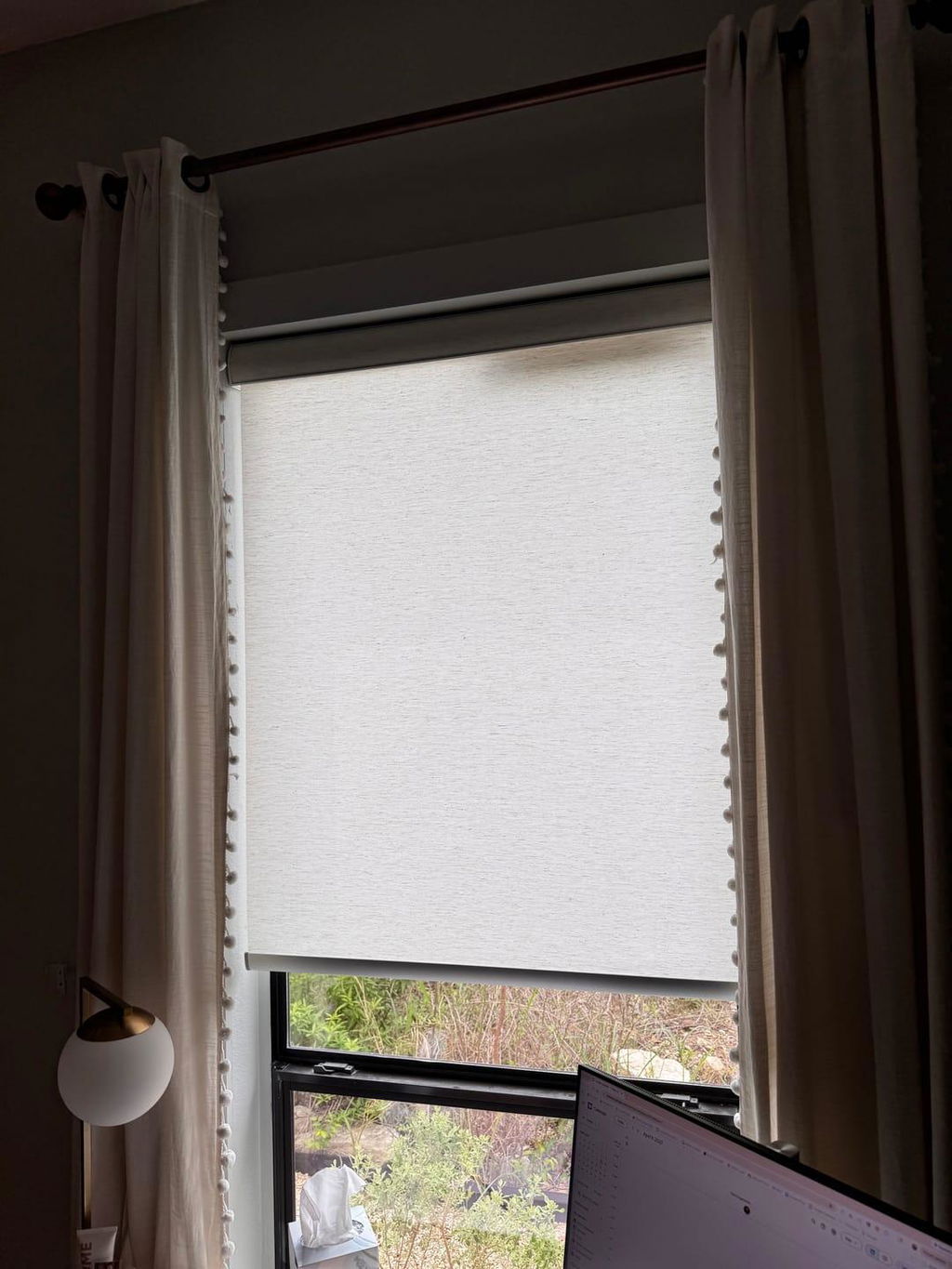
I used to have a guest bedroom with what I called 'arrow-slit windows'—those tall, impossibly narrow frames that make a room feel like a Victorian belfry rather than a cozy sanctuary. I tried floor-to-ceiling drapes first, but the fabric just crowded the glass, making the whole wall look cluttered and the window look even more like an afterthought. It wasn't until I experimented with an outside-mounted 27" roman shade that I finally cracked the code on fixing the room's proportions.
- Outside mounting adds 2-3 inches of 'fake' width to each side of the frame.
- Lighter fabric weights like 180-220 gsm linen prevent the stack from looking bulky.
- Avoid large-scale patterns which get 'cut off' on a narrow 27-inch canvas.
- Mounting the shade 4-6 inches above the window frame preserves maximum natural light.
The Skinny Window Dilemma (And Why Drapes Usually Fail)
When you have a window that is significantly taller than it is wide, standard curtain panels are usually a trap. Unless you have a massive wall to let those panels 'stack back' completely off the glass, you end up covering 30% of your light source just to accommodate the fabric. It makes the room feel pinched.
I’ve found that tailored roman shades are the only real cure for this architectural awkwardness. By using a 27 inch roman shade, you create a singular, clean block of color or texture. This draws the eye upward and outward rather than letting it get stuck on the spindly vertical lines of a narrow casing. It’s about creating a sense of intentionality where the original builder clearly lacked it.
The Optical Illusion: Inside vs. Outside Mount on Narrow Frames
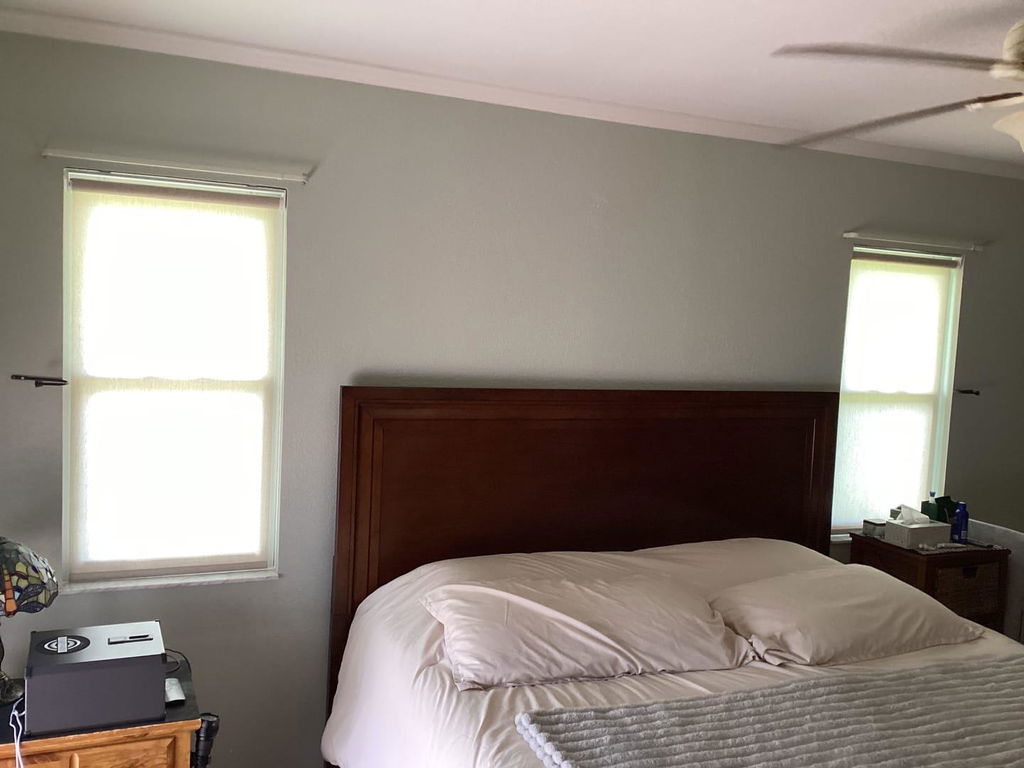
If you inside-mount a shade on a narrow window, you are essentially highlighting exactly how small that window is. You're framing the frame. To fix the proportions, you have to go outside. By ordering a roman shade 27 inches wide for a window that might only be 23 inches across, you overlap the trim and trick the brain into thinking the glass extends further than it does.
I usually suggest overlapping the casing by at least two inches on each side. When the shade is down, the window looks substantial. When it’s up, the fabric sits mostly on the wall above the window, which keeps the room bright. If you are struggling with weird layouts, exploring all your shade solutions usually leads back to this 'overlap' rule for narrow spaces. It’s the easiest way to add 'visual weight' without a construction crew.
The Vertical Challenge of 27 x 72 Roman Shades
Tall, narrow windows often come with a 72-inch drop. A 27 x 72 roman shades setup presents a specific physics problem: the stack. When you pull that much fabric up, it has to go somewhere. If you don't mount the headrail high enough, that accordion fold will eat up the top 10-12 inches of your window, leaving you in a permanent state of gloom.
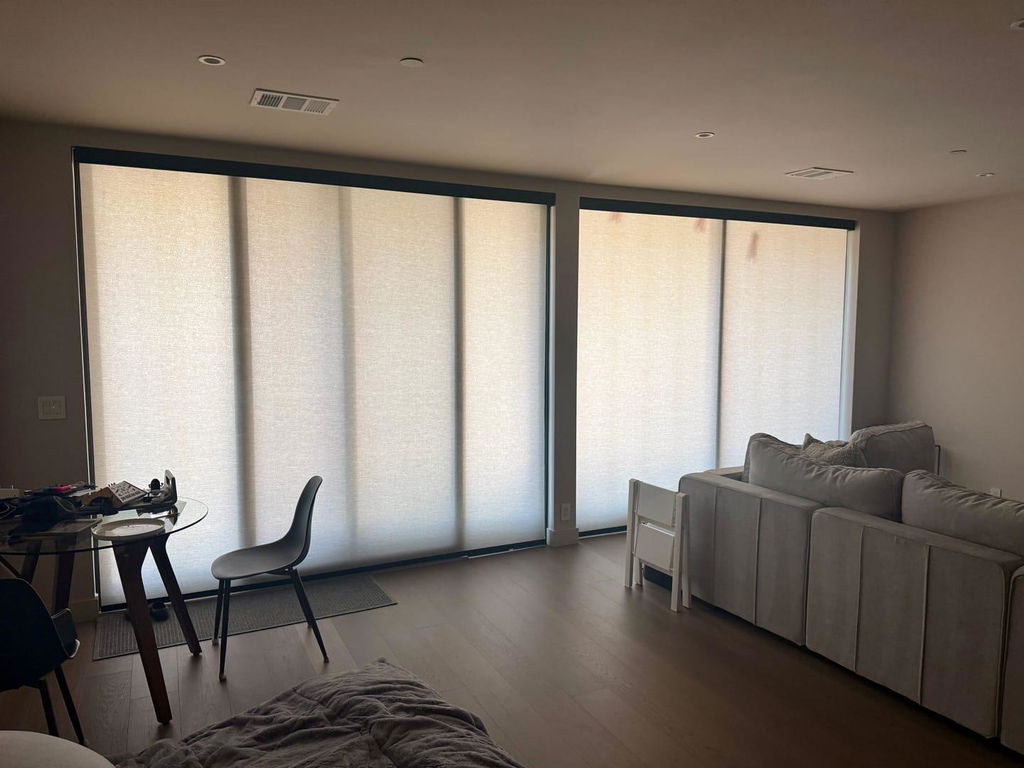
Contrast this with a massive 72 inch wide roman shade, where the struggle is all about horizontal bowing and weight distribution. With a narrow, tall shade, your focus is purely on the vertical clearance. I always mount my 72-inch drops at least 6 inches above the top of the window trim. This ensures that when the shade is 'open,' the bottom fold just barely kisses the top of the glass, giving you the look of a valance without losing a drop of sun.
Fabric Weights That Actually Fold Well in a Narrow Width
Not all fabrics are meant for a 27-inch span. I once made the mistake of ordering a heavy, 400 gsm velvet for a narrow window, and it was a disaster. The fabric was so stiff that the folds wouldn't 'smile' or drape; they just poked out like rigid shelves. It looked like a series of boxes stacked on my wall.
For a narrow roman shade 27 inches across, you want something with a bit of 'give.' A mid-weight linen or a soft cotton-poly blend is the sweet spot. You want the fabric to have enough body to hold the horizontal fold but enough softness to collapse gracefully. If you go too heavy, the cord system will struggle with the density on such a narrow track, and you'll find yourself constantly 'dressing' the folds by hand every time you raise the shade.
Why I Never Put Large Prints on Skimpy Shades
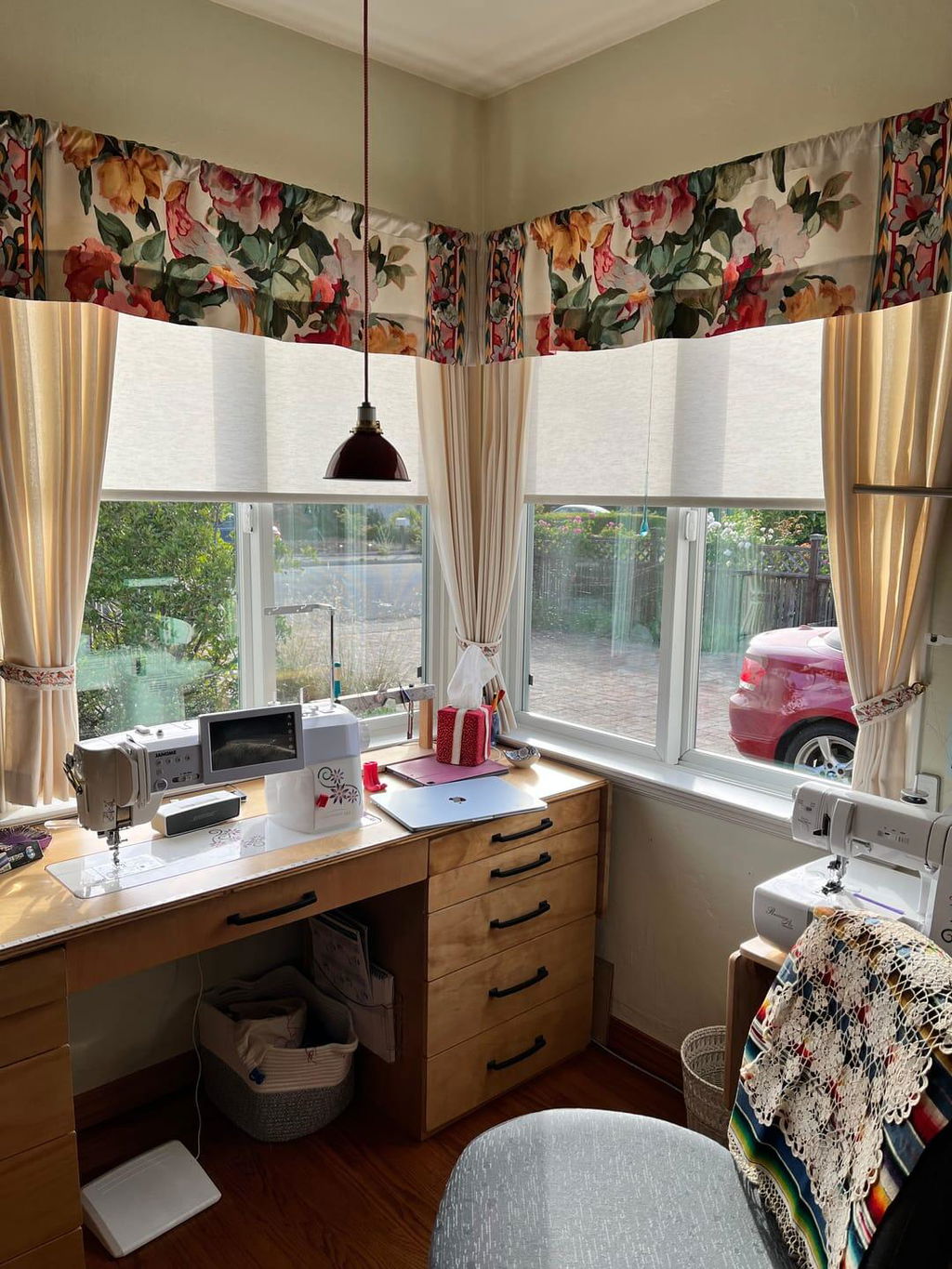
Scale is everything. If you put a large-scale botanical print on a 27-inch shade, you might only see half of a leaf or one-third of a flower across the width. It looks like a remnant from a larger project rather than a custom choice. It feels fragmented and busy.
I prefer to look at custom workroom and online brands that offer high-quality solids, pinstripes, or micro-textures. A subtle herringbone or a slubby oatmeal linen reads as much more expensive on a narrow window. If you absolutely must have a pattern, stick to small-scale geometrics or a classic ticking stripe. It keeps the focus on the clean lines of the shade rather than the 'chopped up' nature of a large print.
How much wider should the shade be than the window?
For an outside mount, aim for 2 inches of overlap on each side. If your window is 23 inches wide, a 27-inch shade is perfect. This covers the trim completely and blocks light leakage from the sides.
Can I use a 72-inch drop on a shorter window?
You can, but you'll have a very thick stack of fabric at the top when the shade is raised. It's better to order a length closer to your actual window height plus 6 inches for the mounting 'lift.'
Do narrow roman shades need a cordless lift?
On a 27-inch width, cordless mechanisms work beautifully because the shade isn't heavy enough to strain the internal springs. It's a much cleaner look than having a cord dangling in the middle of a narrow strip of wall.