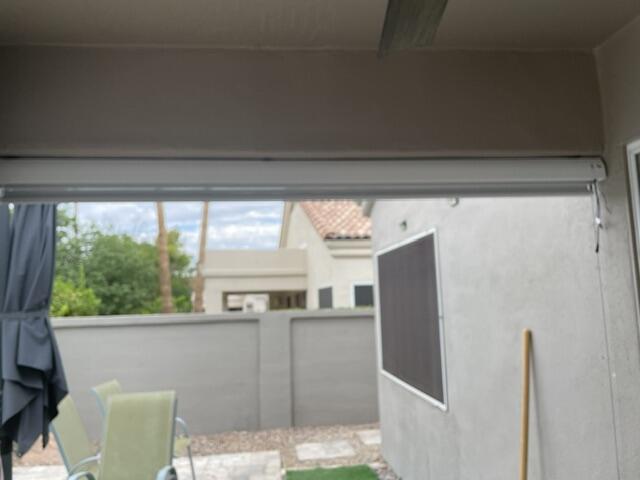
I Added Blinds for Outdoor Spaces and Gained a 3-Season Room
I spent three months picking out the perfect teak sectional and a rug that felt like actual wool but could handle a heavy rain. Then July hit. By 4 PM, my beautiful west-facing patio was basically a solar oven. I would sit out there for exactly five minutes before the glare off my phone screen and the 95-degree heat sent me scurrying back to the AC. That is when I realized that blinds for outdoor spaces aren't just an extra — they are the difference between a usable room and a concrete slab you only look at through the window.
- 5% Openness is King: It blocks the heat but keeps the view of your garden crisp.
- Bungees are Non-Negotiable: Unless you want your shades acting like sails in a storm, tie-downs are a must.
- Go Darker for Clarity: Counterintuitively, darker fabrics are easier to see through than light ones.
- Mount High: Install your brackets at least 3-4 inches above the opening to maximize your clearance.
The 4 PM Sun Problem (Why My Patio Was Dead Space)
For two years, I treated my patio like a museum piece. I looked at it, I cleaned it, but I never actually lived in it during the hours that mattered. The golden hour is great for photos, but it’s brutal for dinner parties when the sun is positioned exactly at eye level. I initially tried the romantic, billowy curtain look because I wanted that coastal resort vibe. It was a disaster.
One afternoon, a light breeze turned my outdoor drapes into a tangled mess of white polyester and spilled wine. It was embarrassing. That is Why I Ditched Flimsy Outdoor Drapes For Pull Down Patio Shades. I needed something with structure, something that stayed put when the wind picked up, and something that actually lowered the temperature by more than a few degrees.
Decoding the Openness Factor (Don't Block Your Breeze)
When you start shopping for outdoor blinds shades, you will see a lot of talk about openness percentages. This isn't just technical jargon; it’s the difference between feeling like you’re in a breezy cabana or a dark cave. Most exterior fabrics are made from high-density polyethylene (HDPE) or PVC-coated polyester. A 1% openness factor is basically a wall—great for privacy, terrible for airflow.
I landed on a Outdoor Shades 5 Openness fabric. It’s the sweet spot. It filters the harsh glare and blocks enough UV rays to stop my navy blue outdoor cushions from fading into a sad, dusty purple, but it still lets the evening air circulate. If you go higher, like 10%, you might as well not have shades at all when the sun is low.
Finding the Sweet Spot for Patio Blinds Shades
I learned the hard way that color choice affects your view more than the weave does. I originally thought white shades would feel 'airy.' Wrong. White reflects light back at your eyes, making it hard to see the yard. I swapped them for a charcoal weave, and suddenly, the backyard popped. It acts like a pair of high-end sunglasses for your porch.
Will They Flap in the Wind? (Mounting Matters)
The biggest hesitation people have with patio blinds shades is the noise. Nobody wants to hear a metal hem bar clanging against a wooden post for four hours. When I installed mine, I made sure to use a bungee tie-down system. You simply screw a small nylon 'mushroom' hook into your deck or post, and the shade stays under tension even when it’s fully extended.
If you live in a place where the wind really howls, you might wonder Are Vertical Outdoor Sun Shades Worth It For A Windy Patio? In my experience, yes, provided you aren't leaving them down during a literal gale. I chose a crank-operated system rather than a corded one. It’s slower, but it feels infinitely more substantial and doesn't have messy strings for the dog to chew on.
Making Outdoor Shades Porch-Ready (The Aesthetics)
I didn't want my house to look like a commercial warehouse. To avoid that industrial vibe, look for fabrics with a visible grain. A variegated weave that mixes two different thread colors—like a sand and a cocoa—gives the material depth. Choosing a high-quality Outdoor Shades Texture ensures the treatment looks like an architectural choice rather than a temporary fix.
I mounted my shades on the outside of the trim to cover the entire opening. This creates a much cleaner line from the street. Pro tip: match your hardware finish to your existing light fixtures. I went with an oil-rubbed bronze headrail to match my sconces, and it made the whole installation look custom-built for the house.
How I Layered My Outdoor Shades with Patio Furniture
Once the shades were up, the patio footprint felt different. It became an actual room. I moved my dining table closer to the edge of the porch because I no longer had to worry about the sun hitting the back of my guests' necks. I even added a small lamp and some indoor-style accessories because the Outdoor Shades protect everything from the elements so much better than an open porch ever could.
My one regret? Waiting three summers to do it. I lost years of sunset cocktails because I was afraid of a little DIY installation. Don't make that mistake. Measure your openings, pick a textured weave, and reclaim your space.
FAQ
Do outdoor blinds block rain?
They aren't umbrellas. While they will deflect a light mist and keep your furniture from getting soaked in a sideways drizzle, they are designed for sun and wind. If a heavy storm is coming, roll them up to protect the mechanism.
Can I see through them at night?
It depends on the light. If you have the lights on inside your porch and it is pitch black outside, people will be able to see silhouettes. During the day, however, you have total privacy from the neighbors.
How do I clean them?
Skip the dry cleaners. A garden hose and a soft brush with some mild dish soap are all you need. I do mine once every spring to get the pollen off, and they look brand new.