How to Keep Modern Window Roller Blinds From Looking Corporate
I remember moving into my first 'grown-up' apartment—a converted industrial loft with massive windows and zero privacy. In a rush to stop the neighbors from seeing me eat cereal in my pajamas, I ran to a big-box store and grabbed the cheapest, starkest white vinyl modern window roller blinds I could find. By 6 PM that evening, my living room didn't feel like a sanctuary; it felt like a mid-sized accounting firm's breakroom. It was cold, clinical, and physically painful to look at when the fluorescent overheads were on.
The problem wasn't the functionality—the light was blocked and the privacy was there—but the soul of the room had vanished. Modern window treatments often walk a razor-thin line between 'minimalist chic' and 'commercial sterile.' If you don't choose your textures and installation methods with intention, you'll end up with a house that feels like it belongs in a suburban office park rather than a neighborhood.
Quick Takeaways for Warm Minimalism
- Avoid 100% PVC or high-gloss vinyl; they reflect light in a way that feels cheap and industrial.
- Always opt for a fabric-wrapped cassette or a metal fascia to hide the 'naked' roller tube.
- Layer your rollers with soft linen drapes to break up the hard lines of the window frame.
- Look for 'slub' textures or heathered weaves that mimic natural fibers like flax or cotton.
- Mount the shades inside the frame for a custom, built-in look, but only if your window depth allows for at least two inches of clearance.
Why Your Sleek Shades Accidentally Look Like a Boardroom
The primary reason most modern window roller blinds fail the vibe check is a lack of architectural framing. In a traditional home, you have crown molding, chunky baseboards, and windows with deep wooden casings. Modern builds often strip these away, leaving a flat drywall opening. When you drop a flat, plastic-looking sheet over that opening, you are essentially removing the only remaining texture in the room. It’s a recipe for a space that feels temporary and uninspired.
Homeowners often gravitate toward contemporary roller shades because they want that clean, 'nothing there' look. But 'nothing there' shouldn't mean 'nothing interesting.' The corporate look comes from materials designed for durability over aesthetics—think heavy-duty plastics that can be hosed down. In a residential setting, you need the shade to absorb light, not bounce it harshly off a shiny surface. If you are starting from scratch, I always suggest browsing a curated roller shades collection that prioritizes textile quality over industrial utility.
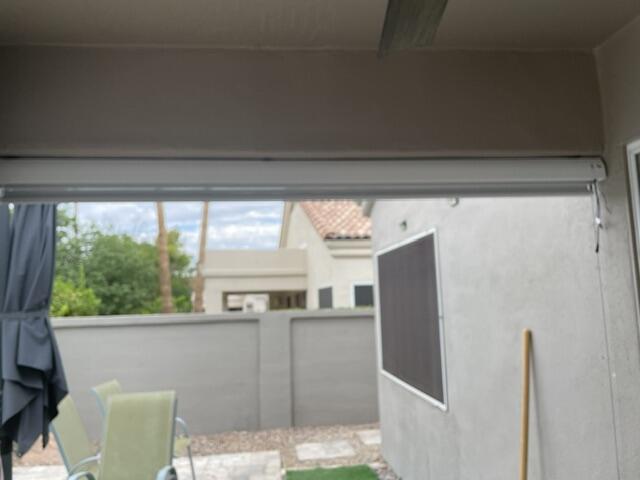
Another culprit is the 'floating' effect. When a roller shade is mounted without a fascia or a valance, you see the metal tube, the brackets, and the plastic chain. In an office, no one cares about the mechanicals. At home, those exposed guts scream 'unfinished basement.' By choosing a shade that integrates the hardware into the design, you signal that the window treatment was an intentional choice, not a last-minute hardware store run to hide from the sun.
The Fabric Swap That Instantly Warms Up the Room
If you want modern roller blinds for windows to feel high-end, you have to talk about GSM (grams per square meter) and weave. Most commercial shades are a flat, 100% polyester or vinyl. They are perfectly smooth. To make a room feel lived-in, you need imperfection. I look for fabrics that have a 'slub'—those little intentional bumps and irregularities you find in real linen. A heathered weave, where two or three different thread colors are spun together, creates a visual depth that a flat gray or white simply can't match.
Think about a 300 GSM linen-blend fabric. It has weight. When it unrolls, it hangs with a certain gravity that thin polyester lacks. Even if you are going for a blackout option, look for 'fabric-faced' blackout shades. These have a soft, woven textile on the front and the light-blocking technology hidden on the back. This ensures that when the sun hits the shade, you see the beautiful cross-hatch of the threads rather than a flat, rubberized surface.
Color choice is also vital. Stark, 'printer paper' white is the fastest way to achieve the corporate look. Instead, look for 'oatmeal,' 'bisque,' or 'soft sand.' These tones have a hint of yellow or red in the base, which warms up the light as it filters through. Even a 'cool' modern room benefits from a warm-toned white; it prevents the shadows in the room from looking muddy or blue. When you touch the fabric, it should feel like a heavy tablecloth, not a shower curtain.
The Case for the Layered Look (Drapes + Rollers = Magic)
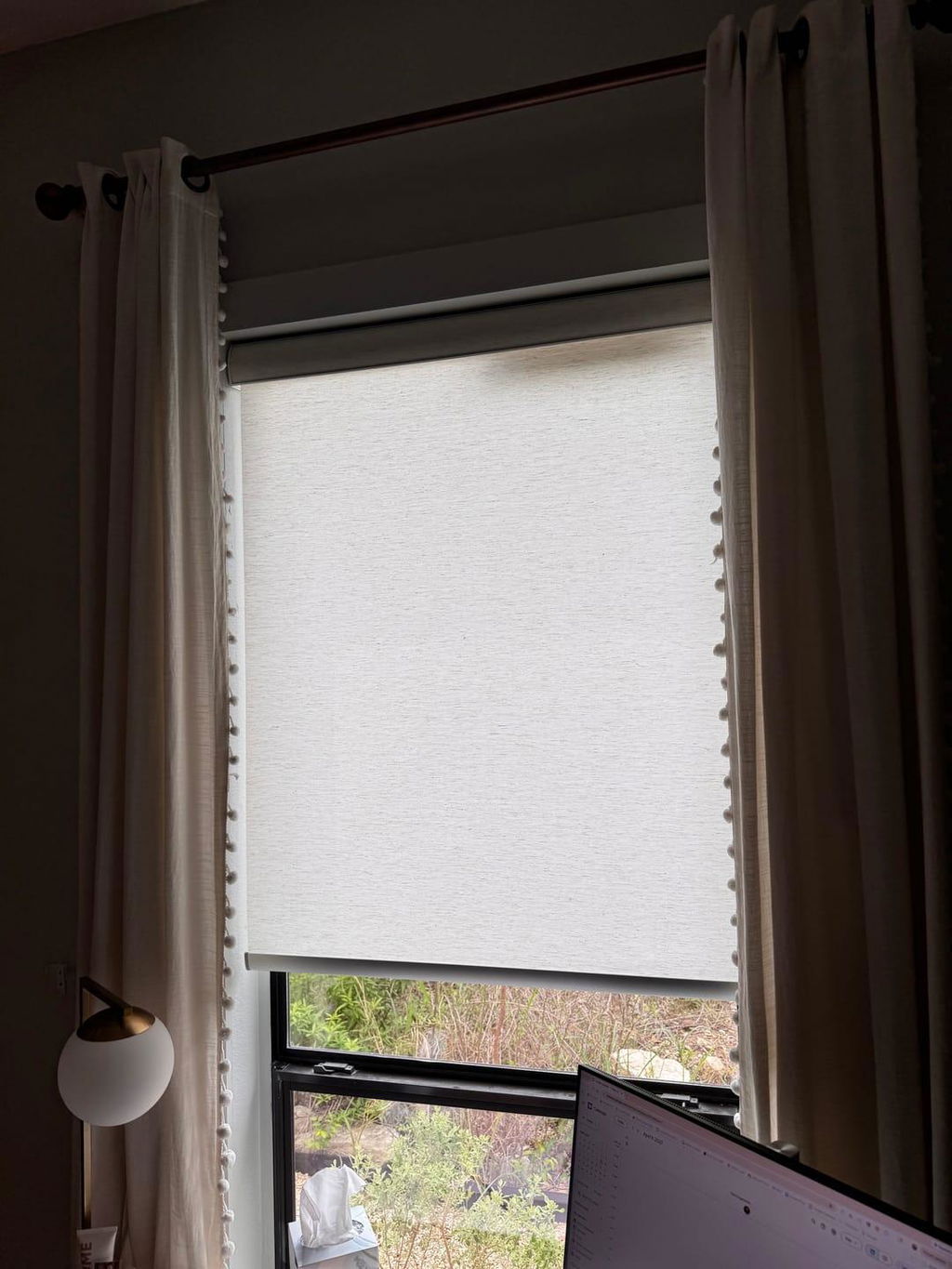
This is my absolute favorite interior design trick, and I will shout it from the rooftops until every window in the country is properly dressed. If you love the functionality of modern window roller shades but hate the 'flat' look, you must layer them with drapes. The roller shade sits inside the window frame, handling the heavy lifting of light control and privacy. The drapes sit outside the frame, purely to provide softness, height, and color.
By adding a pair of linen panels—aim for 2.5x fullness so they look lush and not skimpy—you hide the hard right angles of the window's 'box.' I usually mount the curtain rod about 4 to 6 inches above the window frame and let the fabric 'kiss' the floor. This draws the eye upward, making your ceilings feel ten feet tall even if they’re barely eight. The contrast between the crisp, vertical line of the roller shade and the soft, organic folds of the drapery is where the design magic happens. It feels sophisticated, intentional, and expensive.
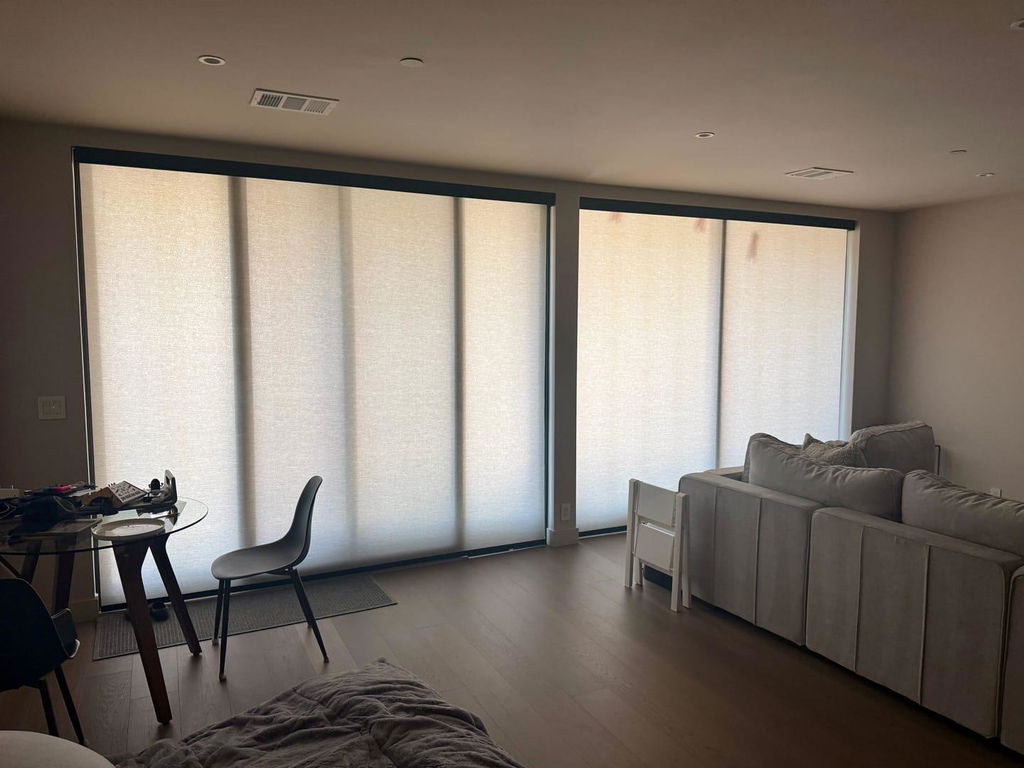
If you have a partner who absolutely hates the look of curtains (we’ve all been there), or if the window is in a tight corner where drapes won't fit, consider a motorized dual roller setup. This gives you two layers of fabric on one bracket—usually a sheer 'solar' shade for the day and a heavy fabric-textured blackout for the night. It provides that much-needed depth and dimension without the footprint of a traditional curtain rod. It’s the ultimate compromise for the minimalist who still wants a cozy home.
Wait, Should You Actually Get a Scalloped Hem?
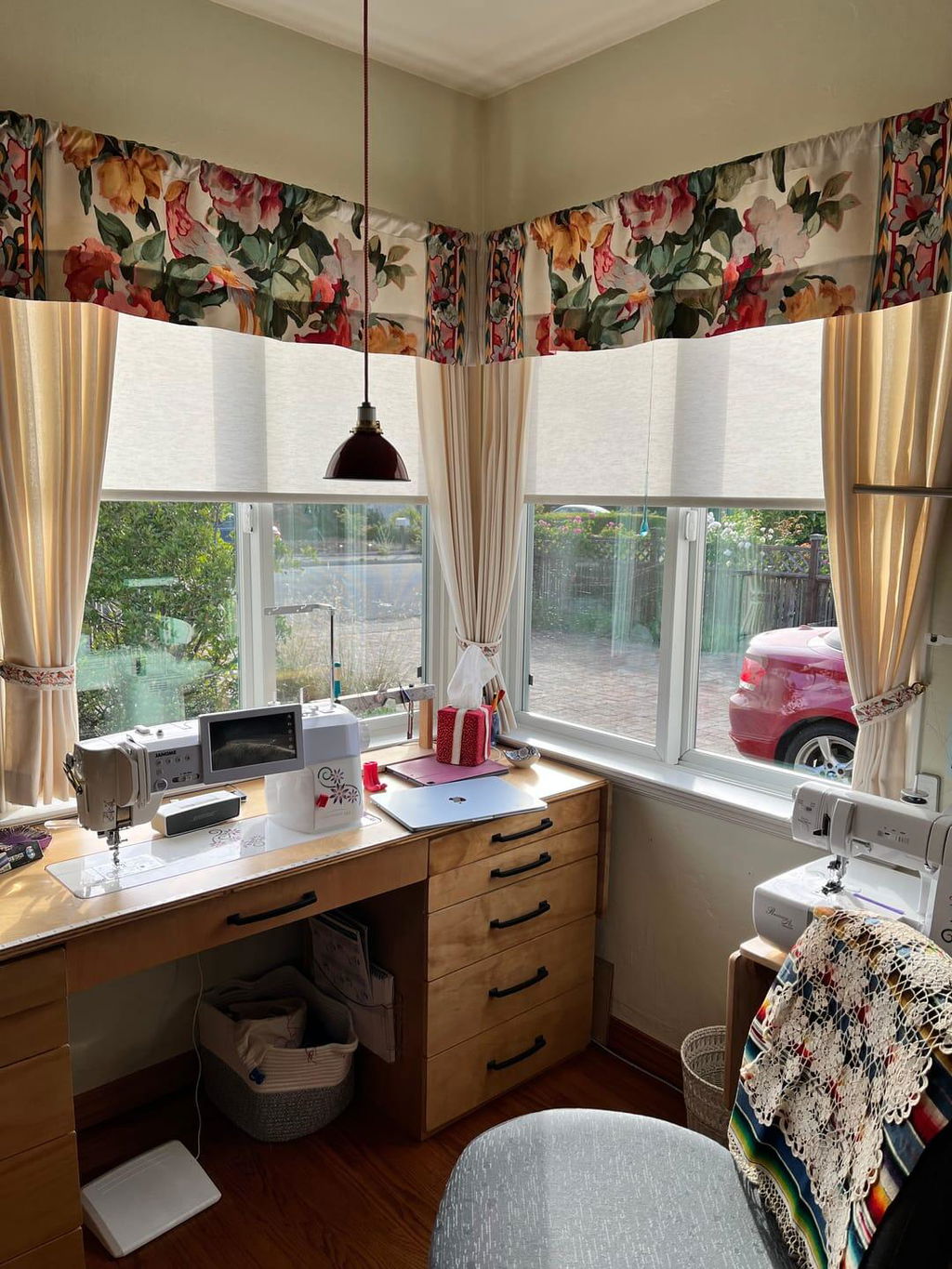
We need to address the elephant in the room: the 'old lady' stigma of the scalloped hem. For years, anything other than a straight edge was considered dated. But design is cyclical, and we are seeing a massive return to 'transitional' details. Introducing a subtle structural detail at the bottom of modern roller shades can bridge the gap between a sterile modern box and a home with character. It adds a tailored, dressy feel that breaks up the monotony of all those straight lines.
I’m not talking about dusty lace or Victorian fringe. I’m talking about a clean, laser-cut wave or a gentle curve that echoes the other shapes in your room—maybe the curve of a velvet armchair or a round coffee table. It softens the transition between the window and the wall. If you’re worried about it looking too vintage, keep the fabric very modern—like a dark charcoal or a crisp navy—to balance the traditional shape. You can read more about the debate on scalloped hem finishes to see if your architecture can handle the flair.
Another way to avoid the 'straight-line fatigue' without a scallop is a fabric-wrapped bottom bar. Most cheap rollers have a visible plastic or aluminum bar at the bottom. It clanks against the window sill every time a breeze hits it. A fabric-wrapped bar is silent, heavy, and disappears into the shade itself. It’s a small detail, but it’s the difference between a product that feels like it was bought in a box and one that was custom-made for your life.
Hiding the Hardware So Your Shades Look Custom
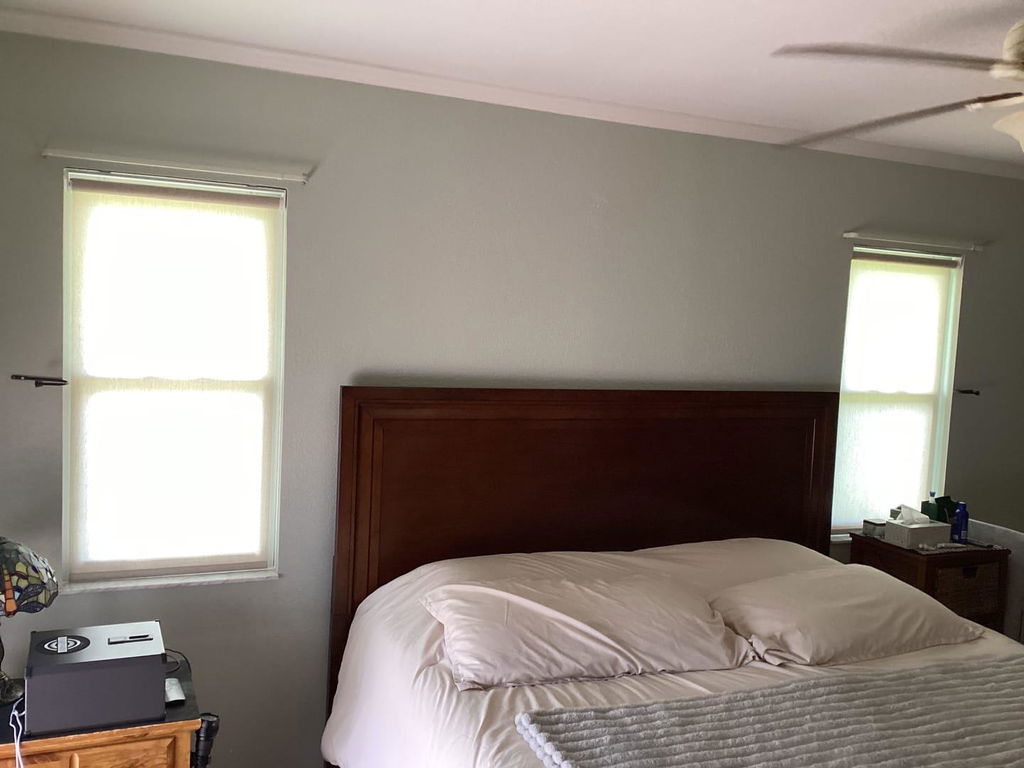
The final boss of the corporate window look is the exposed roll. Unless you are living in a literal 1920s factory with exposed brick and pipes, you should not see the tube of your modern roller shades. It looks industrial in a way that feels unintentional. To fix this, you need a top treatment. A metal fascia is the most popular modern choice—it’s a sleek L-shaped cover that snaps over the front of the roller. If you match the fascia color to your window trim (black on black or white on white), the shade virtually disappears when it’s rolled up.
For a softer look, I prefer a fabric-wrapped cassette. This is a rounded or square housing covered in the exact same material as the shade itself. It creates a seamless look from top to bottom. If you are doing a full renovation, you can even have your contractor build a 'pocket' into the ceiling so the shades drop down out of nowhere. It’s the peak of luxury. For those handling multiple light needs, day night shades often come with specifically designed housings that cleanly hide two different rolls of fabric without looking bulky or clunky at the top of your frame.
Installation height also matters. If you mount the shade inside the frame, make sure it’s flush. If it sticks out even half an inch, it looks like an afterthought. If your window frames aren't deep enough for an inside mount, go 'outside' and mount the shade several inches above the trim. This hides the entire window structure and makes the glass look much larger than it actually is. It’s a trick I used in my last rental to hide some truly hideous 1980s aluminum frames, and it worked like a charm.
My Honest Mistake: The 'Cool Gray' Disaster
I once spent nearly a thousand dollars on custom 'Cool Slate' rollers for a client’s bedroom. On the swatch, it looked like a sophisticated, moody gray. Once installed on a north-facing window, the light filtered through and turned the entire room a sickly, hospital-gown blue. It was horrifying. I learned the hard way that you must hold your fabric samples up to the actual window at 10 AM and 4 PM. We ended up having to install 96-inch velvet drapes in a warm mushroom tone just to neutralize the blue light. Now, I always lean toward warmer neutrals for rollers—they are much more forgiving when the sun actually hits them.
FAQ
Are roller blinds out of style?
Not at all. They have actually replaced heavy wood blinds as the go-to for modern designers. The key is the fabric choice—move away from vinyl and toward woven textiles to keep them current.
How do I clean fabric roller shades?
Most high-quality woven shades can be lightly vacuumed with a brush attachment. For spots, a damp cloth with very mild soap usually does the trick. Just avoid saturating them, as you don't want to lose the structural stiffness of the fabric.
Can I install these myself?
Absolutely. Most modern brackets only require two screws. The hardest part is the measuring. Always measure the width at the top, middle, and bottom of the frame, and use the smallest measurement for an inside mount.