How Mounting Roman Shades Above Window Frames Fixed My Low Ceilings
I remember staring at the eight-foot ceilings in my first 'grown-up' apartment and feeling like the walls were closing in. I had these beautiful windows, but they were squat, sitting far too low on the wall. I tried every trick in the book—mirrors, vertical stripes, low-profile furniture—but the room still felt like a shoebox until I experimented with mounting roman shades above window frames. The shift was immediate. Suddenly, the room breathed.
Quick Takeaways
- Mounting high creates a long vertical line that draws the eye upward toward the ceiling.
- It prevents the 'stack' of folded fabric from blocking your natural light and view.
- Always use heavy-duty metal drywall anchors; the weight of a custom headrail will rip through cheap plastic.
- Aim for the halfway point between the trim and the ceiling for the most balanced look.
Why I Finally Stopped Hanging Shades Inside the Frame
Inside mounts are the 'safe' choice, the default we see in every rental and new build. I used to think Roman shades had to sit tucked neatly inside the casing to look custom. I was wrong. If your windows are small or your ceilings are low, an inside mount just highlights the lack of scale. It frames the window exactly as it is, which is fine if you have ten-foot ceilings and massive Victorian glass, but it's a disaster for a standard 8-foot drywall box.
When I was deciding which type of window shades looks best for my cramped home office, I realized that the inside mount was actually making the window look like a tiny porthole. By asking myself 'can roman shades be outside mounted?' I opened up a world of proportion-shifting possibilities. Moving the shade outside the frame allows the fabric to become an architectural feature rather than just a functional cover.
The Optical Illusion: Faking Taller Ceilings
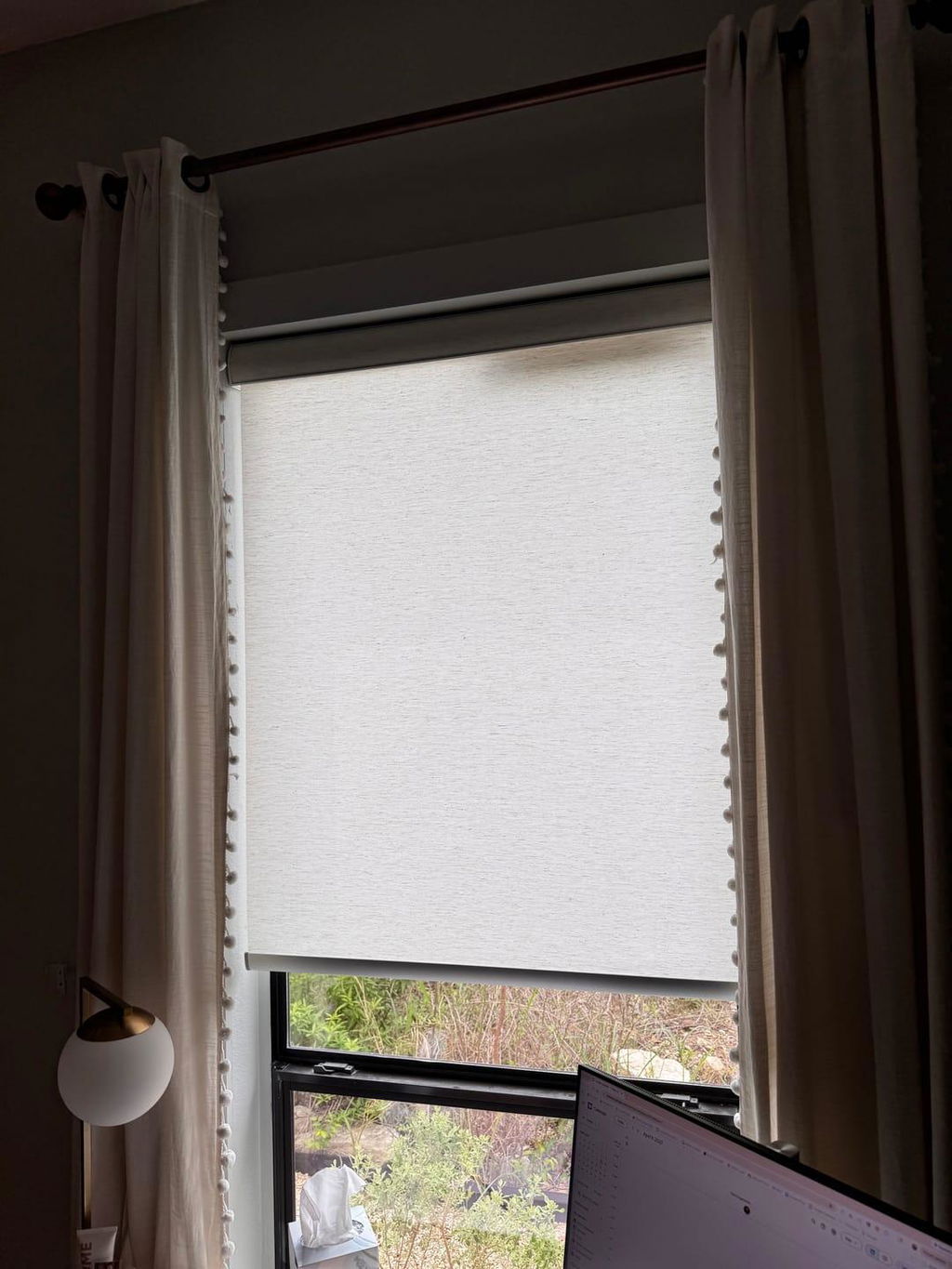
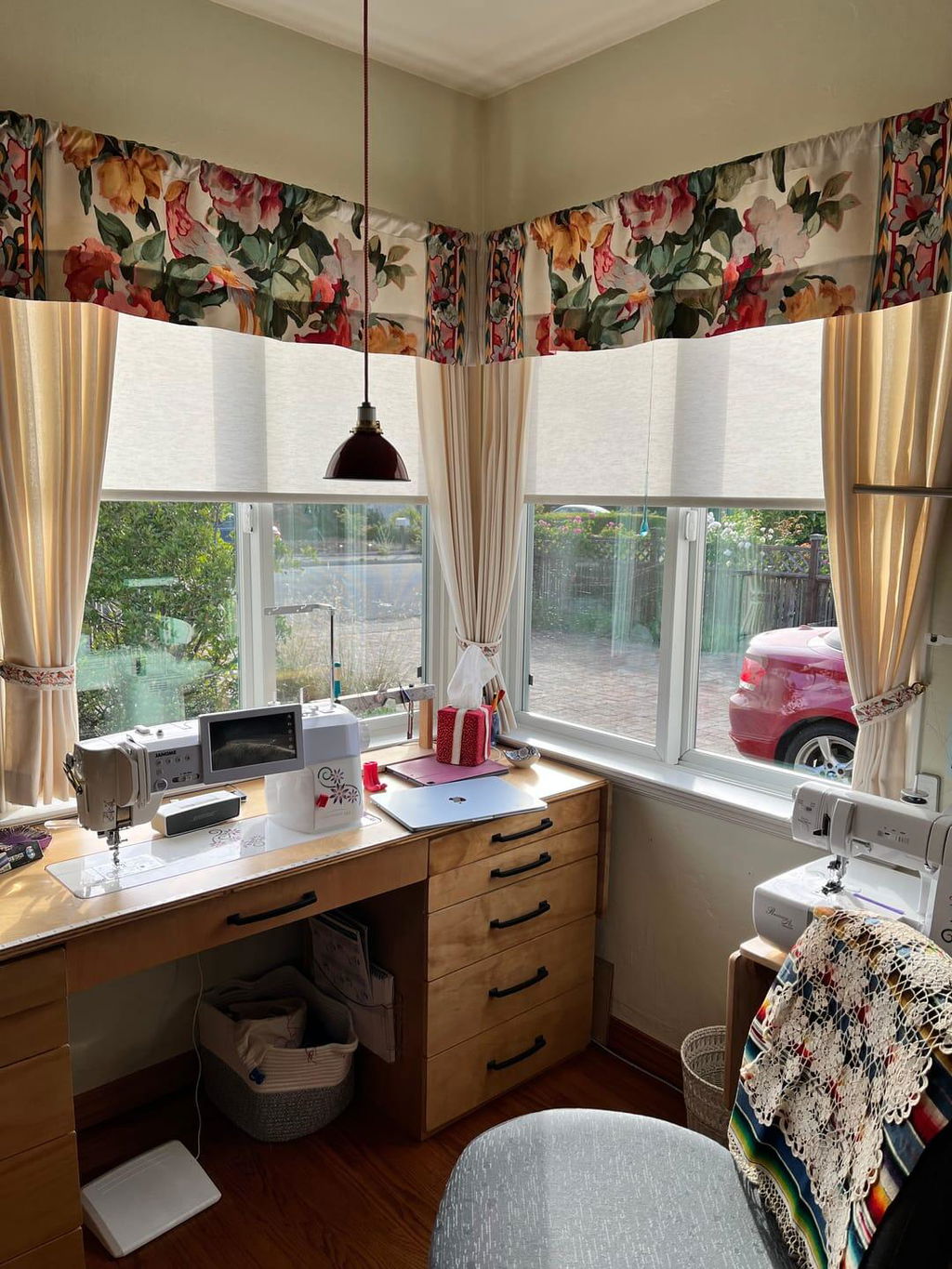
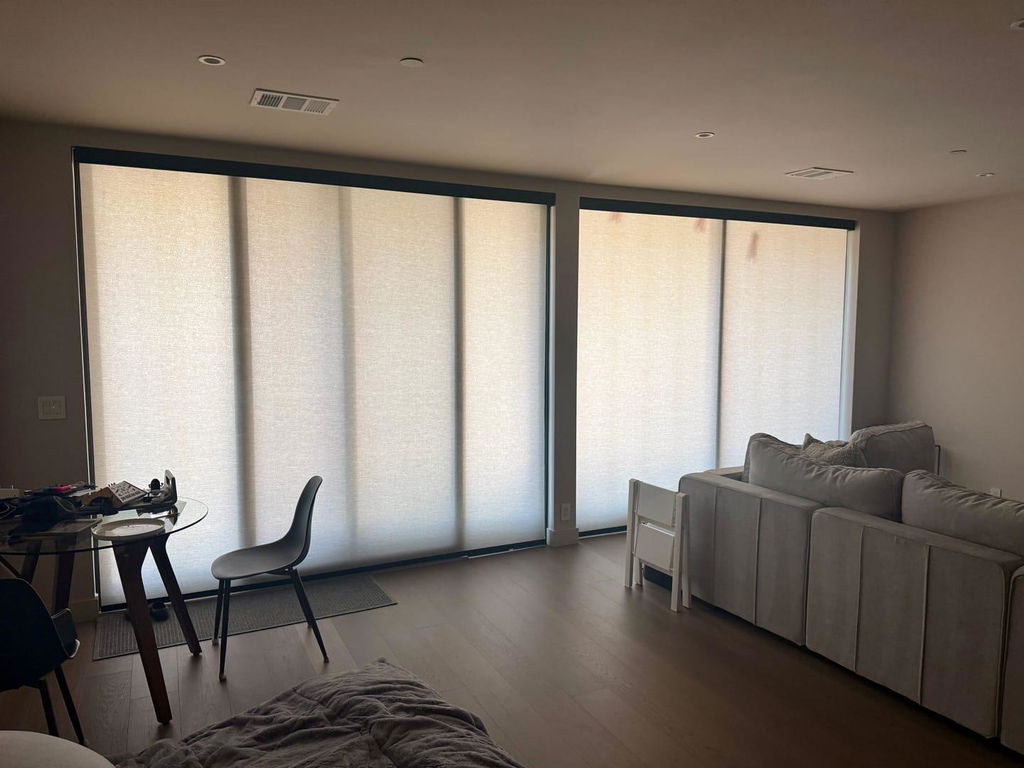
It is basic visual psychology. When you have a roman shade mounted outside window trim, you are essentially redefining where the window starts. By placing the headrail higher, you trick the brain into thinking the glass extends upward behind the fabric. It is the same reason we hang curtain rods nearly at the ceiling—it creates a long, unbroken vertical line that suggests the room has more height than the blueprint says.
Think of it like a well-tailored suit. If the proportions are off, the whole look falls apart. A high-mounted shade acts like a high-waisted pant; it elongates the 'legs' of your room. When the sun hits a heavy 300 gsm linen shade mounted five inches above the trim, the glow fills the upper portion of the wall, making the entire space feel airy and intentional.
Exactly How High Should You Actually Go?
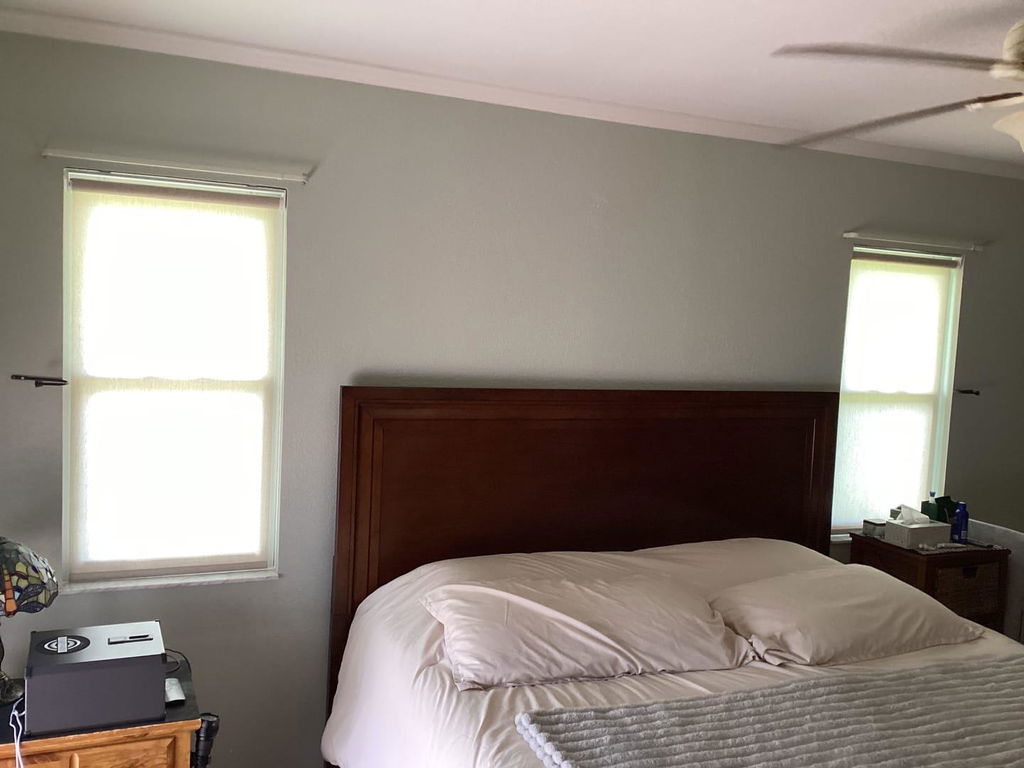
The most common question I get is: can you hang roman shades above window trim by just an inch or two? You can, but it usually looks like a mistake—like you measured wrong and tried to hide it. To make the 'high mount' look like a design choice, you need to be bold. I usually aim for the halfway point between the top of the window trim and the ceiling or crown molding.
If you have a massive gap, six to ten inches is the sweet spot. If you go too high—literally touching the ceiling while the window is three feet below—you risk creating a 'floating' look that feels disconnected. You want the bottom of the shade to still slightly overlap the top of the window trim even when fully raised. This maintains the illusion that the window and the shade are one continuous unit.
Don't Forget the Fabric Stack
Let's talk about the 'stack.' A quality Roman shade made of thick fabric doesn't just disappear when you pull it up. It folds into a 6-to-8-inch block of fabric at the top. If you inside-mount that, you have just lost a quarter of your glass and a significant chunk of your afternoon sun. By hanging roman shades above window frames, that stack sits on the wall, not the glass. You get all your light and a beautiful, valance-like look that stays clean and structured.
The Not-So-Fun Part: Anchors, Brackets, and Drywall
This is where the DIY magic meets reality. Since you aren't drilling into the window's wooden header, you are hitting drywall. I have learned the hard way that the weight of a 60-inch wide cordless Roman shade is substantial. I once had a heavy velvet shade literally pull a chunk of plaster out of the wall because I used those flimsy plastic anchors that come in the box. Don't do that.
Buy the metal screw-in anchors rated for at least 50 lbs. Use a level—not just your eyes—because even a quarter-inch tilt will be glaringly obvious against the straight line of your ceiling. If you are feeling nervous about the technical side, check out this guide on how to install your shades to ensure your brackets are locked in tight before you hang that expensive fabric.
The Exceptions: When High-Mounting Looks Terrible
It is not a universal fix. If you have weird bulkheads, structural beams, or kitchen window above sink setups where a high mount would hit a cabinet door, don't force it. I once tried to high-mount a shade in a kitchen only to realize the cabinet door couldn't open past 45 degrees without hitting the headrail. It was a total fail.
Also, if your window has a massive transom or beautiful arched trim, don't hide it. Outside mounting is for when you want to improve the architecture you have, not cover up something that is already stunning. If the trim is the star of the show, stick to an inside mount and let the woodwork speak for itself.
FAQ
Can roman shades be outside mounted?
Yes, and it is often the better choice for privacy and light control. It allows the shade to overlap the wall, cutting down on those annoying light leaks at the edges of the window.
How much wider should the shade be than the window?
I recommend adding at least two inches of 'overlap' on each side. If your window is 34 inches wide including the trim, order a 38-inch shade. This ensures full coverage and a more expensive, custom look.
Do high-mounted shades work with curtains?
They look incredible when layered. Mount the Roman shade high and tight to the window, then hang a curtain rod even higher and wider. It adds layers of texture that make a room feel finished and professional.