How I Stopped My Floors From Fading With Solar Shades on French Doors
I spent three years pretending my living room was a sun-drenched Parisian flat. I loved the look of my divided-lite French doors so much that I refused to put a single stitch of fabric over them. Every morning, the light would pour in, hitting the wide-plank white oak and making the brass hardware glow. It was a dream, until I moved the jute rug to vacuum and realized my floors had developed a permanent, orange-tinted ‘tan’ everywhere the sun touched.
The reality of bare glass isn't just about aesthetics; it’s about the slow destruction of your home’s most expensive finishes. Beyond the fading wood, the afternoon heat gain was turning my favorite reading chair into a literal oven. I realized I needed a solution that offered serious UV protection without making my beautiful doors look like they were wearing a heavy winter coat. That is how I landed on solar shades on french doors as the only adult way to save my interiors.
Quick Takeaways
- Solar shades block up to 99% of UV rays while maintaining your view of the garden.
- Always choose a 'reverse roll' to ensure the fabric clears the door handle.
- A 3% or 5% openness is the sweet spot for balancing glare reduction and visibility.
- Hold-down brackets are non-negotiable to prevent shades from banging against the glass.
The 'Bare Glass' Mistake That Ruined My Hardwood Floors
We all want that architectural, 'unfiltered' look, but UV rays are relentless. After thirty-six months of exposure, the area of my floor near the doors looked like a completely different species of wood compared to the shaded corners. The finish had gone from a cool, sandy matte to a distressed ginger. It wasn't just the wood, either; the vibrant navy in my vintage rug had dulled into a sad, dusty slate.
Then there was the temperature. On a July afternoon, the thermometer in the living room would spike five degrees higher than the rest of the house. I was paying a premium in cooling costs just to maintain a 'look' that was actively bleaching my furniture. I had to admit defeat: the glass needed a shield.
Why Traditional Treatments Always Feel Wrong Here
My first instinct was to hang a high-rod with linen drapes. I even bought 108-inch panels in a heavy 300 gsm weight, thinking the fullness would look luxurious. It was a disaster. Every time we opened the door to let the dog out, the fabric got caught in the jamb or whipped outside. It felt clunky and took up way too much visual real estate.
I also considered wood blinds, but the rattle was unbearable. Every movement of the door sent the slats clacking against the glass like a percussion section. Why I Ditched Drapes For Indoor Solar Shades For Windows became my mantra because I needed something low-profile. I needed a treatment that stayed flush to the door and moved with it, not against it.
The Sweet Spot: Mounting Solar Shades on French Doors
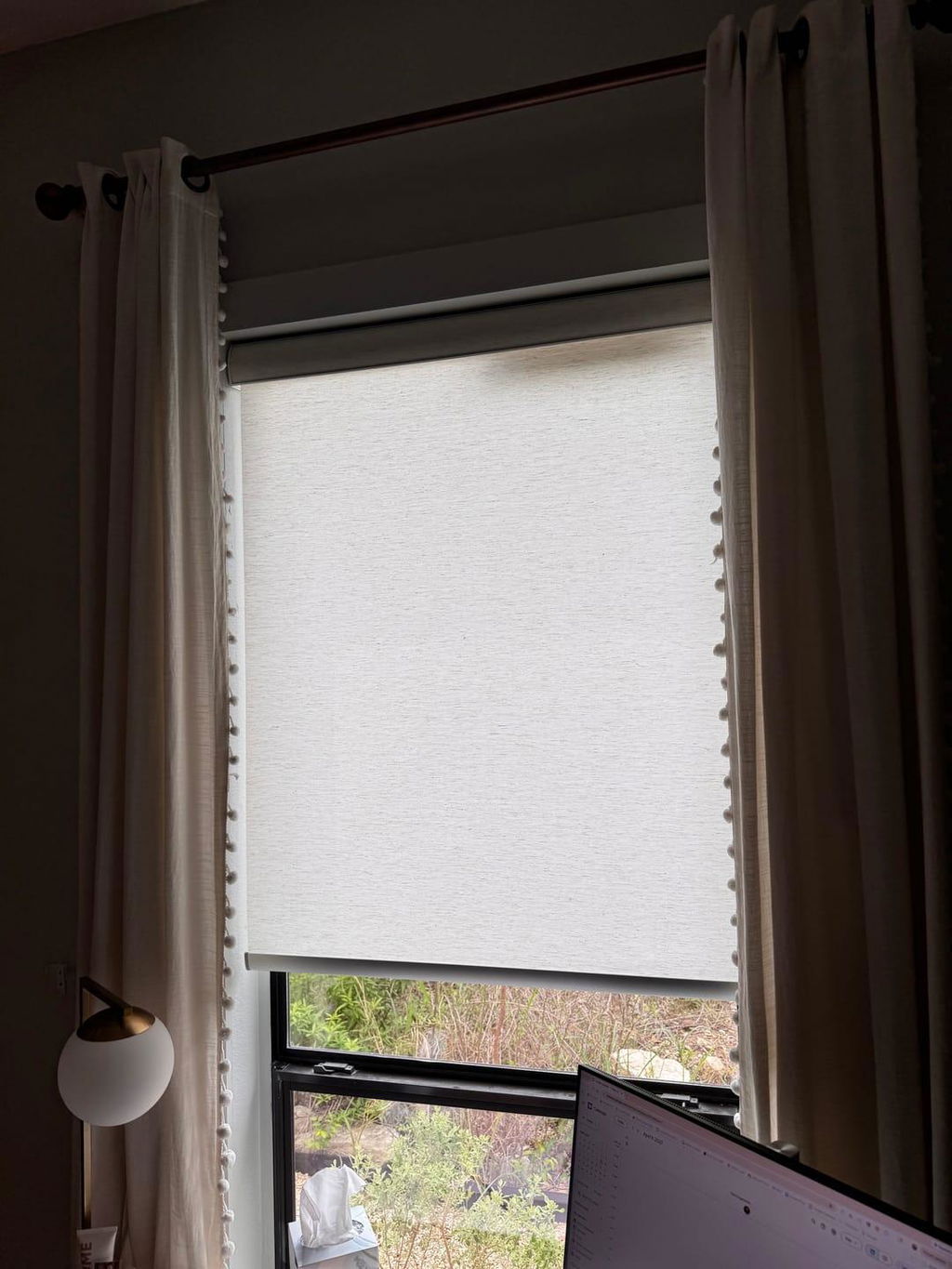
The breakthrough came when I looked into technical fabrics. Mounting solar shades on french doors is different than a standard window because you’re working with a moving object. You want a slim, low-profile cassette that mounts directly to the wood frame of the door, just above the glass. This keeps the architectural lines of the muntins visible while the shade is up.
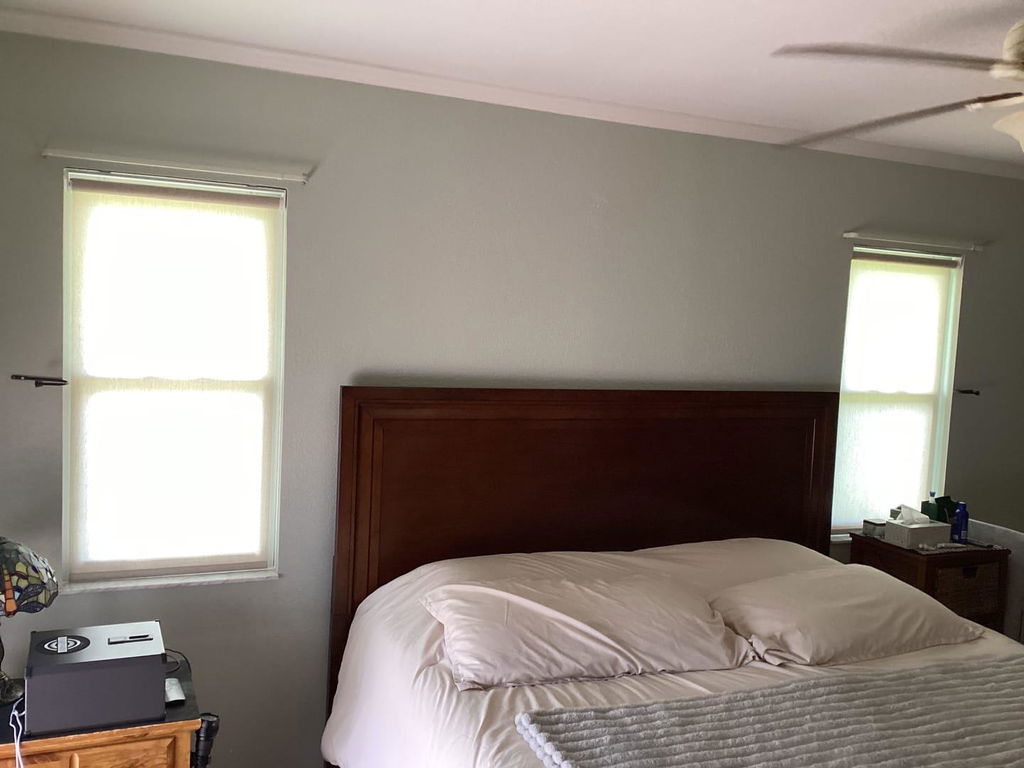
When searching for Roller Shades, I looked specifically for a small headrail. You don't want a massive 4-inch box protruding from the door; look for a 2-inch or 2.5-inch 'slim' profile. This ensures that even when the shade is fully retracted, it doesn't look like a piece of industrial equipment is hanging over your patio entrance.
Choosing the Right Openness for the Best Backyard View
When shopping for solar shades for french doors, you'll see a percentage rating. This refers to the 'openness' of the weave. A 1% weave is very tight—great for privacy but it obscures your view. A 10% weave feels like a screen door; you see everything, but you lose some UV protection.
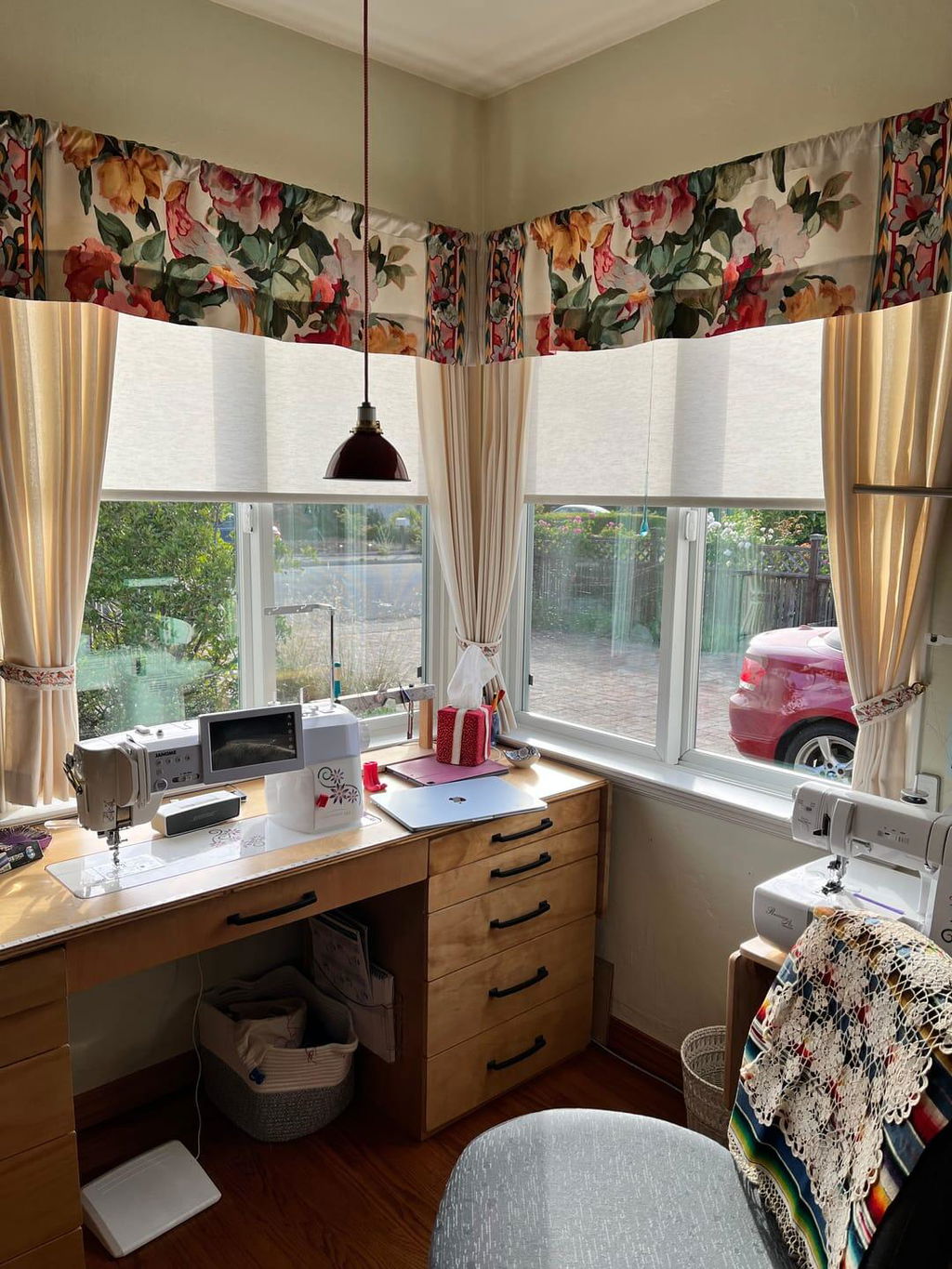
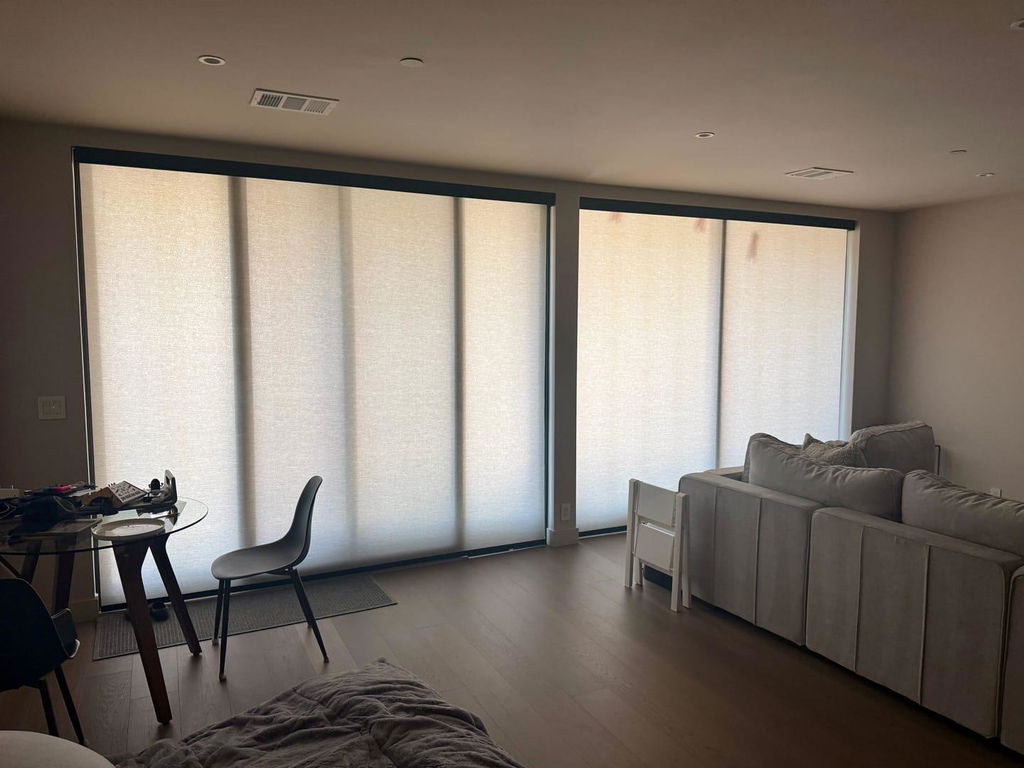
I personally found that Outdoor Shades 5 Openness fabric works beautifully for interior doors too. It’s the Goldilocks zone. It cuts the blinding glare enough that I can see my laptop screen, but I can still see the hydrangeas in the backyard. If you have a south-facing door with brutal sun, drop down to 3% to save your floors.
The Lever Handle Dilemma (And How to Actually Fix It)
Here is where most people mess up: the handle. Most French doors have a lever or a knob that sits very close to the glass. If you mount a standard roll shade, the fabric will hit the handle every time you lower it. It’s annoying, it creates a bulge, and it eventually frays the edge of the shade.
The fix is a 'reverse roll.' This means the fabric hangs off the front of the roller instead of the back, giving you an extra inch of clearance. If your handle is particularly chunky, you can use small plastic spacer blocks behind the mounting brackets to kick the whole assembly out further. I had to use 1/2-inch spacers on my doors, and once they were painted to match the trim, they were invisible.
Stop the Swing: The Secret to a Quiet Door
If you take nothing else away from my trial and error, remember this: buy the hold-down brackets. These are tiny transparent or metal clips that mount to the bottom of the door frame. The bottom rail of your shade snaps into them. Without these, every time you open the door, the shade will swing out and then 'smack' back against the glass. It sounds cheap and it’s distracting.
I used The Museum Trick For Styling Indoor Solar Shades For Windows by opting for hardware that matched my door’s oil-rubbed bronze finish. By matching the bottom rail and the brackets to the door’s existing hardware, the shades look like an original architectural feature rather than an after-thought I bought online at midnight.
My Final Checklist Before You Drill Into the Wood
Before you commit, take these three measurements. First, measure the width of the glass and add at least an inch on each side for the 'overlap'—this prevents light leaks. Second, measure the depth of the door frame to ensure your cassette won't stick out so far that it hits the wall when the door is fully open. Finally, check the clearance between the top of the door frame and the ceiling or crown molding.
Don't be afraid to drill into your doors, but do use a pilot hole. French doors are often made of hardwoods like oak or mahogany, and if you try to force a screw in without a pre-drilled hole, you risk splitting the wood. Take your time, level the cassette twice, and enjoy the fact that your floors are finally safe from the sun.
FAQ
Do solar shades provide privacy at night?
Not really. Solar shades are designed for daytime light management. Because they are a mesh weave, if it’s dark outside and your lights are on inside, people will be able to see in. If you need total nighttime privacy, you'll need to layer them with drapes or choose a blackout roller instead.
Can I clean solar shades easily?
Yes, and that’s why I love them for high-traffic doors. Unlike heavy velvet or linen drapes that trap pet hair and dust, solar shades can be wiped down with a damp microfiber cloth and a drop of mild dish soap. They are incredibly durable and don't hold onto odors.
Will solar shades make my room feel dark?
Not if you choose the right openness. A 5% or 10% shade feels more like putting on a pair of high-end sunglasses. The room stays bright and airy, but the 'harshness' of the light is filtered out. It actually makes the room feel more comfortable because you aren't squinting all afternoon.