How I Keep Solar Blinds for Windows From Looking Like a Dentist's Office
I remember the exact moment I realized my 'airy and open' window philosophy was a disaster. It was a Tuesday in July, and I noticed a distinct, pale rectangle on my vintage mahogany sideboard where a stack of books had been sitting. The sun had literally bleached the wood around them in just one season. I needed solar blinds for windows, but the mere thought of them made me twitch. To me, solar shades were the stuff of fluorescent-lit cubicles and sterile waiting rooms.
But after watching my favorite navy velvet chair fade to a sad, dusty lavender, I had to get over my aesthetic snobbery. The truth is, if you have a room that gets blasted by UV rays, you aren't just 'living with light'—you're watching your furniture slowly disintegrate. I’ve spent years figuring out how to use these high-performance screens without making my home feel like a commercial high-rise.
Quick Takeaways for Sun-Drenched Rooms
- Stick to 3% or 5% openness to keep your view of the trees.
- Darker screen colors are actually easier to see through than light ones.
- Always layer with a soft fabric drape to hide the industrial hardware.
- If you hate the 'flat' look, a solar Roman shade is your best friend.
The Utilitarian Dilemma (And Why We Still Need Them)
Let’s be honest: most people avoid sun shading blinds because they fear the 'office' vibe. We want our homes to feel organic and layered, not like a tech startup. However, the reality of fading rugs and scorched leather is a hard pill to swallow. I’ve seen too many gorgeous interiors ruined by the very light that was supposed to make them beautiful. Using a screen sun shade isn't about blocking the world out; it's about filtering the 'bite' out of the sun.
The fear is real, though. Clients often ask me, Do Solar Roller Shades Always Look Like A Corporate Office? My answer is always no—but only if you choose the right specs. If you just slap a basic white vinyl shade on your window and call it a day, yes, you’ll be looking for a magazine from 2014 and waiting for your root canal. The trick is treating the shade as a functional layer, not the entire design.
The 3% Rule: Decoding Openness Factors Without the Jargon
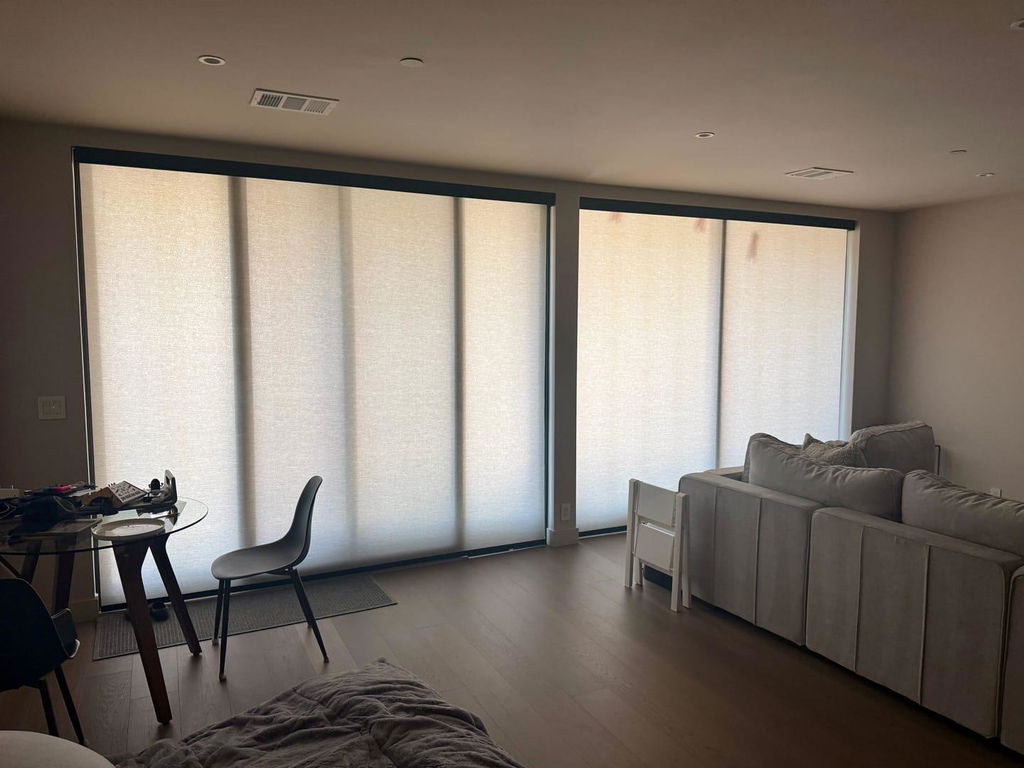
When you start shopping for a solar shade window treatment, you’ll see 'openness' percentages everywhere. This isn't just technical fluff; it’s the difference between a beautiful view and a plastic wall. A 1% openness factor is essentially a tarp—it blocks almost everything, but it feels claustrophobic. On the flip side, a 10% screen shade window lets in too much heat for most southern exposures.
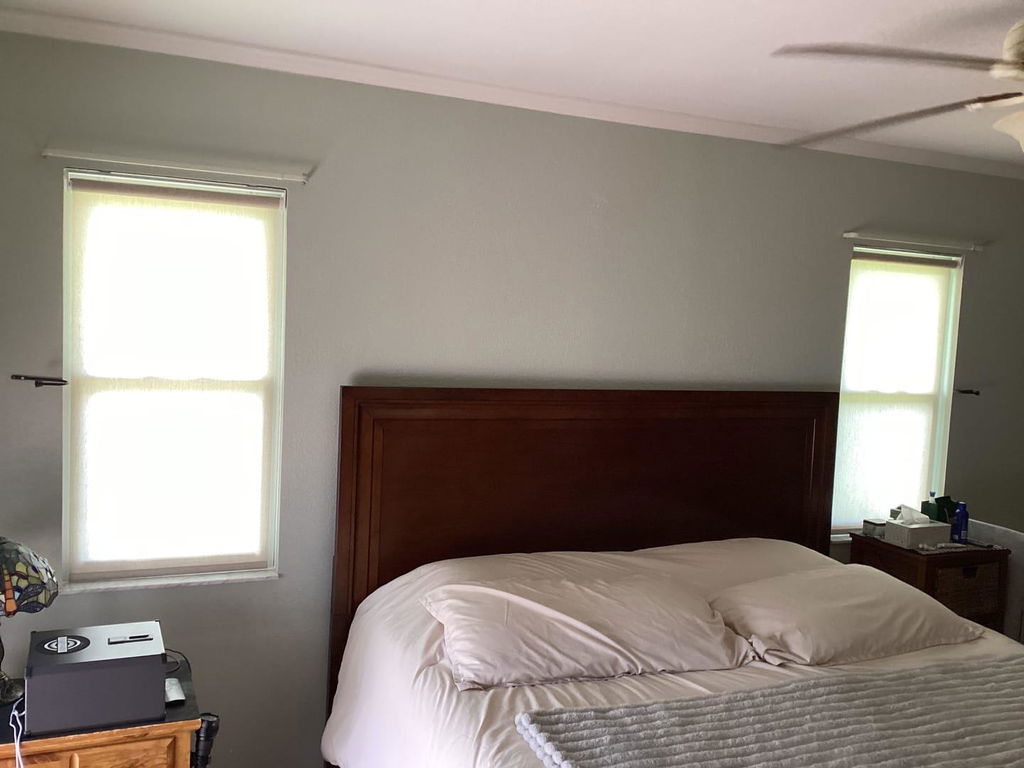
I find that 3% or 5% sunscreen shades for windows are the sweet spot. At 3%, you’re blocking 97% of those furniture-killing UV rays, but you can still see the shape of the oak tree in your backyard. It’s the difference between 'closed off' and 'protected.' If you're curious how these stack up against your standard options, check out the breakdown of Solar Shades Vs Roller Shades Which Will Save Your Fading Rugs to see why that UV filtering matters more than opacity.
The Secret is Always in the Layering
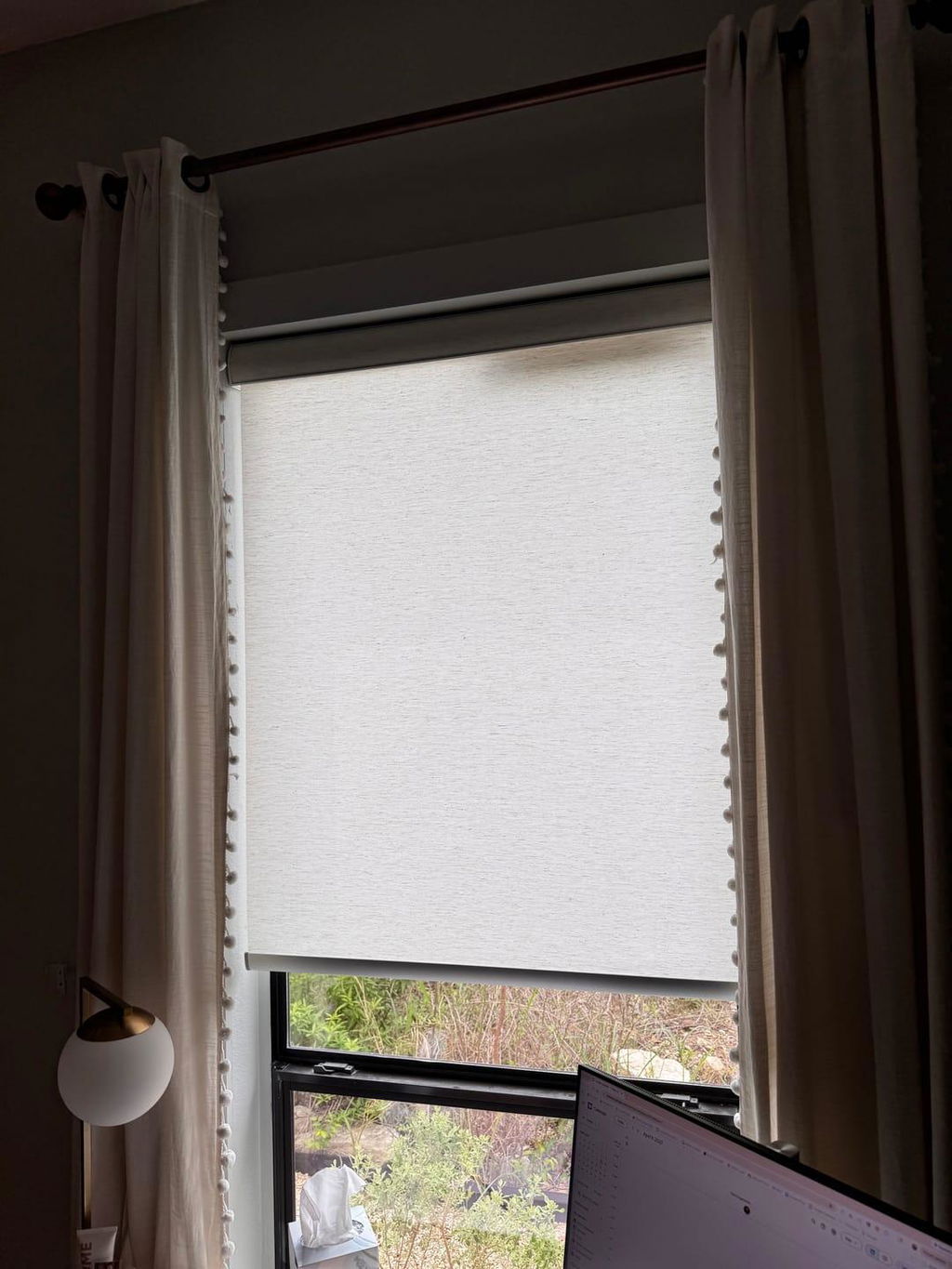
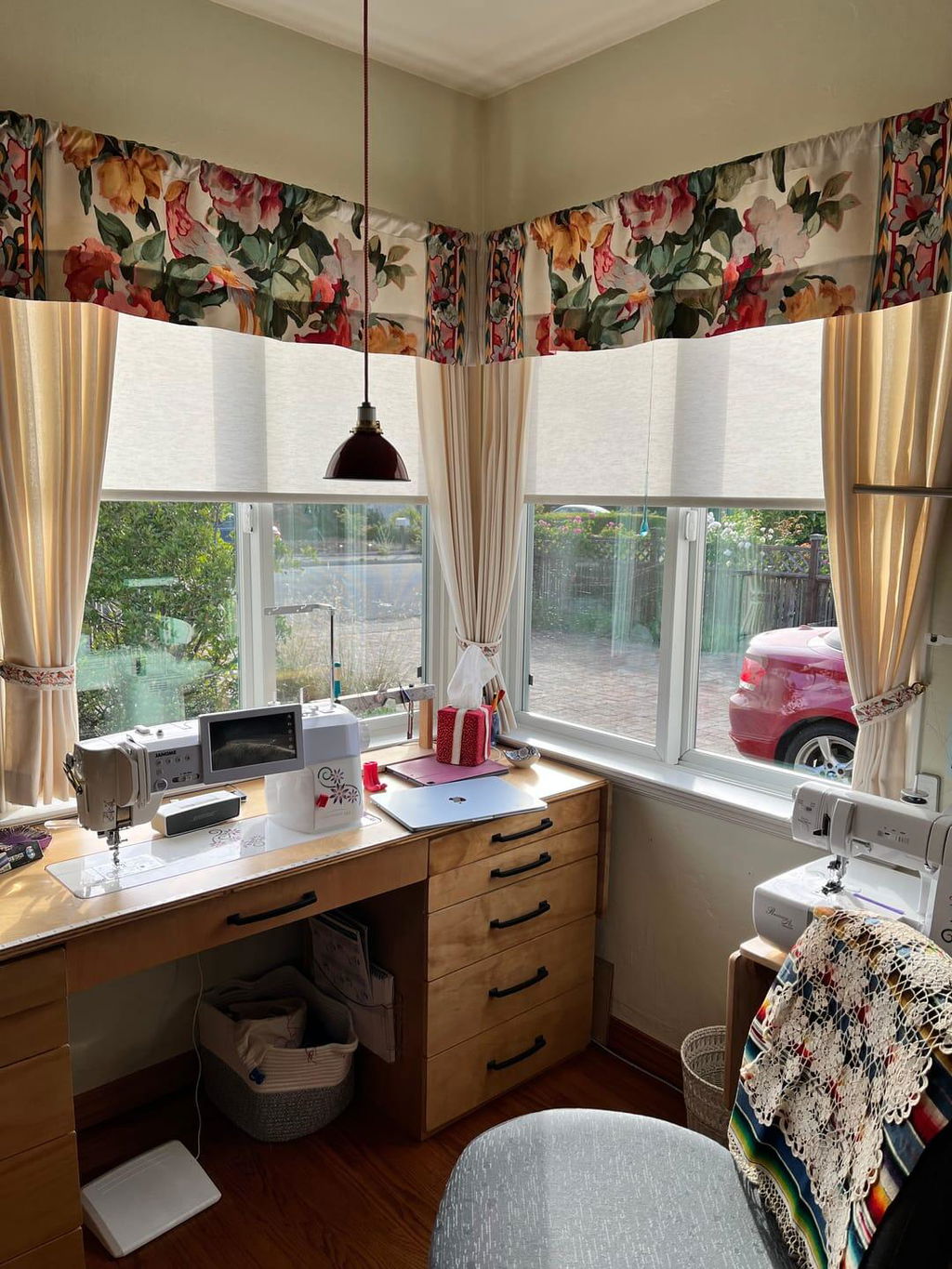
The biggest mistake people make with indoor solar roller shades is leaving them 'naked.' The hardware on these things—the cassette or the brackets—is inherently architectural and a bit cold. To fix this, I always mount the solar shade inside the window frame and then hang a heavy European linen or cotton velvet drape over the top. This hides the 'machine' part of the window treatment and adds the organic movement the room needs.
For rooms where you need both UV protection during the day and total privacy at night, I’m a huge fan of dual systems. Using something like the Canisteo Motorized Dual Roller Shades Cordless Custom Double Roller Blinds allows you to have a sheer solar screen for the afternoon glare and a solid fabric for the evening. It’s the most versatile way to handle a south-facing living room without sacrificing style.
The Counterintuitive Truth About Screen Colors
This is the part that usually blows people's minds: dark solar window roller shades provide a much clearer view than white ones. White or cream-colored mesh reflects light back into your eyes, creating a 'foggy' or blurred effect on the glass. It’s like trying to look through a screen door that’s been painted bright white—your eyes struggle to focus on what’s outside.
A charcoal or black solar shade roller absorbs light, which allows your eye to pass right through the mesh to the landscape beyond. It looks incredibly sophisticated and high-end, especially when paired with black window sashes or dark hardware. If you browse through a collection of modern Roller Shades, you’ll notice that the dark screens feel almost invisible when they’re down, whereas the light ones scream 'I am a window covering.'
When to Ditch the Roller for a Fold
If your house has heavy crown molding or a very traditional aesthetic, standard roller shades solar styles might still feel too 'sharp.' In these cases, I always suggest a solar roman shade. You get the exact same UV-blocking technology and high-performance mesh, but the fabric is constructed in soft, horizontal folds. It bridges the gap between 'high-tech' and 'high-design.'
This is particularly effective in dining rooms or libraries where you want a tailored, upholstered look. You can find these in various textures that mimic the look of woven grass or raw silk, but with the durability of a synthetic screen. If you're looking for that softer silhouette, exploring Roman Shades with solar linings is the way to go. It keeps the room feeling like a home, not a boardroom.
The Time I Got It Wrong
I once specified a 1% white solar shade for a client's breakfast nook. I thought it would keep the room 'bright.' Instead, it turned the window into a giant, glowing white rectangle that gave everyone a headache. We couldn't see the garden, and the glare off the white mesh was actually more annoying than the sun itself. I ended up replacing them with a 5% charcoal mesh at my own expense. The difference was night and day—suddenly, the garden was visible, the glare was gone, and the room felt twice as large. Learn from my mistakes: go dark and go slightly more open than you think you need.
Solar Shade FAQs
Do solar shades provide privacy at night?
Not really. If the lights are on inside and it's dark outside, people will be able to see shapes and movement through the mesh. If you need total night-time privacy, you'll need to layer them with drapes or choose a dual-roller system.
Can I install these myself?
Absolutely. Most solar window cover options just require a few screws into the lintel or the window frame. Just make sure you measure to the nearest 1/8th of an inch—there’s no room for 'close enough' with inside-mount shades.
Are they easy to clean?
Surprisingly, yes. Unlike fabric curtains that trap dust and pet hair, solar screens are usually a PVC-coated polyester. A quick vacuum with a brush attachment or a wipe with a damp cloth is usually all they need to stay fresh.