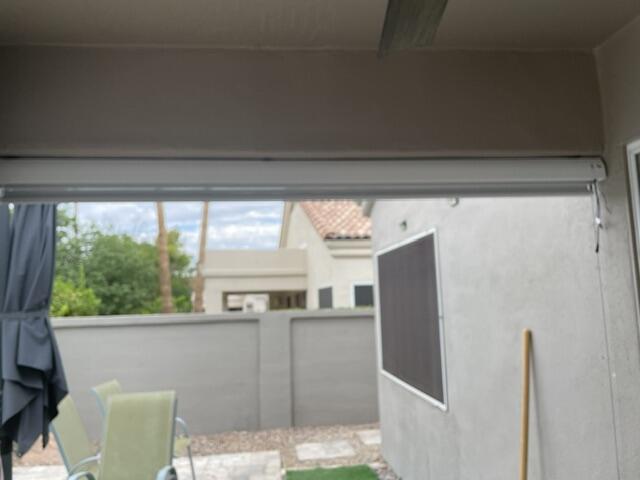
Don't Split the View: Styling a Roller Blind Large Window
I remember standing in the middle of a gutted living room, staring at a twelve-foot expanse of glass that looked more like a commercial storefront than a cozy home. It is that specific brand of panic where you realize your standard hardware store solutions are about four feet too short. Dressing a roller blind large window setup is not just about privacy; it is about making sure your house does not feel like a cold, empty aquarium once the sun goes down.
We have all seen the botched attempts: three mismatched blinds with awkward gaps, or heavy, velvet drapes that swallow the natural light even when they are open. The goal is a seamless look that honors the architecture. When you get it right, the shade disappears into the ceiling, leaving you with nothing but the view you paid for.
Quick Takeaways
- Always align your shade splits with the window mullions to keep the visual line clean.
- Choose fiberglass-core fabrics for spans over 96 inches to prevent the center from sagging.
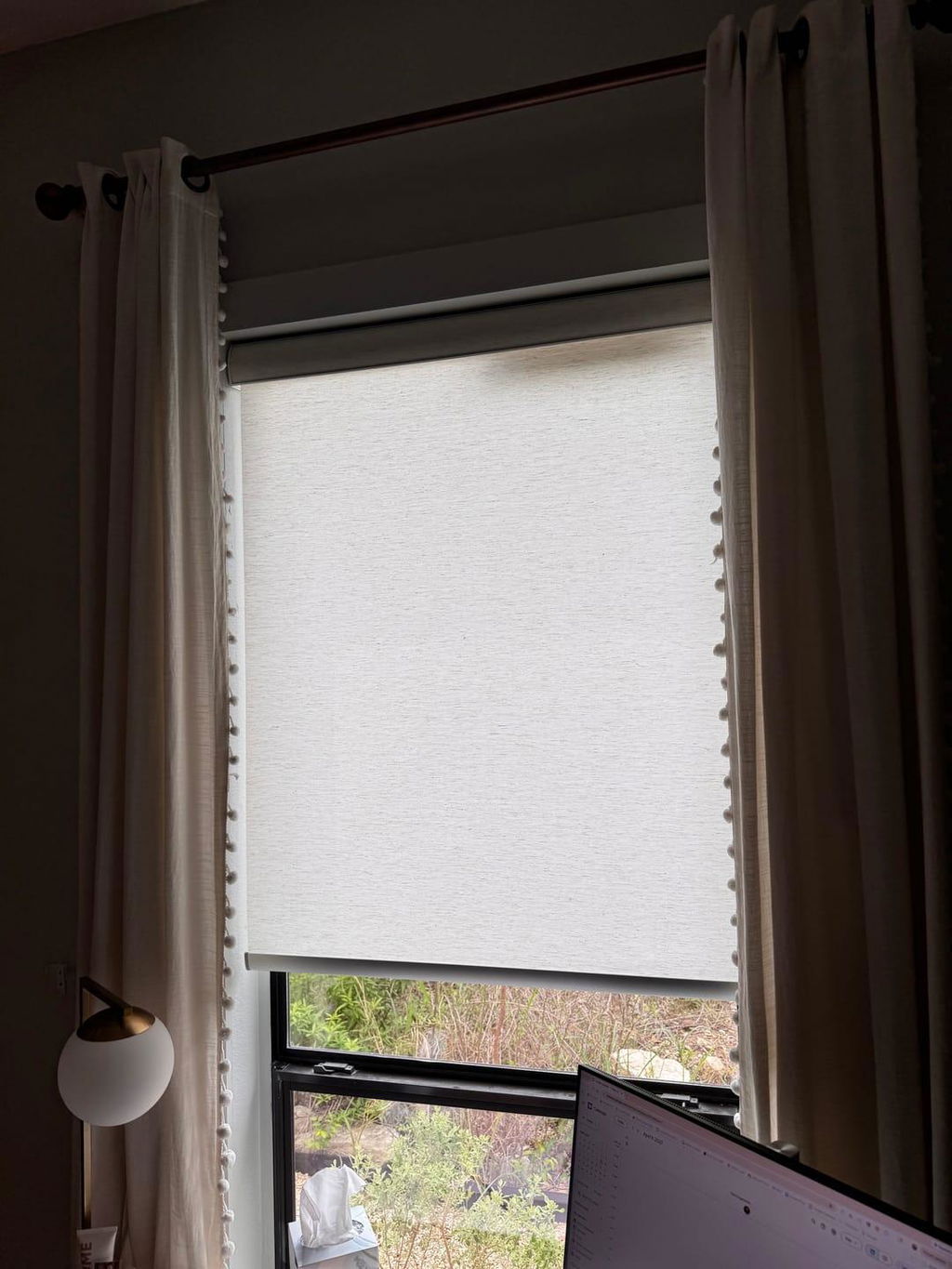
- Layer with stationary linen drapes to hide the 'light gap' at the edges of the roller.
- Motorization is a necessity, not a luxury, for shades weighing over 15 pounds.
The Expansive Glass Dilemma (And Why We Fear It)
Massive windows are the crown jewel of a room, but they are notoriously difficult to dress without looking like a corporate office. Most people default to vertical blinds because they are cheap and easy to find, but they lack the soul a home needs. Others try to use standard roller shades meant for small bedrooms, only to find the hardware looks spindly and out of scale against a ten-foot wall of glass.
The fear usually stems from the weight. A roller shades for large window project involves a lot of material, and if the tube is too thin, it will bow. You are looking for a high-performance solution that feels architectural. I prefer a sleek, 3% openness solar screen for these spaces; it cuts the glare on the TV but keeps the trees in sight. It is about creating a soft filter rather than a hard wall.
When you are dealing with large window roller blinds, you have to think about the 'stack.' Where does all that fabric go when it is up? A slim cassette or a recessed pocket in the ceiling is the stylist's secret to making the treatment look like it was built into the house itself.
To Split or Span? The Golden Rule for Wide Glass
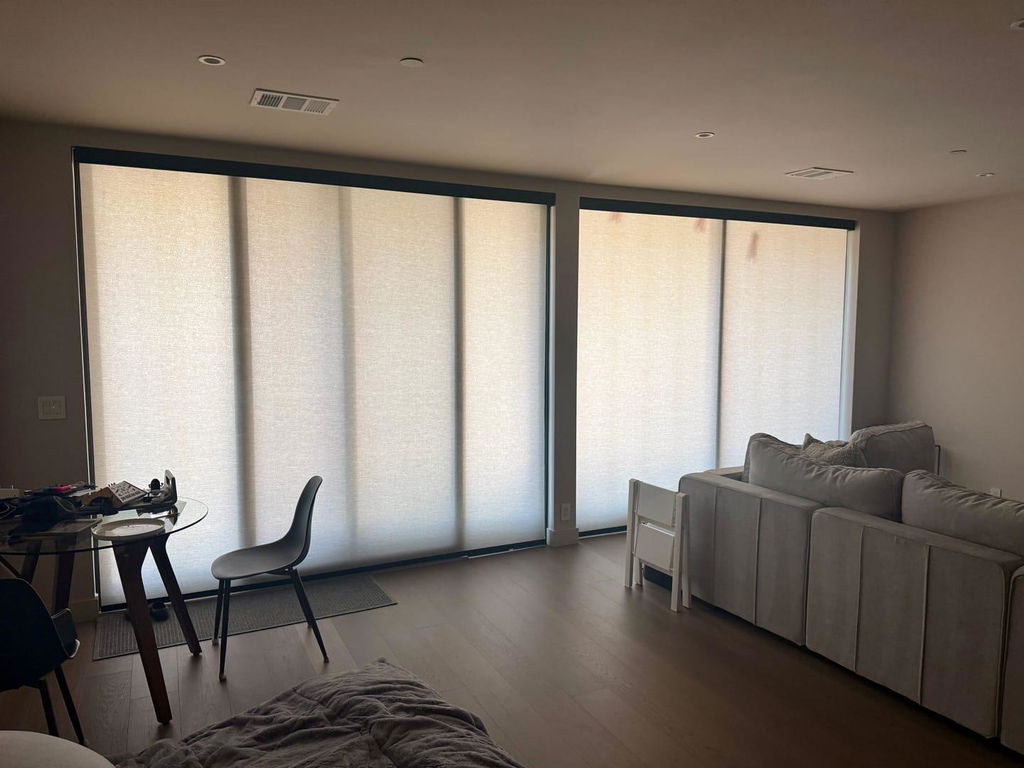
The biggest question I get is whether to buy one massive wide roller shade or three smaller ones. Here is my rule: look at your mullions—the vertical frames between the glass panes. If you have a clear, uninterrupted piece of glass, try to span it with a single shade. If you have vertical dividers, split the shades so the gaps fall directly over the frames.
Splitting a wide window shades roller setup into multiple units is often more practical for shipping and installation, but it creates 'light bleed'—those thin vertical lines of sun that can be annoying during a Sunday afternoon nap. If you must split, keep the gap as tight as possible, usually about 1/4 inch between the fabric edges. This keeps the eye moving across the room rather than getting stuck on the breaks.
For a truly roller blind long application, where the height matches the width, a single span provides a museum-quality finish. It feels intentional and high-end. Just ensure your mounting surface can handle the weight of a heavy-duty 1.5-inch or 2-inch aluminum tube.
Fabric Weight vs. Gravity: Avoiding the Dreaded V-Wave
Physics is the enemy of the large window roller shades. When you hang a wide piece of fabric, gravity wants to pull the center down, creating a series of ripples known as the 'V-wave.' This happens most often with heavy blackout vinyl. To avoid this, I always spec a fabric with a fiberglass core. Fiberglass is dimensionally stable, meaning it will not stretch or warp even when the sun is baking it at 100 degrees.
The stress on the internal mechanisms is real. This is often why your shades keep jamming; the weight of an oversized roller shades setup puts too much torque on a standard plastic clutch. You need a geared clutch or a heavy-duty spring-assist to make the operation smooth.
I once worked on a coastal project with 110-inch wide openings. We went with a high-performance polyester-nylon blend. It was light enough to hang straight but thick enough to provide the privacy the client needed. If the fabric is too thin, it looks like a sheet; too thick, and it sags. Aim for a mid-weight fabric around 350-400 gsm for the best drape.
The Layering Secret: Softening Large Window Roller Blinds
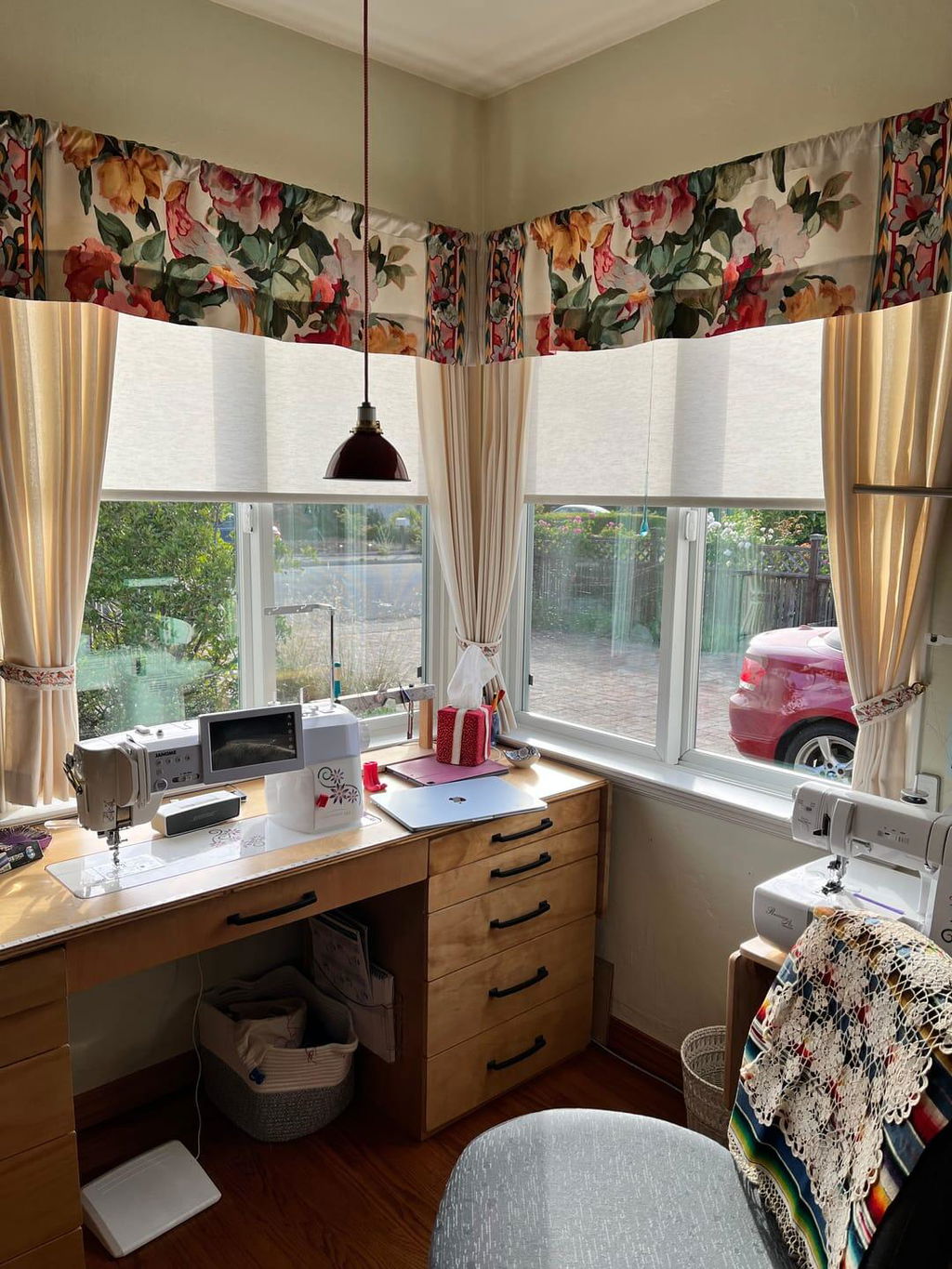
Even the most beautiful roller shade can feel a bit clinical on its own. To ground the room, I always frame the window with stationary drapery panels. Think of the roller shade as the functional workhorse and the drapes as the outfit. I like a heavy 200 gsm linen blend with about 2.5x fullness. You don't even need them to close—they are just there to add texture and hide the hardware brackets.
By hanging a rod 4 inches above the window frame and extending it 8 to 12 inches past the sides, you can use day night shades to manage the light while the drapes soften the corners. This layering trick also solves the light bleed issue. The drapes cover the edges where the roller shade cannot reach the wall, creating a total blackout effect if needed.
I usually opt for a 'puddled' look on the drapes—letting about an inch of fabric pool on the floor. It adds a bit of romance to the sharp, straight lines of the roller blind. It is that contrast between the rigid shade and the soft linen that makes a room feel designed rather than just 'furnished.'
Why Motorization Isn't Optional at This Scale
Let's be honest: you are not going to manually tug on a 100-inch wide shade every morning. It is awkward, it is heavy, and eventually, someone is going to pull too hard and rip the bracket out of the drywall. For large window roller shades, motorization is the only way to go. It allows you to align all your shades perfectly with the touch of a button.
If you are doing a dual-layer setup, look into custom double roller blinds. These systems house both a sheer and a blackout shade in one unit. At a large scale, having these motorized means you can transition from 'morning coffee' light to 'movie night' dark in seconds without fighting with tangled cords.
It is an investment, but it protects the longevity of the shade. Constant manual pulling creates uneven tension on the fabric, which leads to fraying. A motor provides a consistent, gentle roll every time, keeping your roller blind long fabric looking crisp for years.
My Biggest Mistake (So You Don't Make It)
I once ordered a massive 105-inch blackout roller for a client's bedroom and ignored the manufacturer's warning about the tube diameter. I thought I could save her a few hundred dollars by using a standard bracket. Within two weeks, the tube had bowed so significantly that the fabric started rubbing against the brackets, fraying the edges into a fuzzy mess. I had to replace the entire thing out of my own pocket. Now, I never skimp on the hardware specs for wide spans. If the pro says you need a 2-inch tube, you get the 2-inch tube.
Frequently Asked Questions
How wide can a single roller shade actually go?
Most high-end manufacturers can go up to 115 or 120 inches in a single span, but it requires a heavy-duty tube to prevent sagging. Anything wider usually requires multiple shades coupled together.
How do I stop light from coming in the sides of my large roller blind?
The best way is to use 'light blocks' (L-shaped plastic strips) or, my personal favorite, layering the shade with stationary drapery panels that overlap the edges of the window frame by a few inches.
Are roller shades too 'office-like' for a living room?
Not if you choose the right fabric. Avoid the shiny, plastic-feeling vinyls. Go for a 'woven' look or a heathered fabric that has some visual texture. When paired with soft drapes, they look incredibly modern and sophisticated.