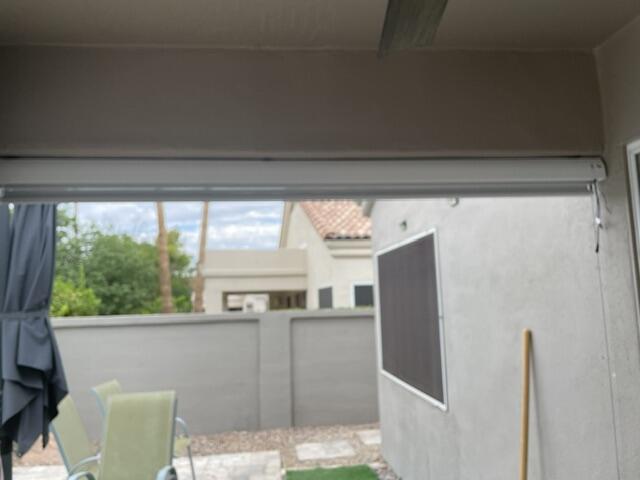
Do Blackout Roller Blinds for Patio Doors Actually Look Good?
I remember the first time I tried to host a movie afternoon in my new sun-drenched living room. The 4 PM sun didn't just hit the TV; it obliterated it, turning a high-stakes thriller into a hazy reflection of my own frustrated face. I spent the next hour trying to tape cardboard over the glass, promising myself I'd find a real solution. But the fear was real: would blackout roller blinds for patio doors make my home look like a windowless basement or a corporate conference room?
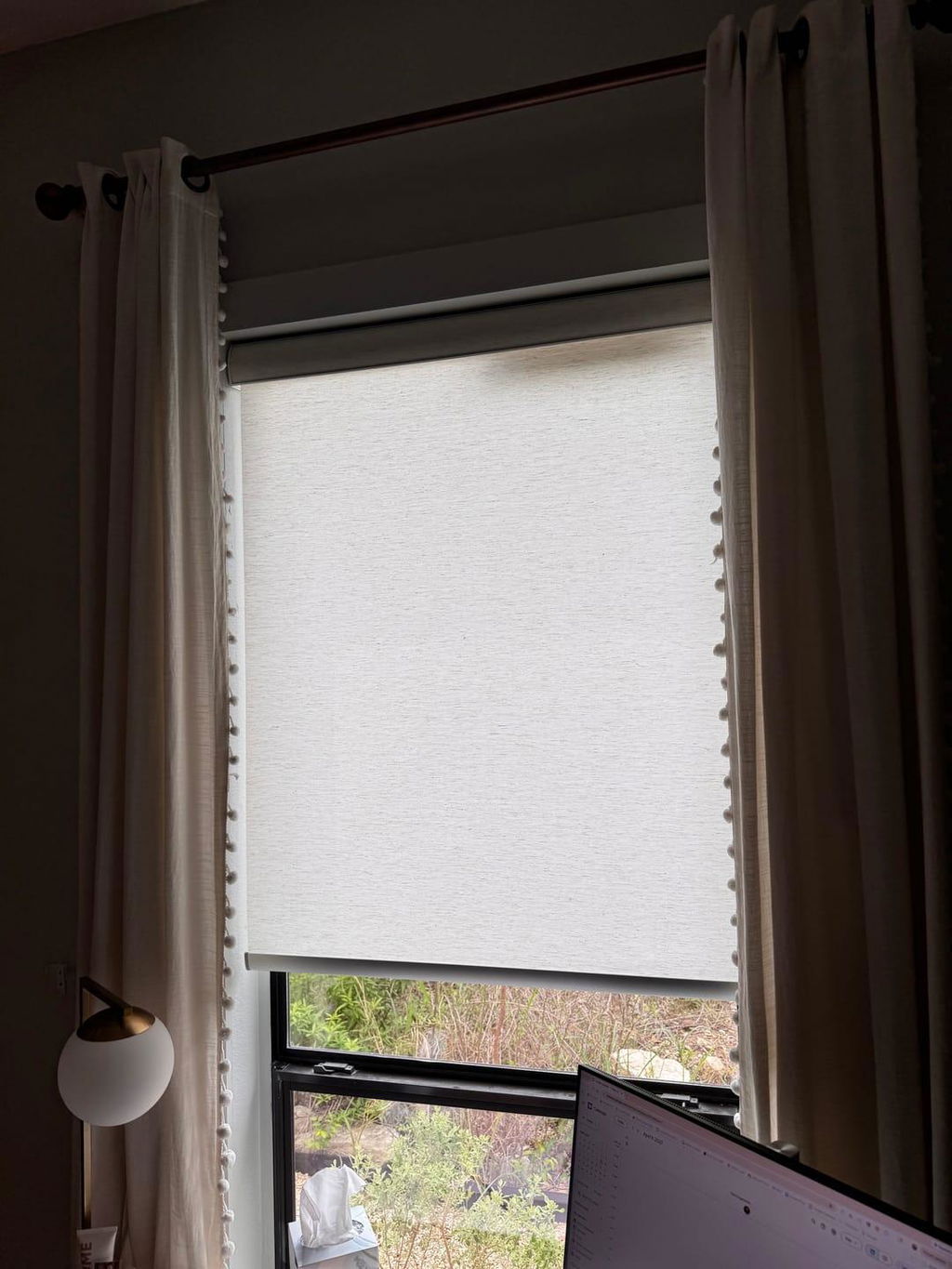
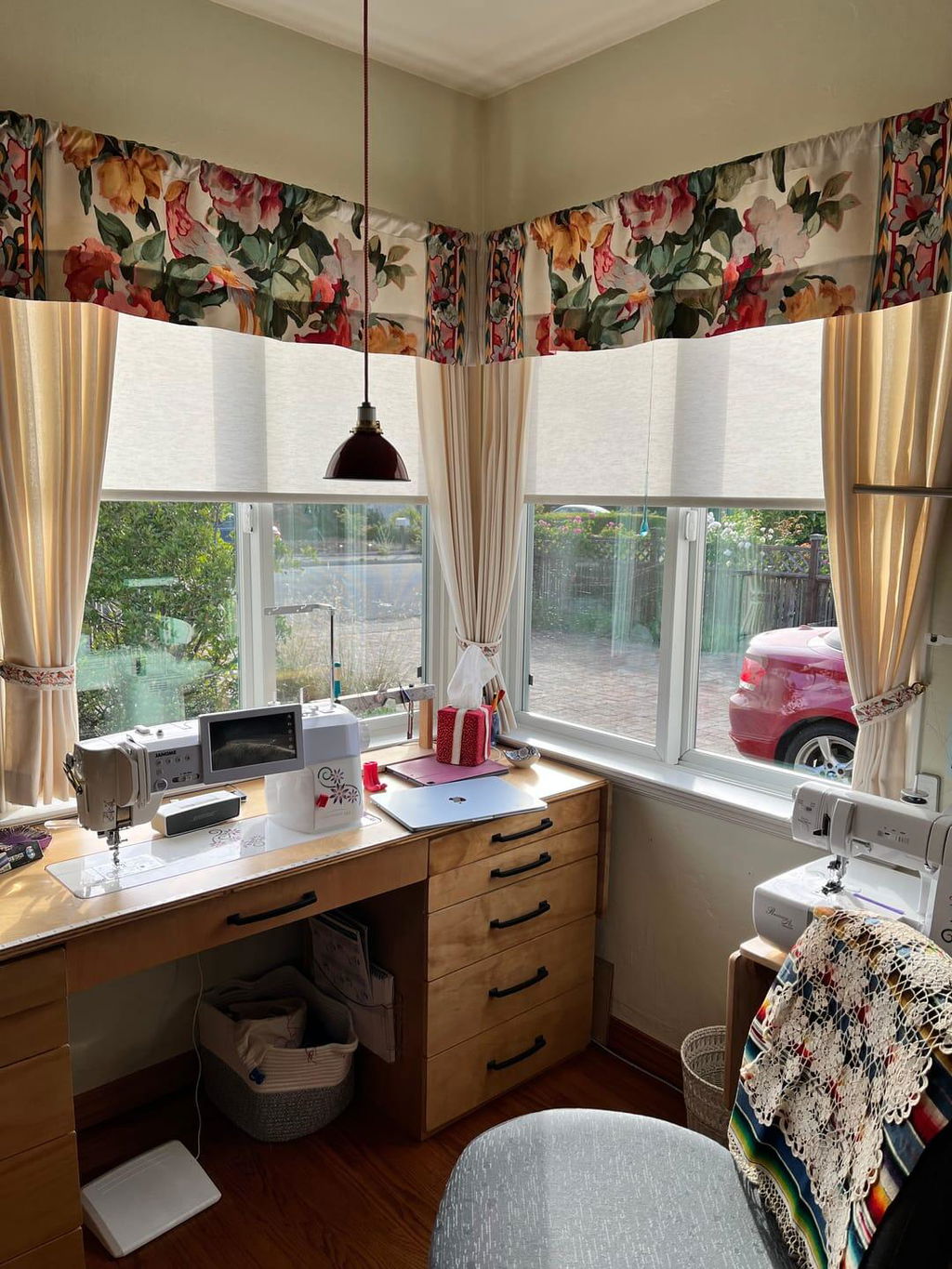
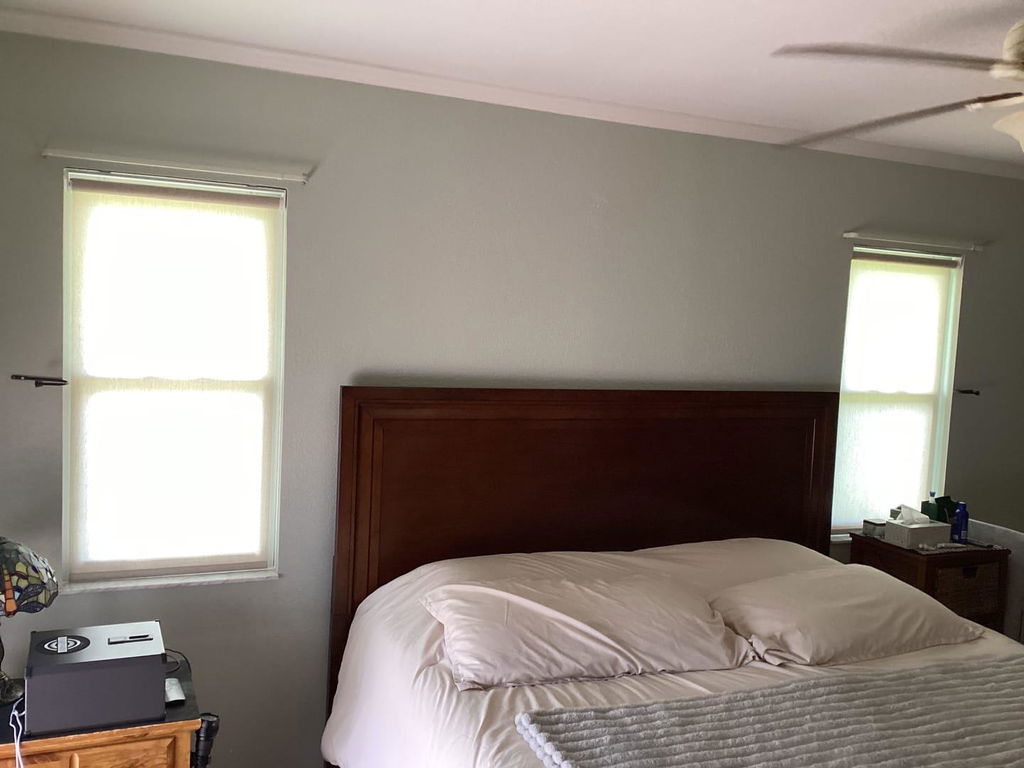
The good news is that we’ve moved past the era of sad, gray plastic. Modern treatments for large glass exits have become architectural rather than just functional. You can actually block 100% of that piercing glare while keeping your aesthetic intact, provided you know which fabrics to skip and where to split your measurements.
Quick Takeaways
- Split the treatment into two or three panels to follow the door’s natural opening.
- Choose woven, high-GSM fabrics over cheap vinyl to avoid edge curling.
- Use a reverse roll to ensure the fabric clears bulky door handles.
- Layer with stationary linen drapes to hide light gaps at the edges.
Why We're Finally Ditching the Clacky Vertical Slats
For decades, the default for sliding doors was those white, PVC vertical slats. You know the ones—they clack like skeleton teeth every time the AC kicks on, and the little plastic clips at the top break if you even look at them wrong. They were a '90s staple because they were cheap, but they do nothing for a room's soul. They feel temporary, like something you'd find in a doctor's waiting room.
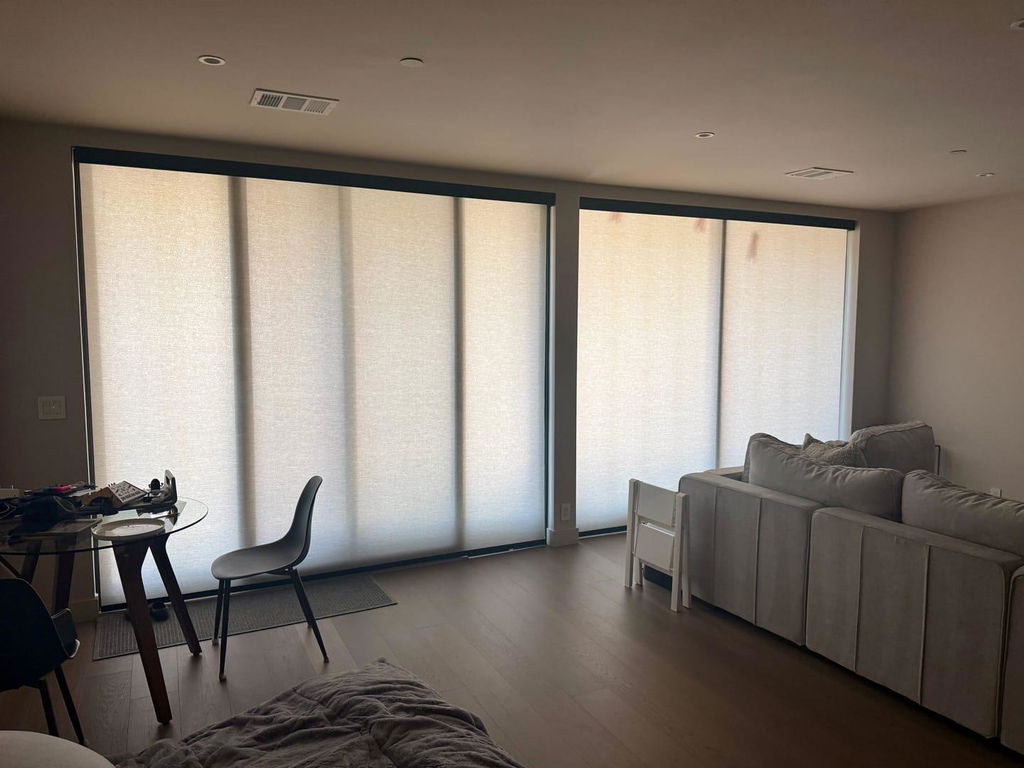
The shift toward patio door blackout blinds is driven by a desire for clean, vertical lines that disappear when you don't need them. A roller shade tucks away into a tiny profile, leaving your view unobstructed. When they’re down, they act as a solid block of color or texture that feels like a part of the wall architecture. It’s a much more intentional look for high-traffic rooms where you want to transition from 'bright morning coffee' to 'dark afternoon cinema' in seconds.
The 'Two-Blind Split': How to Map Out Your Glass
One of the biggest mistakes I see is people trying to order a single, massive 100-inch wide roller for a sliding door. Don't do it. Not only is the weight of that fabric a nightmare for the internal springs, but it also means you have to raise the entire thing just to let the dog out. You end up exposing the whole room to the sun just to use six inches of the door.
Instead, map out your glass based on the mullions—the vertical frames of the door. If you have a standard two-pane slider, order two separate custom roller shades and mount them side-by-side. This allows you to keep the 'fixed' side of the door covered while the 'active' side is raised. Yes, you will have a small light gap (usually about 3/4 of an inch) where the two blinds meet, but it’s a small price to pay for the functionality of a blackout sliding door blinds setup that actually works with your lifestyle.
Fabric Matters: Why I Refuse to Hang Stiff Plastic
If you buy the cheapest blackout shades for sliding glass door kits from a big-box store, you’re getting vinyl. Vinyl is the enemy of a high-end interior. It smells like a pool toy when it gets hot, and within six months, the edges will start to 'cupping' or curling inward. It looks cheap because it is cheap. Under harsh sunlight, that plastic sheen is unforgiving.
I always advocate for the case for blackout fabric roller blinds that use a woven polyester or a linen-look blend with a blackout backing. You want something with a bit of weight—think 300 to 400 gsm. These fabrics have a soft, matte finish that absorbs light rather than reflecting it. When the sun hits a textured fabric, it brings out the weave and makes the room feel cozy and curated, rather than sterile.
Hiding the Hardware: Cassettes and Reverse Rolls
Nothing ruins the look of sliding glass door blackout blinds faster than an exposed metal tube and a messy roll of fabric at the top. It looks unfinished. To make these blinds look built-in, you need a cassette or a fascia. This is a sleek metal or fabric-wrapped housing that hides the mechanics. I prefer a square cassette in a matte black or white to match the window trim.
Pay attention to the 'roll direction' too. Most blinds come as a standard roll, where the fabric hangs close to the glass. However, patio doors usually have bulky handles that stick out two inches. I recommend a 'reverse roll,' where the fabric falls over the front of the tube. This creates enough clearance to go over the handle without the fabric catching or bulging every time you lower it.
The Layering Trick: Softening the Edges with Drapes
Even the best blackout shades for sliding glass door installations will have light leakage at the sides. It’s just the nature of the product. If you want that 'designer' look, you have to layer. I love flanking a set of roller blinds with stationary drapery panels. You don't even need them to be functional—just two 50-inch wide panels of heavy linen on a rod that extends 10 inches past the frame on each side.
These drapes serve two purposes. First, they physically block the light gaps at the edges of the rollers. Second, they soften the hard, rectangular lines of the blinds. It’s the secret to making sliding door blackout blinds look like a high-end design choice rather than a utilitarian necessity. It adds that 2.5x fullness that makes a room feel finished and expensive.
Why Motorization is Actually Worth It Here
I’m usually a 'manual' kind of person—I like the tactile feel of a cord—but for patio doors, I make an exception. These are large pieces of fabric. Pulling a manual chain on a 96-inch drop every single day gets old fast. It’s also a lot of tension on the brackets over time. If you have the budget, motorized blackout shades are the ultimate luxury for a living room.
Being able to tap a button on your phone or use a remote to lower the shades while you're already on the couch is a game-changer. It also eliminates the dangling cords, which is a huge safety win if you have kids or pets. Plus, there is something undeniably cool about watching three massive shades descend in perfect unison as you start a movie.
My Personal Design Fail
I once tried to save $200 by ordering a single, extra-wide manual blackout blind for a triple-pane slider in my old apartment. I didn't account for the weight of the 4-ply blackout fabric. The first time I tried to pull it up, the tension was so high that the plastic chain snapped, and the whole thing came crashing down, taking a chunk of drywall with it. I spent the rest of the weekend patching plaster and re-ordering two separate blinds. Learn from my hubris: split the weight, and always check your mounting surface before you go big.
FAQ
Do blackout rollers leave a gap at the bottom?
If your floor is perfectly level, you can get them to sit within a quarter-inch of the threshold. However, most floors have a slight slope. I usually suggest letting the blind rest gently on the floor or the door sill to ensure no light leaks through the bottom edge.
How do I clean blackout roller fabric?
Don't throw them in a machine. Most blackout backings are a specialized coating that will crack in a wash. Use a vacuum with a brush attachment for dust, and for spots, use a damp microfiber cloth with a tiny drop of clear dish soap. Always let them air dry fully before rolling them back up.
Can I mount these inside the door frame?
Only if your frame is deep enough—usually at least 3 inches. Most patio doors have shallow frames or are flush with the wall, so an 'outside mount' (on the wall above the trim) is usually the safest and most aesthetically pleasing bet.