Confused by the Holes? How to Install Universal Roller Shade Brackets
I remember the first time I unboxed a set of custom solar shades for my sunroom. The fabric was a stunning 5% openness weave in a crisp oat color, but when I pulled out the hardware, I froze. It was a pair of metal brackets riddled with so many holes they looked like Swiss cheese. I spent twenty minutes just rotating the metal in my hand, wondering if I’d been sent the wrong parts.
If you are currently on a ladder staring at a similar piece of hardware, breathe. You aren't missing parts, and you aren't crazy. Learning how to install universal roller shade brackets is actually easier than it looks because those extra holes are there to give you options, not to give you a headache. These brackets are designed to work whether you are mounting to the ceiling, the wall, or the side of a deep window casing.
- Identify your mount: Top, face, or side. This dictates which holes you use.
- Pilot holes are non-negotiable: Especially with hardwood trim, or you'll split the wood.
- Leveling is key: Even a 1/8-inch tilt will make your shade telescope and fray at the edges.
- Listen for the click: The shade isn't secure until you hear the hardware engage.
Why Universal Brackets Look Like Metal Origami
Manufacturers love universal brackets because they only have to pack one type of hardware regardless of how you plan to hang your shades. When you are unboxing your new roller shades, you'll notice the bracket has three distinct 'planes.' One flat side for the top, one for the back, and one for the side.
You will never use every hole in the bracket. Usually, you only need two screws per side. The 'origami' design allows the same piece of metal to act as a ceiling mount or a wall mount depending on which way you rotate it. It’s efficiency for the factory, but it requires a bit of spatial reasoning for us at home.
Inside Mount vs. Outside Mount: Which Holes Do I Actually Use?
Before you pick up the drill, you have to decide where the shade is living. Understanding how to install universal mount shade brackets starts with visualizing the screw's path. If you want the shade tucked neatly inside the window frame, you are looking at the top holes. If you want the shade to sit on the wall above the window—maybe to hide a less-than-perfect casing—you’ll be using the back holes.
The Top Mount Method (For Clean Inside Mounts)
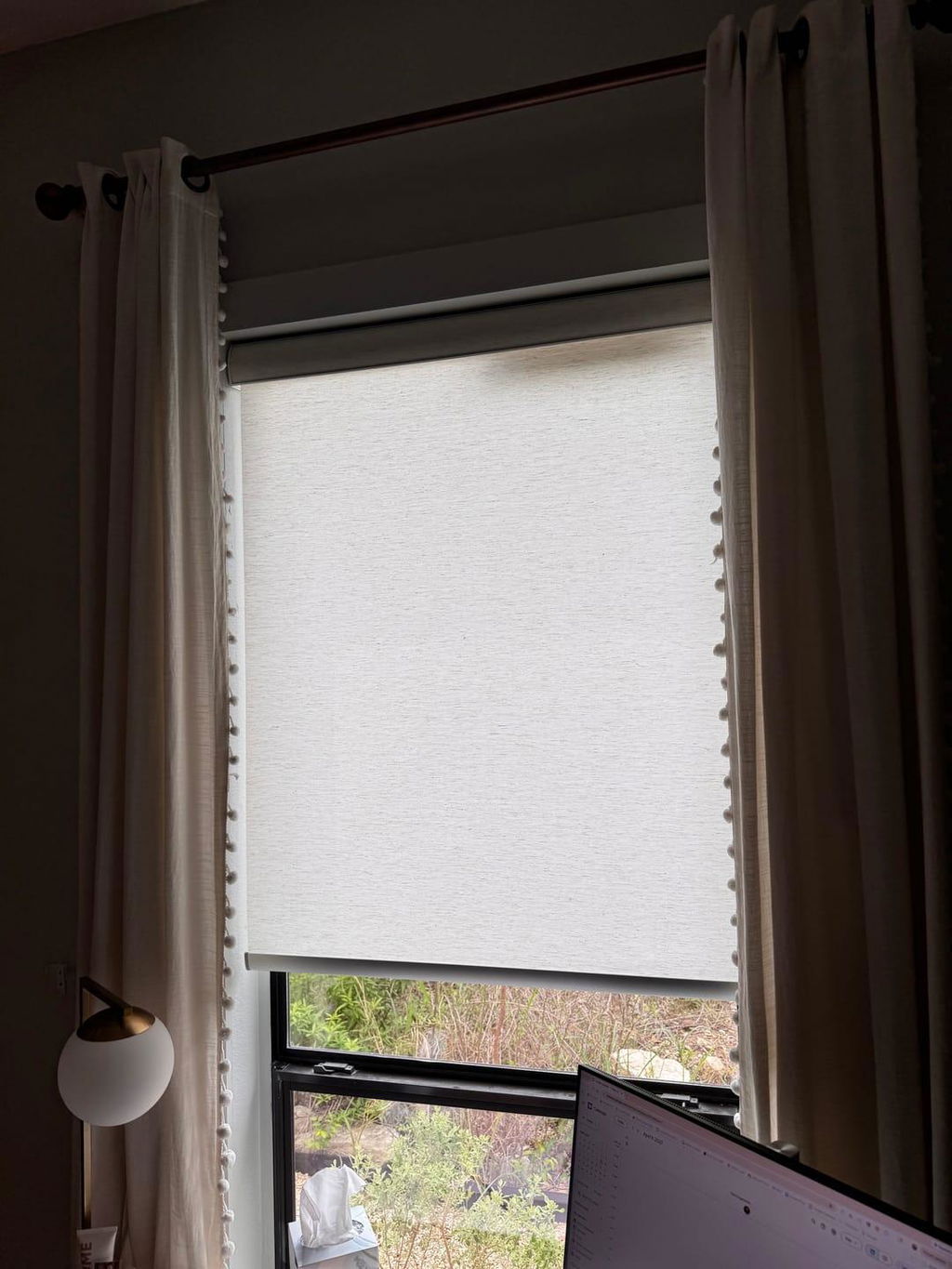
This is my favorite look. It’s sleek and architectural. You’ll hold the bracket against the 'ceiling' of the window frame. Use the holes on the top horizontal surface of the bracket. This keeps the hardware hidden by the shade itself once it's installed, creating a seamless, high-end finish that doesn't distract from your room's lines.
The Face Mount Method (For Outside Mounts & Layering)
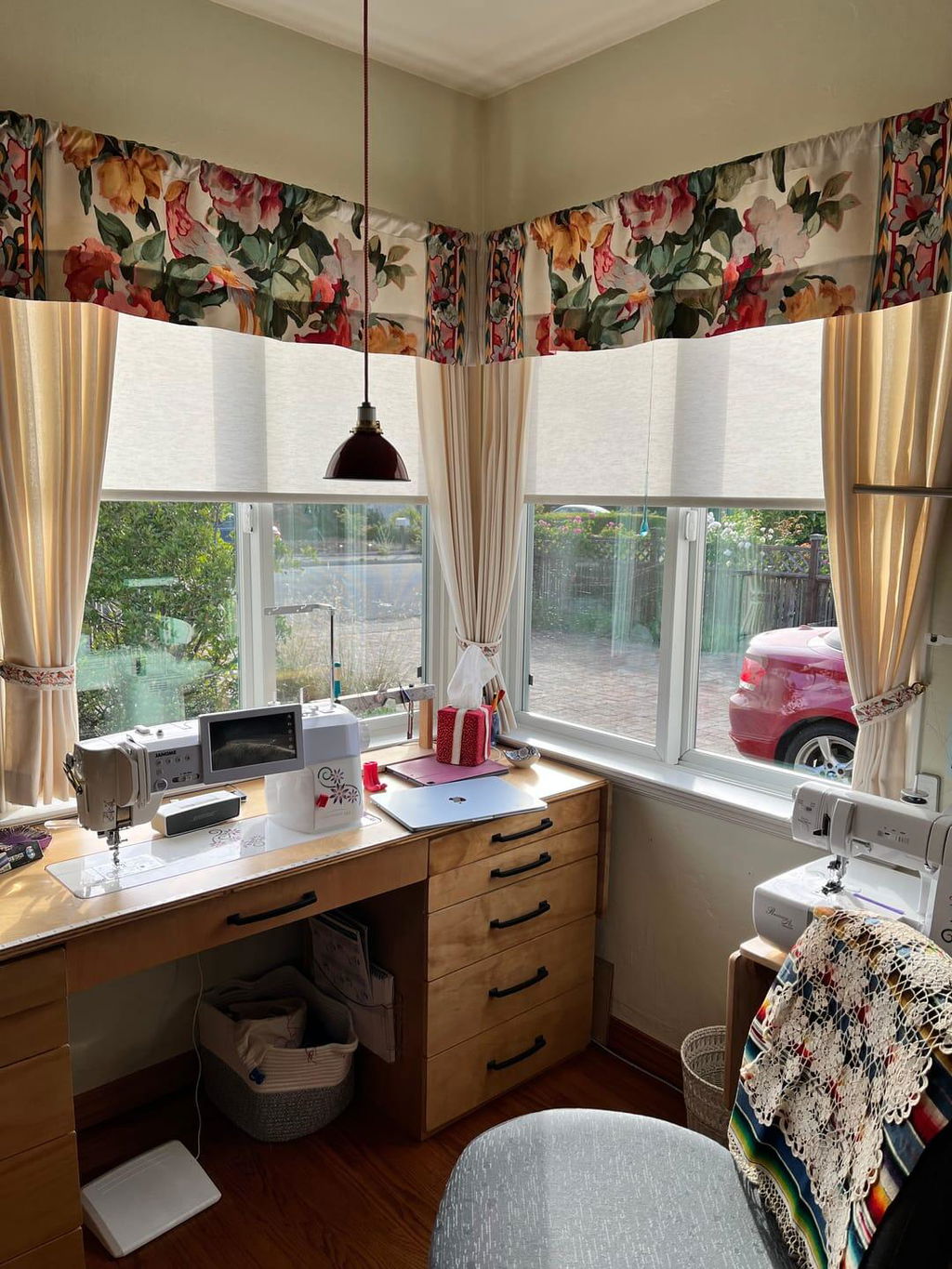
If you’re dealing with shallow windows or you want to make a small window look massive, mount the brackets to the wall or the face of the trim. Use the holes on the back vertical plate. I often do this when I’m layering a 300 gsm linen roller shade behind heavy velvet drapes to give the room that hotel-suite depth.
The Side Mount Method (For Deep, Tricky Casings)
Sometimes the top of your window frame is obstructed by a crank or a lock. In this case, you use the side holes to screw directly into the left and right vertical jambs. It’s less common but a total lifesaver for old Victorian windows where nothing is ever perfectly square.
The Tools You Need (Please Put Down the Heavy-Duty Drill)
You don't need an industrial impact driver for this. In fact, too much power often leads to stripped screws and tears. Grab a sharp pencil—I prefer a mechanical one for a precise mark—and a handheld screwdriver for the final tightening. A small level is essential; if your brackets aren't perfectly aligned, your shade will roll up like a crooked scroll.
If you are mounting into drywall, use real anchors. The little plastic ones that come in the box are usually trash. I keep a box of zinc self-drilling anchors in my kit for everything. They bite into the wall and stay there, which is vital for a shade you’ll be tugging on every morning.
Step-by-Step: The Foolproof Installation Method
Start by holding your first bracket in place. If you're doing an inside mount, I usually set mine about 1/4 inch back from the front of the trim to ensure the shade doesn't protrude. Mark your holes with the pencil. Move to the other side and repeat. Now, measure the distance between your marks to ensure they match the width of your shade. I’ve skipped this step before and ended up with brackets that were half an inch too wide—not a mistake you want to make twice.
Drill a small pilot hole. This is the secret to a professional install. It guides the screw and prevents the wood from splintering. Secure the brackets until they are snug but not crushed against the surface. For a more detailed breakdown, you can check out this guide on How To Install Your Shades. If you happen to be working with specific brand hardware, you might find more nuance in how to install Levolor roller shade universal mount brackets, which sometimes feature a slightly different locking tab.
The 'Click' Test: Securing the Shade in Place
The brackets are up. Now for the satisfying part. Most roller shades have a 'pin' side and a 'control' side (where the chain or motor is). Usually, you'll slot the spring-loaded pin side into its bracket first, then depress it to allow the control side to slide into its hooks. Give the shade a gentle tug. You should hear or feel a distinct 'click' as the hardware locks. If it feels mushy, it’s not in. I once had a heavy blackout shade fall onto a nightstand because I didn't verify the lock—lesson learned.
FAQ
Do I need to use all the holes in the bracket?
No. Most universal brackets have 4-6 holes, but you typically only need two screws per bracket to hold the weight of a standard shade. Choose the two that offer the most stability for your specific mounting surface.
What if my window frame is metal?
You'll need a metal-rated drill bit to create your pilot holes and self-tapping screws. Don't try to force a standard wood screw into a metal frame; you'll just break the head off the screw and ruin your afternoon.
Can I mount these to the ceiling?
Absolutely. That is the beauty of the universal design. Use the top holes and screw directly into your ceiling joists or use heavy-duty toggle bolts if you're only hitting drywall.