Are Natural Woven Roller Blinds Too Casual for a Formal Living Room?
I remember standing in my first 'grown-up' living room—all velvet seating and brass accents—realizing it felt like a cold museum. I desperately needed texture to break up the sterile lines, but I was terrified that adding wood or grass would turn my sophisticated vibe into a Jimmy Buffett music video. It is the classic designer’s dilemma: how do you bring in organic warmth without losing the architectural edge?
The answer, I discovered after three sets of returns and a lot of late-night measuring, is in the weave. Choosing natural woven roller blinds doesn’t mean you’re settling for a 'beachy' look. When you get the density and the hardware right, these shades act more like a tailored suit for your windows than a straw hat.
- Micro-weaves are king: Opt for tightly woven grasses or jutes rather than chunky bamboo to keep the look refined.
- Edge binding is non-negotiable: A fabric border prevents fraying and provides a crisp, architectural silhouette.
- Layer for depth: Pair your woven shades with floor-to-ceiling drapes to soften the window frame.
- Upgrade the hardware: Swap plastic chains for continuous metal loops or motorization to signal quality.
The 'Tiki Bar' Trap: Why Woven Materials Often Read Too Casual
We have all seen it: the unlined, orange-toned bamboo shade that looks like it belongs on a patio in Florida rather than a formal sitting room. These 'off-the-shelf' options are usually too chunky, featuring thick reeds and uneven gaps that let in jagged shards of light. In a room with clean-lined furniture and expensive rugs, that rustic sloppiness creates a visual clash that feels cheap rather than intentional.
The 'Tiki Bar' trap happens when the material is too raw. If the shade looks like it was hacked out of a jungle and hung up with a prayer, it won't work in a formal space. You need a product that has been processed and refined—something that feels like a textile rather than a pile of sticks. Without a proper liner, these shades can also look messy from the street, showing every knot and tie-down in a way that kills your home's curb appeal.
Tight Weaves vs. Chunky Reeds: Decoding the Fabric
If you want sophistication, you have to look at the density of the material. I always steer my clients toward micro-weaves. Think of it like thread count in sheets; a natural woven roller shade made from finely spun paper, jute, or thin-cut bamboo strips offers a smooth, consistent surface that catches the light evenly. It feels intentional and architectural.
I remember swapping faux wood for bamboo in a client's library last year. The faux wood was heavy and dated, but the new woven shades had a delicate, fabric-like drape that instantly made the room feel taller. We chose a weave with a subtle grey-beige undertone, which felt much more modern than the yellow-toned reeds you find at big-box hardware stores. The goal is to find a material that looks like a custom-woven fabric from a distance.
The Unsung Hero of Organic Shades: Edge Binding
Raw edges are the enemy of a formal room. When natural fibers are cut to size, the ends are prone to splintering and fraying over time. Not only does this look 'shabby-chic' (a look I personally avoid in formal spaces), but it also catches on drapes and clothing. This is where edge binding comes in.
Adding a 2-inch fabric border—usually in a coordinating linen or a high-contrast grosgrain—instantly 'frames' the window. It hides the cut ends of the grass or bamboo and creates a straight, sharp line that mimics the molding of your windows. I usually specify a color-matched binding for a seamless look, but a black binding on a tan grasscloth shade can look incredibly sharp in a monochrome, modern room.
Layering: The Secret to Making Texture Look Bespoke
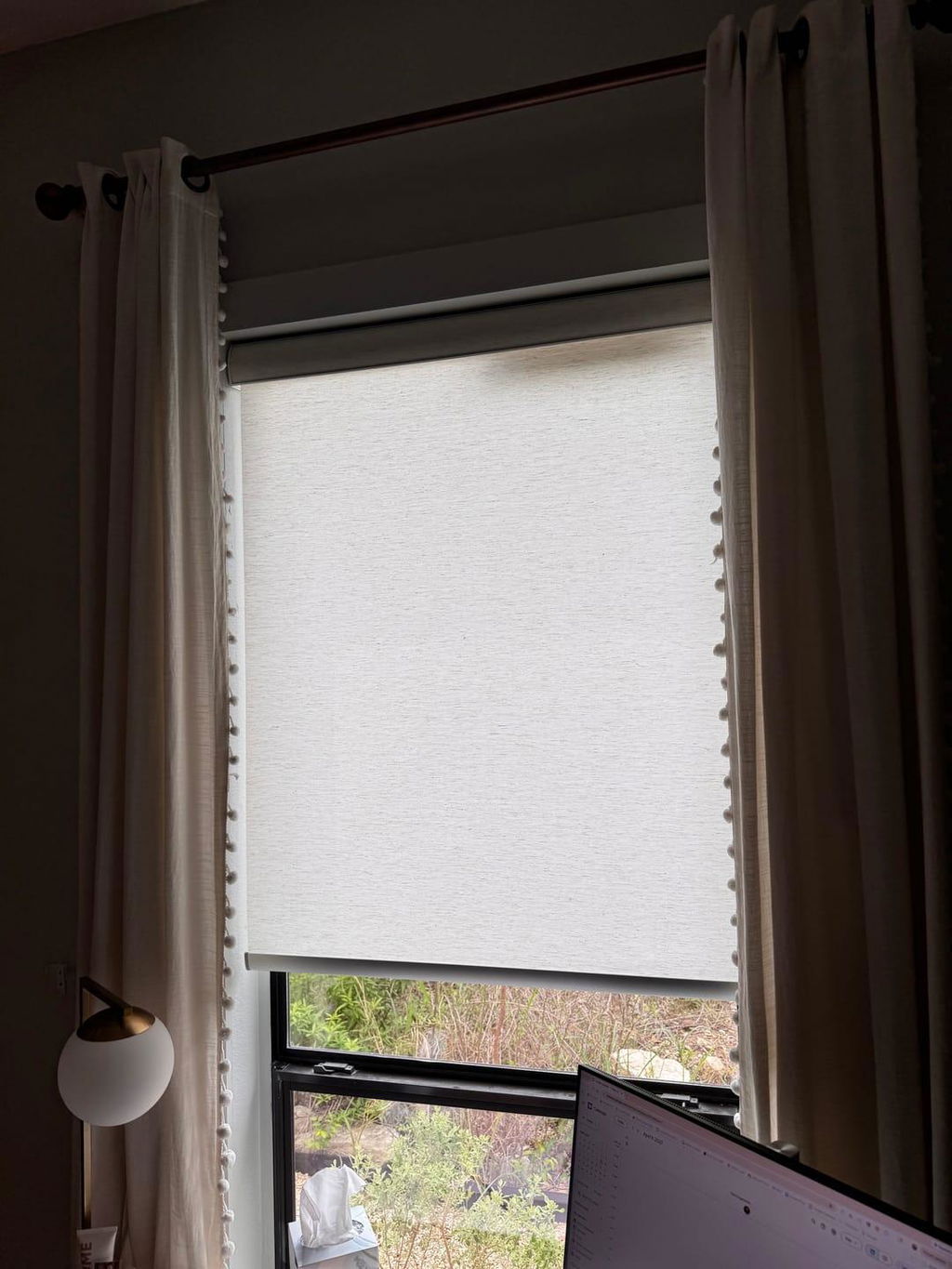
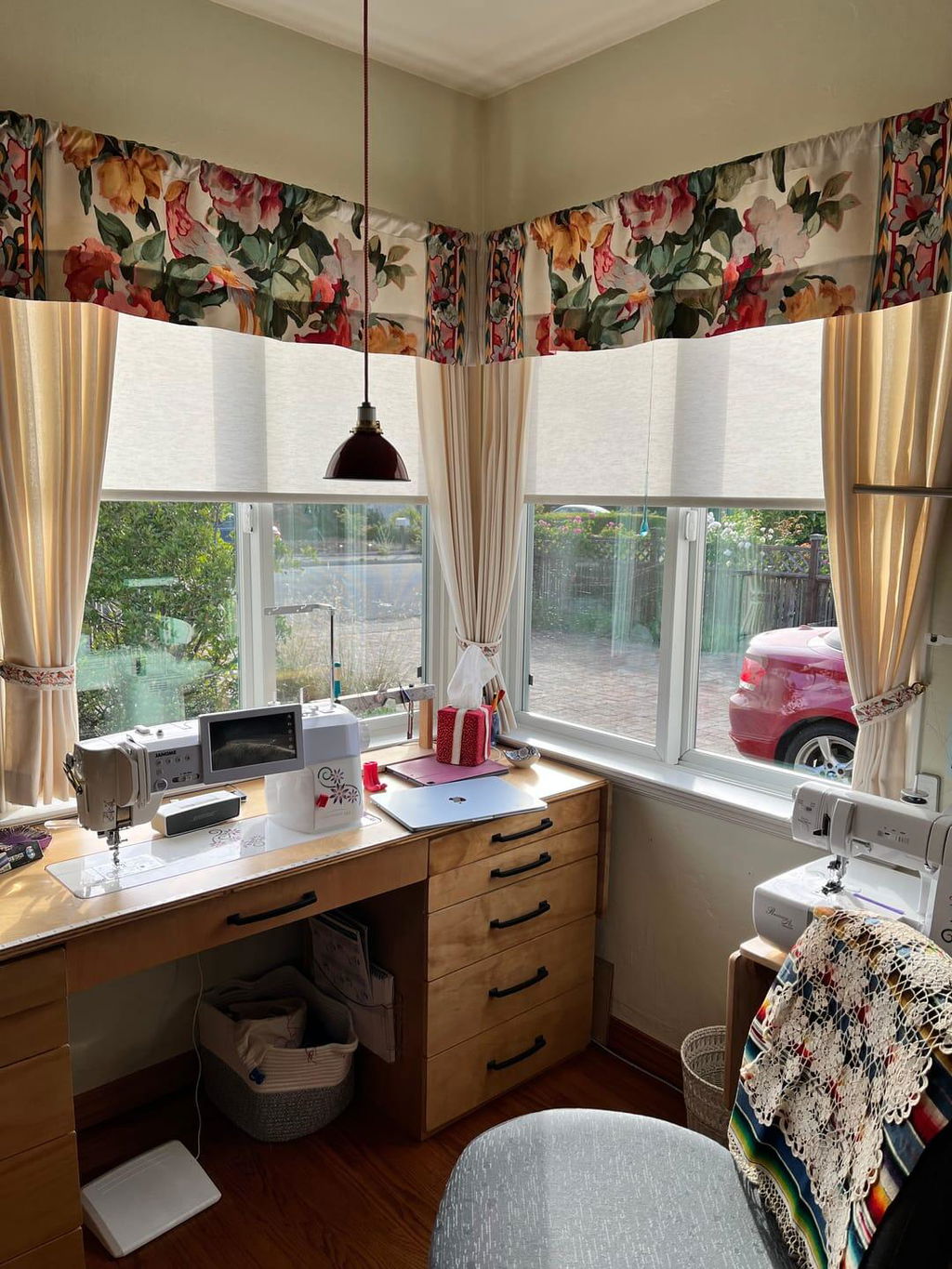
A single woven shade on its own can sometimes feel a bit 'thin' in a room with high ceilings. The secret to making it look like a high-end design choice is layering. I love mounting a textured shade inside the window frame and then flanking the window with heavy, 100% linen drapes. This combination of the hard, organic texture of the shade and the soft, flowing fabric of the curtain creates a depth that a single treatment just can't match.
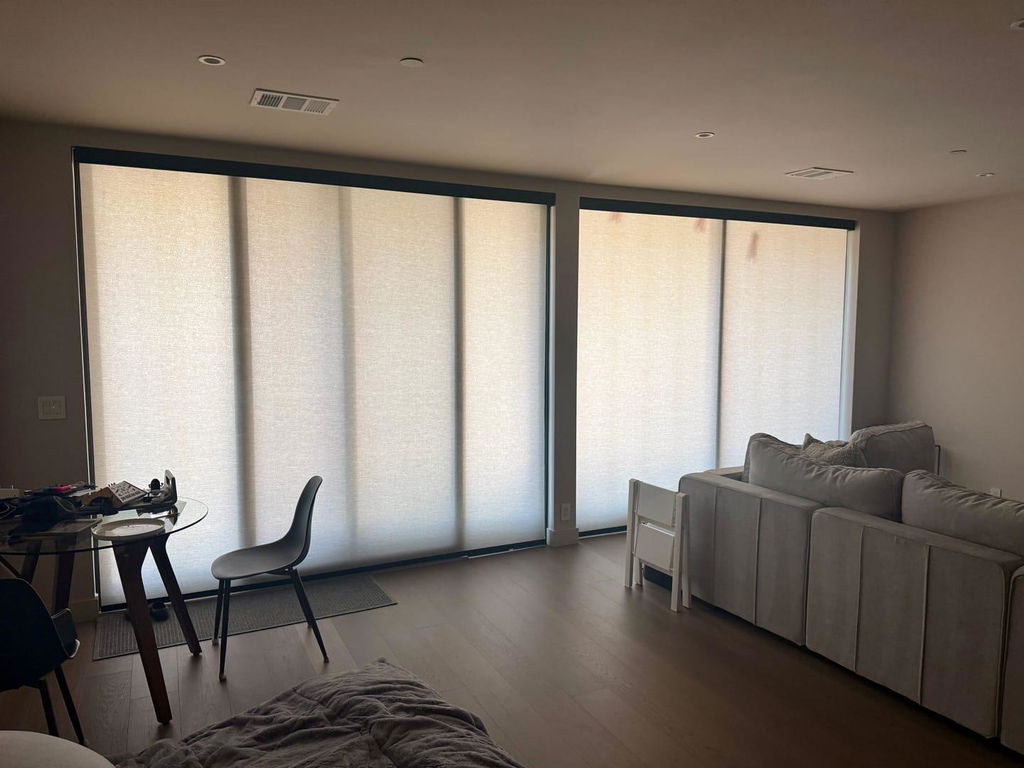
If you’re worried about light control, don’t just buy a thicker shade. I prefer using a minimalist collection of roller shades as a base layer. You can actually install a motorized dual roller shade setup where one layer is your beautiful natural weave and the hidden back layer is a blackout fabric. This gives you the organic aesthetic during the day and total privacy at night without the bulk of two separate mounting brackets sticking four inches off your wall.
Nailing the Hardware and Mount
Cheap hardware is a dead giveaway for a casual shade. If your 'natural' blind comes with a plastic white cord and a clunky metal cleat, it's going to drag down the room. For a formal space, you want a continuous metal bead chain in a finish that matches your room’s accents—think oil-rubbed bronze or brushed brass. Better yet, hide the mechanism entirely with a sleek cassette valance covered in the same woven material.
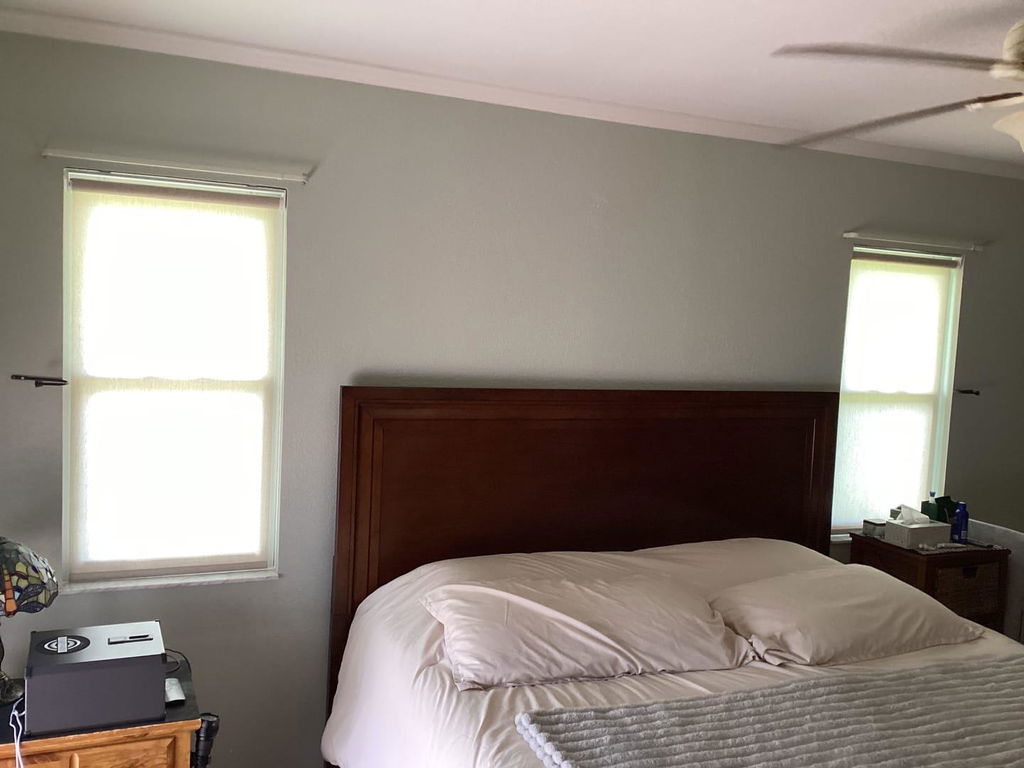
The mount matters, too. An inside mount is almost always more formal because it highlights the window's architecture. However, if your windows are shallow, don't force it. A clean outside mount that sits two inches above the trim can actually make your windows look much larger than they are. When you invest in custom window shade solutions, you get to decide exactly where that shade starts and ends, ensuring the proportions feel balanced with your furniture.
My Personal Design Lesson
I once ordered a set of unlined, 'natural' seagrass shades for a dining room. When they arrived, they were so green they smelled like a freshly mowed lawn. Worse, when the sun hit them at 4 PM, they turned a weird, sickly yellow that made the expensive grey paint on the walls look like mud. I learned the hard way: always order samples and hold them up against your wall at different times of day. Natural materials are 'alive' in terms of color, and you need to see how they react to your specific light before you commit to the whole house.
FAQ
Do woven shades provide enough privacy?
On their own, most natural weaves are 'light filtering,' meaning people can see shapes and shadows at night. If privacy is a concern, you must add a privacy or blackout liner to the back of the shade. This also protects the natural fibers from sun damage.
How do you clean natural woven shades?
Don't use water or harsh chemicals. A vacuum with a brush attachment is your best friend. For stubborn dust trapped in the weave, a soft-bristled paintbrush works wonders to flick debris out of the crevices.
Will they fade in the sun?
Yes, natural materials like bamboo and jute will 'mellow' or fade over time when exposed to direct UV rays. I actually think they look better as they age, but if you want to keep the original color, a UV-protective liner is a must.