Are Heat Blocking Blinds Worth It for South-Facing Windows?
I remember the first time I lived in a place with 'great light.' It was a third-floor walk-up with floor-to-ceiling south-facing windows and a view that made the rent hike feel reasonable. By late June, however, the romance was dead. By 2 PM, my living room felt like a pizza oven, and my vintage velvet sofa was literally hot to the touch. I tried the usual fixes—heavy drapes and even a desperate attempt with some cheap vinyl slats—but nothing worked until I got serious about heat blocking blinds.
Quick Takeaways
- Solar gain turns glass into a radiator; you need a reflective barrier to stop it.
- Standard blackout curtains often absorb heat rather than reflecting it, creating a hotbox effect.
- Cellular shades offer superior insulation due to their honeycomb air pockets.
- Solar shades with 1-3% openness preserve your view while cutting significant UV heat.
- An inside mount is crucial for a tight thermal seal against the window frame.
The Greenhouse Effect Happening in Your Living Room Right Now
When we talk about heat, we are really talking about solar gain. Your windows are effectively giant magnifying glasses. Short-wave radiation from the sun passes through the glass and hits your floors, your rugs, and your skin. Once inside, that energy is absorbed and re-radiated as long-wave infrared heat. Because glass is a one-way street for this kind of energy, the heat gets trapped. This is why your AC unit is screaming at 4 PM while you are sitting in a pool of sweat despite having the 'best' curtains money can buy. You need heat blocking blinds for windows that address the radiation before it turns into ambient heat.
Bare glass is a thermal disaster. Even high-end double-pane windows can only do so much against direct afternoon sun. To truly manage the temperature, you need heat blocking window shades that act as a primary shield. Without a specific material designed for heat reduction, you are just waiting for the laws of physics to turn your home into a sauna. I’ve seen beautiful rooms become unusable for four hours a day simply because the owner didn't want to 'block the light.' The irony is that with the right heat blocking window blinds, you can keep the light while ditching the feverish temperatures.
The goal is to stop the sun's rays from ever touching your interior surfaces. Once your hardwood floor gets hot, it stays hot for hours after sunset. By installing heat blocking window coverings, you create a buffer zone. It is about managing the 'U-value' and 'Solar Heat Gain Coefficient' (SHGC). If those terms sound like a high school physics test, don't worry—all you need to know is that your window treatment should be the first line of defense, reflecting that energy back outside before it has a chance to settle in your rug fibers.
Why Your Blackout Curtains Are Just Acting Like a Blanket
We have all been there: buying the thickest, heaviest velvet or polyester blackout drapes we can find, thinking they will keep the room cool. It seems logical. If it blocks light, it must block heat, right? Wrong. Most dark-colored curtains actually absorb solar energy. If you walk over to your closed curtains on a hot afternoon and touch the fabric, you will likely find it is scorching. That fabric is now a 96-inch radiator hanging in your room. This is why standard drapes often fail as blinds to keep heat out—they are just trapping the heat against the glass and then slowly leaking it into your living space all evening.
The best window covering to keep heat out isn't necessarily the thickest one; it is the one with the most reflective backing. Think about those silver sunshades people put in their car windshields. They aren't thick; they are reflective. When looking for window blinds to keep heat out, you want something with a white or silver 'to-the-street' side. This reflects the light back through the glass before it can be converted into heat. If you insist on heavy drapes for the aesthetic, you absolutely must pair them with window shades to reduce heat underneath to do the heavy lifting.
I once worked with a client who had gorgeous navy blue linen drapes in a sunroom. They looked like a magazine cover, but the room was 85 degrees by noon. We swapped the standard lining for a specialized thermal material and added blinds for heat reduction behind them. The difference was nearly 12 degrees. It turns out, window blinds keep heat out much more effectively when they aren't trying to be a decorative blanket. Stop relying on bulk and start looking at reflective properties. Your energy bill—and your sweat glands—will thank you.
Heat Blocking Blinds vs. Solar Shades: What's the Difference?
If you are hunting for cooling blinds, you will likely end up choosing between cellular (honeycomb) shades and solar roller shades. Cellular shades are the champions of insulation. Their unique honeycomb shape creates pockets of trapped air that act as a barrier between the hot glass and your room. In the summer, these are excellent heat resistant blinds because they physically prevent the transfer of heat. They are also fantastic blinds that keep heat in during the winter, making them a year-round investment for temperature control.
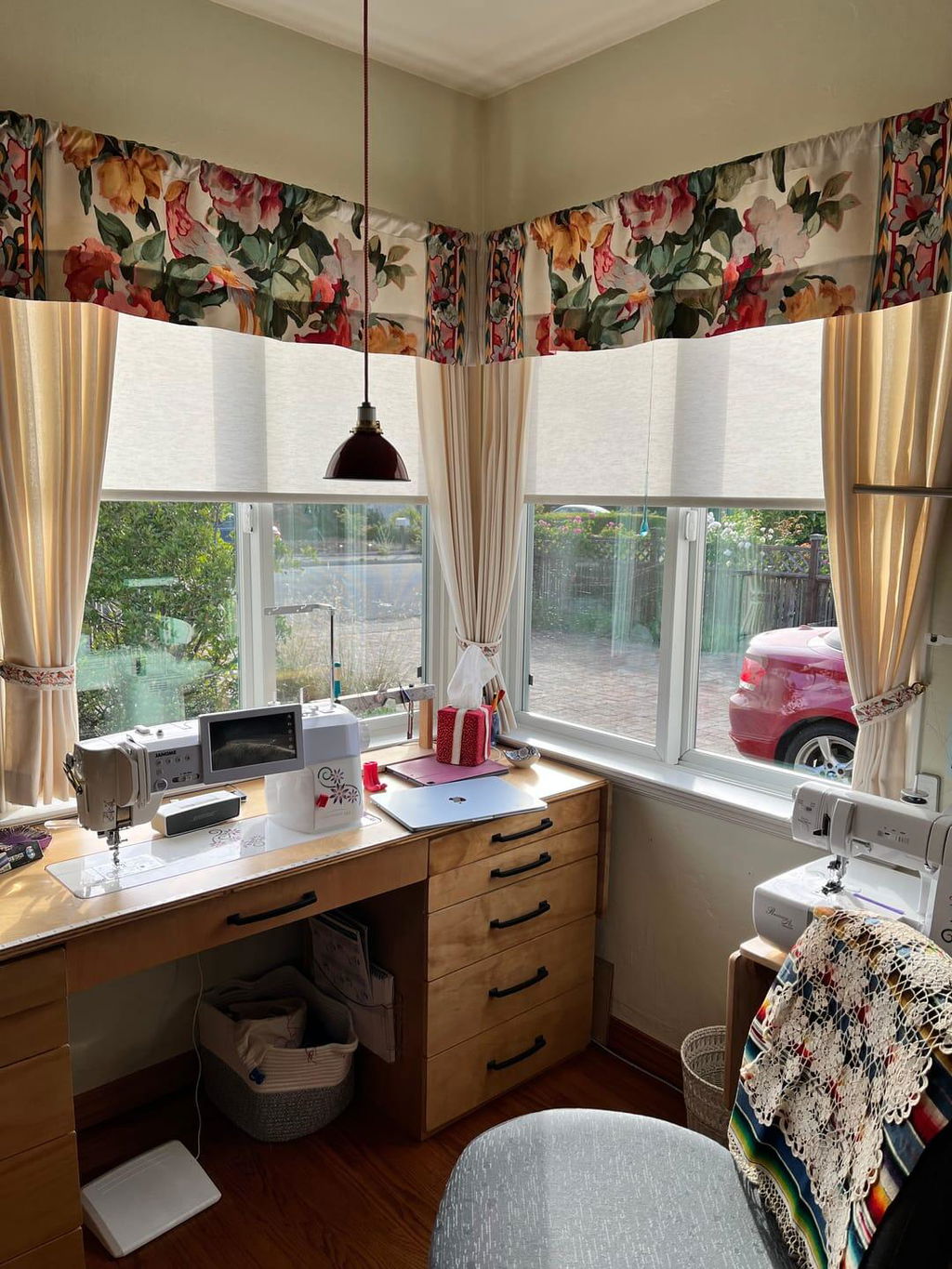
On the other hand, if you don't want to lose your view of the garden or the city skyline, you want best solar shades for blocking heat. These are made from a tech-heavy mesh—usually a blend of PVC-coated polyester or fiberglass. They come with 'openness factors' ranging from 1% to 10%. A 1% openness factor means the weave is very tight, blocking 99% of UV rays, while a 10% weave is much more transparent. For south-facing windows, I always recommend a 3% openness. It is the sweet spot that provides heat reduction without making you feel like you are living in a cave. You can find these sleek styles in our collection of Roller Shades.
When deciding between the two, consider the 'halo effect.' This is the light that leaks around the edges of the shade. For maximum heat blocking window treatment, cellular shades usually have a tighter fit within the window frame. However, heat blocking roller shades offer a much more modern, minimal aesthetic. If your priority is window treatments to keep heat out while maintaining a high-design look, the solar shade is your best bet. Just remember that solar shades don't provide 100% privacy at night when your lights are on—they are strictly a daytime heat-management tool.
My Favorite Setup: The Double-Duty Window Treatment
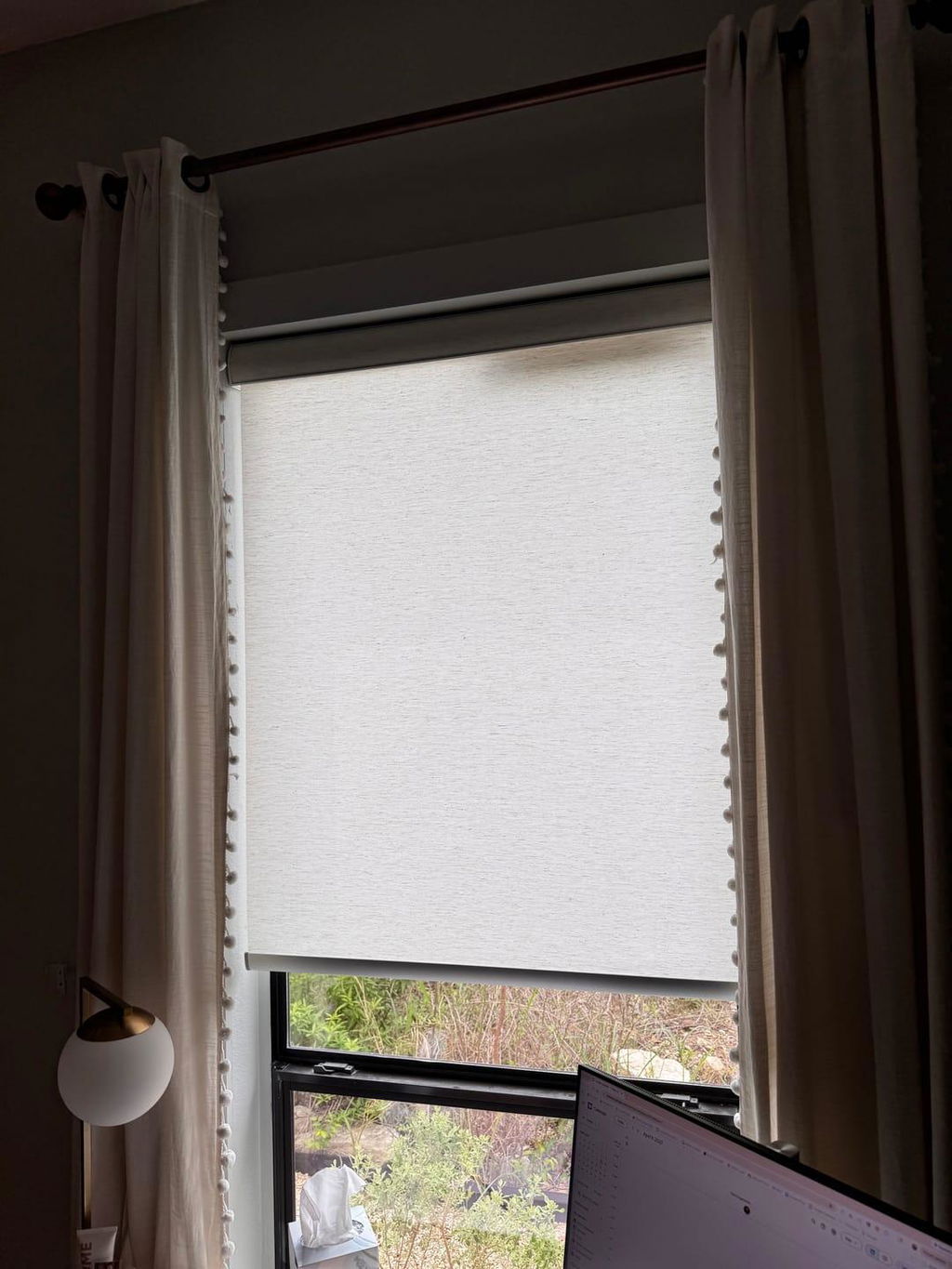
The biggest complaint I hear about sun and heat blocking window shades is the privacy issue. You want to block the sun during the day, but you don't want the neighbors seeing you watch Netflix in your pajamas at night. My go-to designer 'cheat code' is the dual-roller system. This setup uses two different fabrics on a single bracket. One layer is a 1% or 3% solar mesh for temperature control blinds during the day, and the second layer is a total blackout fabric for privacy and window shade heat block at night.
I specifically recommend the Canisteo Motorized Dual Roller Shades for this exact scenario. Being able to hit a button and have your heat-blocking layer drop as the sun hits its peak is a total life-saver. It removes the 'chore' of window management. You get the best window treatment to keep heat out during the punishing 3 PM sun, but you can retract it once the golden hour hits and you want that soft, orange glow. It’s the ultimate window cover to reduce heat without committing to a static, dark room.
Layering also allows you to play with textures. You can have a very functional, technical heat blocking shade hidden behind a beautiful, airy linen sheer. The sheer softens the look of the room, while the blinds to block out heat do the actual work. This is how you avoid the 'office building' look that many people fear when they hear the term 'solar shade.' It’s about building a system of window treatments to block sun and heat that works for your lifestyle, not just your thermometer.
What About the Balcony or Patio Doors?
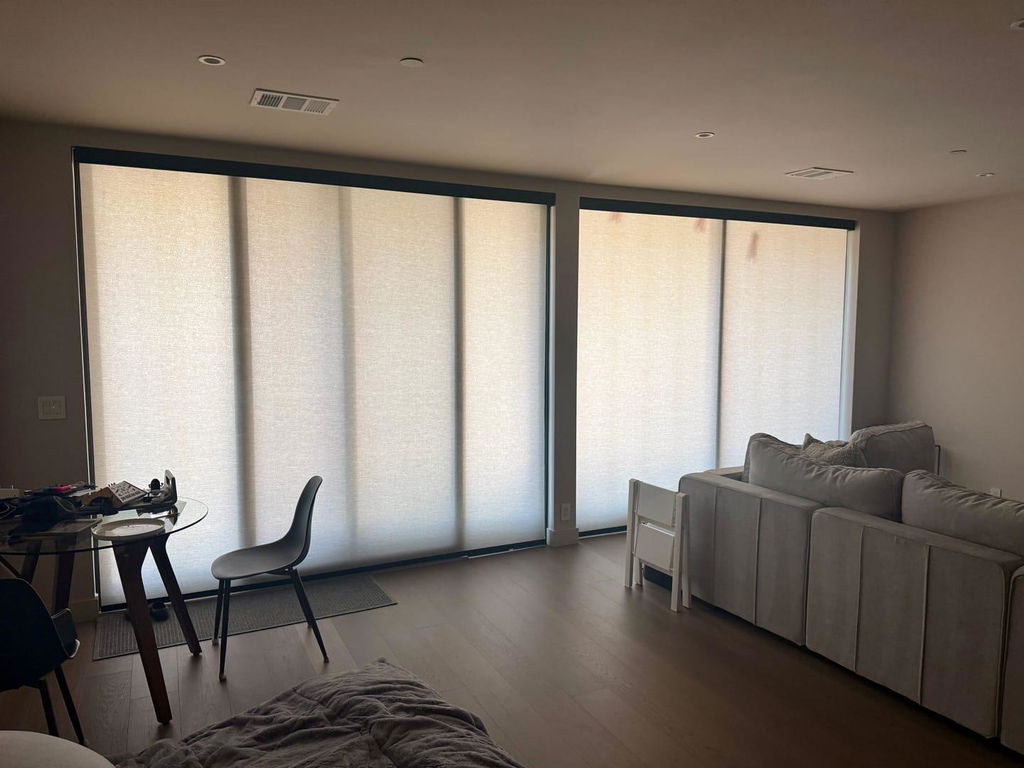
Massive expanses of glass, like sliding balcony doors, are the biggest culprits for heat gain. Most people default to vertical plastic blinds that clack around in the wind and look like a 1990s dental office. Please, don't do that. When you are looking for window blinds that block out heat for large doors, you need scale and durability. Large-format solar rollers or sliding cellular panels are much better window coverings for heat reduction because they offer a clean, continuous barrier against the sun.
For those in tight urban environments, you also have to balance heat with privacy. If you’re struggling with this, check out our guide on The 3 Best Window Blinds for Balcony Privacy in Tight City Apartments. It covers how to handle these awkward, large-scale glass surfaces without sacrificing your style. Remember, window covers for heat on a patio door need to be easy to operate; if they are a pain to open and close, you won't use them, and your room will stay hot. Look for cordless or motorized options that make heat control blinds a seamless part of your daily routine.
I’ve found that best heat blocking shades for doors are often those that can be mounted outside the frame to cover the entire opening, including the gaps where heat usually leaks in. If you have a Juliet balcony or a sliding door, shades that keep heat out need to be robust. Look for fabrics with a high 'colorfastness' rating so they don't fade after one season of intense sun exposure. A high-quality window shade to keep heat out should look as good in year five as it did on day one.
The Not-So-Scary Truth About Installing Them Yourself
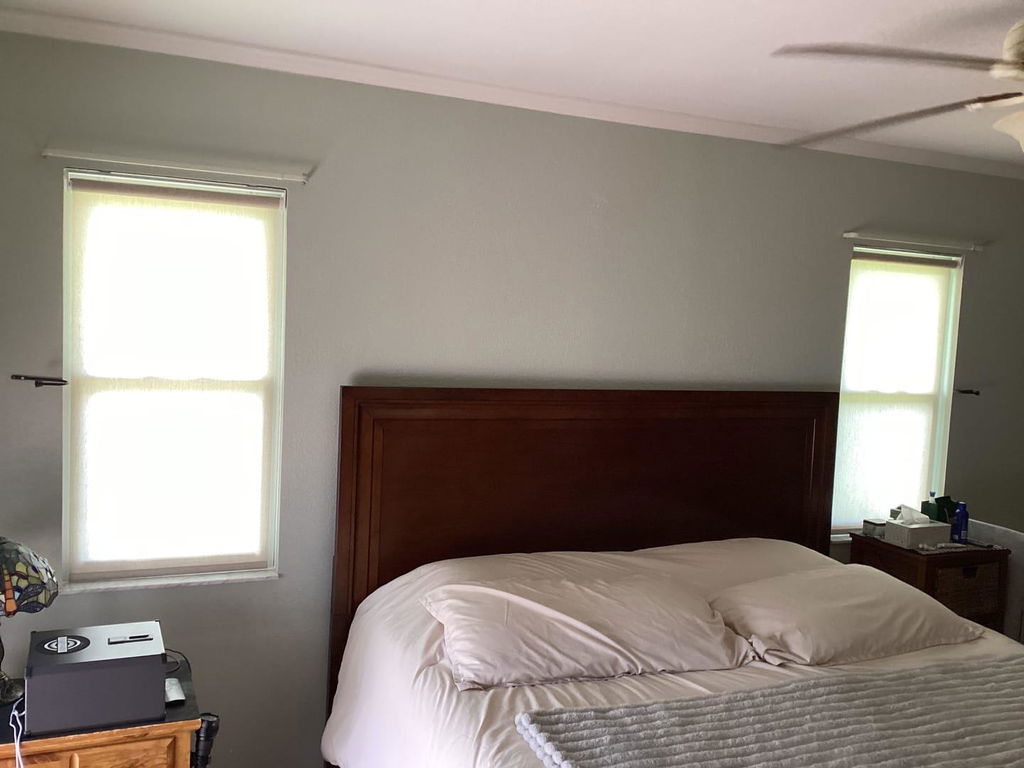
Many people shy away from best blinds for blocking heat because they think the installation requires a professional contractor. In reality, the most important part of the process happens before you even pick up a drill: the measurement. For blinds to block heat effectively, they need to be as close to the glass as possible. This is why I almost always recommend an 'inside mount.' By tucking the shade inside the window casing, you minimize the gaps where hot air can circulate. It creates a much more effective thermal seal than an outside mount that sits several inches away from the pane.
If you are worried about the technical side, take a look at our instructions on How To Install Your Shades. It’s a lot simpler than you think. The key to window blinds to keep heat in (or out!) is ensuring the fit is snug. A gap of even half an inch can allow a surprising amount of heat to bypass your best heat blocking blinds. When I installed my first set of thermal blinds for summer, I was terrified of drilling into my window trim, but once the first bracket was up, the rest took twenty minutes. The immediate drop in temperature made the slight DIY anxiety totally worth it.
Don't forget that window treatments for heat reduction only work if they are installed correctly. If you have an older home with wonky, non-square windows, you might need to use small shims to get your window shade to block heat perfectly level. A level shade operates smoother and lasts longer. Taking the time to do a precise install ensures your best window treatment for heat reduction actually performs the way it was engineered to. You aren't just hanging a decoration; you are installing a piece of climate-control technology.
Personal Experience: The 5% Mistake
I once lived in a studio with a massive west-facing window that looked out over the city. I thought I was being smart by ordering 5% openness solar shades. I wanted to see the sunset! What I didn't realize is that 5% still lets in a significant amount of 'felt' heat. Every afternoon, I’d have to move my laptop to the kitchen table because the glare and the heat coming through that 5% weave were still too much. I eventually swapped them for a 1% weave in a cool grey tone. I could still see the silhouette of the buildings and the colors of the sky, but the physical heat dropped by what felt like ten degrees. It was an expensive lesson in 'openness factors,' but it taught me that when it comes to sun and heat blocking blinds, sometimes less (openness) is definitely more.
FAQ
Do heat blocking blinds actually work in the winter?
Yes! Especially cellular shades. They work by creating an insulating air pocket. In the summer, this keeps the heat from entering; in the winter, it prevents the warm air inside your home from escaping through the cold glass. They are truly the best temperature control blinds for year-round efficiency.
Can I still see outside with heat blocking shades?
If you choose solar shades with a 1%, 3%, or 5% openness factor, yes. You will maintain a 'screened' view of the outdoors. If you choose cellular shades or solid roller shades, you will not be able to see through them when they are closed. Most people find 3% to be the perfect balance for window shades that reduce heat without losing the view.
Are heat blocking blinds hard to clean?
Not at all. Most heat resistant window coverings are made from synthetic materials like PVC or polyester, which can be easily wiped down with a damp cloth and mild soap. Unlike heavy drapes, they don't trap dust and allergens nearly as much, making them a lower-maintenance option for busy homes.