Are Fancy Window Shades Worth the Splurge Over Basic Big-Box Blinds?
I remember finishing my first real living room renovation. I had spent six weeks obsessing over the exact shade of 'greige' for the walls and sourcing a vintage velvet sofa that cost more than my first car. But when I hung those $20 white plastic slats from the hardware store, the whole room died. It looked like a temporary rental, not a curated home. It was the moment I realized fancy window shades aren't just a luxury—they are the architectural bones of a finished space.
- Fabric Weight: High-end shades use 300gsm+ textiles that hang straight without curling at the edges.
- Hardware: Metal components and fabric-wrapped cassettes hide the 'guts' of the window treatment.
- Light Control: Custom fits mean zero light-leak gaps on the sides of the frame.
- Longevity: Motorized and high-tension cordless systems last a decade, not a season.
The Moment I Realized Basic Blinds Weren't Cutting It Anymore
We’ve all been there. You’ve spent thousands on the flooring and the furniture, but the windows are an afterthought. I used to think a blind was just a utility—something to keep the neighbors from seeing me eat cereal at 11 PM. Then I visited a client who had invested in custom-fitted, weighted Roman shades. The way the light filtered through the heavy linen weave changed the entire temperature of the room.
Cheap blinds have a specific, sharp 'clack' when they hit the sill. They feel flimsy, and the cords always seem to tangle into a bird's nest within the first month. When you switch to fancy window shades, you aren't just paying for the name; you're paying for the silence and the substance. The first time I pulled down a perfectly tensioned shade that glided like a luxury car door, I knew I could never go back to the plastic wands and fraying strings of my twenties.
What Actually Makes Fancy Window Shades Look So Expensive?
The difference is tactile. If you touch a standard big-box blind, it feels like paper or thin, brittle vinyl. In contrast, high-quality roller shades are often made from woven technical fabrics or heavy-duty linen blends that have a distinct 'hand.' They don't just block light; they add a layer of texture to the wall that mimics the richness of a high-end wallcovering.
Then there is the 'edge curl' factor. Low-end shades are laser-cut from thin sheets that eventually lose their shape, bowing inward like a dried leaf. High-end versions use heat-sealed edges or side channels to ensure the fabric stays perfectly flat for years. These are the details that elevate fancy shades from a mere window covering to a piece of custom millwork. You’re looking for a fabric that doesn't fray at the bottom and a hem bar that has enough weight to keep the shade taut even when a summer breeze hits it.
The Magic of a Perfectly Wrapped Valance
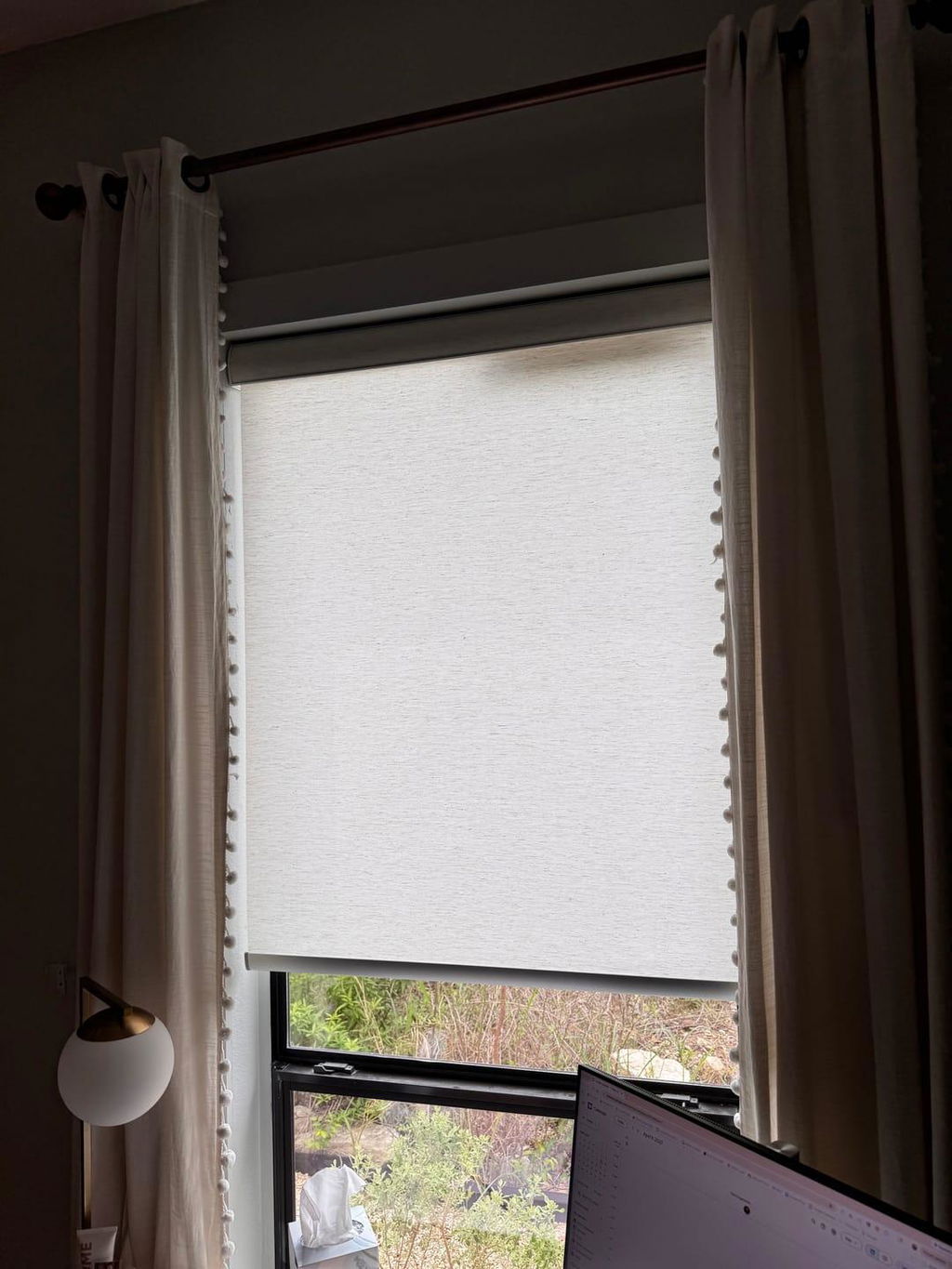
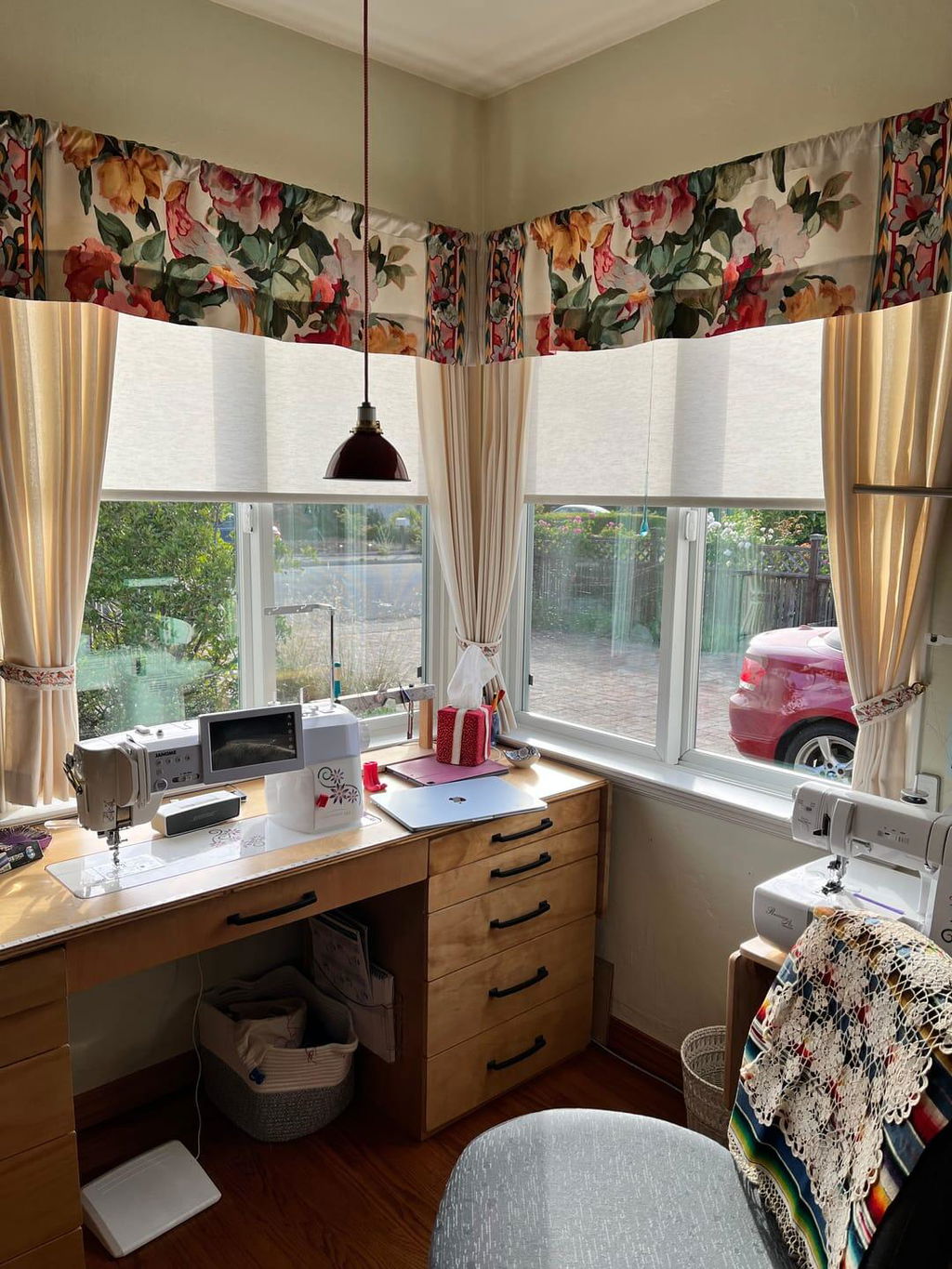
Nothing screams 'budget' like an exposed metal roll at the top of your window. It looks unfinished, like wearing a tuxedo with sneakers. Fancy blinds solve this with a fabric-wrapped cassette or a sleek architectural fascia. This small box hides the roll and the brackets, creating a clean line that integrates with your window trim. It’s a 3-inch detail that makes the difference between a 'product' and a 'design feature.'
Are Fancy Blinds for Windows Necessary in Every Single Room?
I’ll be honest: you don't need to drop a mortgage payment on shades for your laundry room or the guest bathroom that no one uses. I always tell my clients to 'tier' their window budget. Spend the bulk of your money in the primary bedroom and the living room. These are the high-traffic zones where you actually interact with the hardware every day.
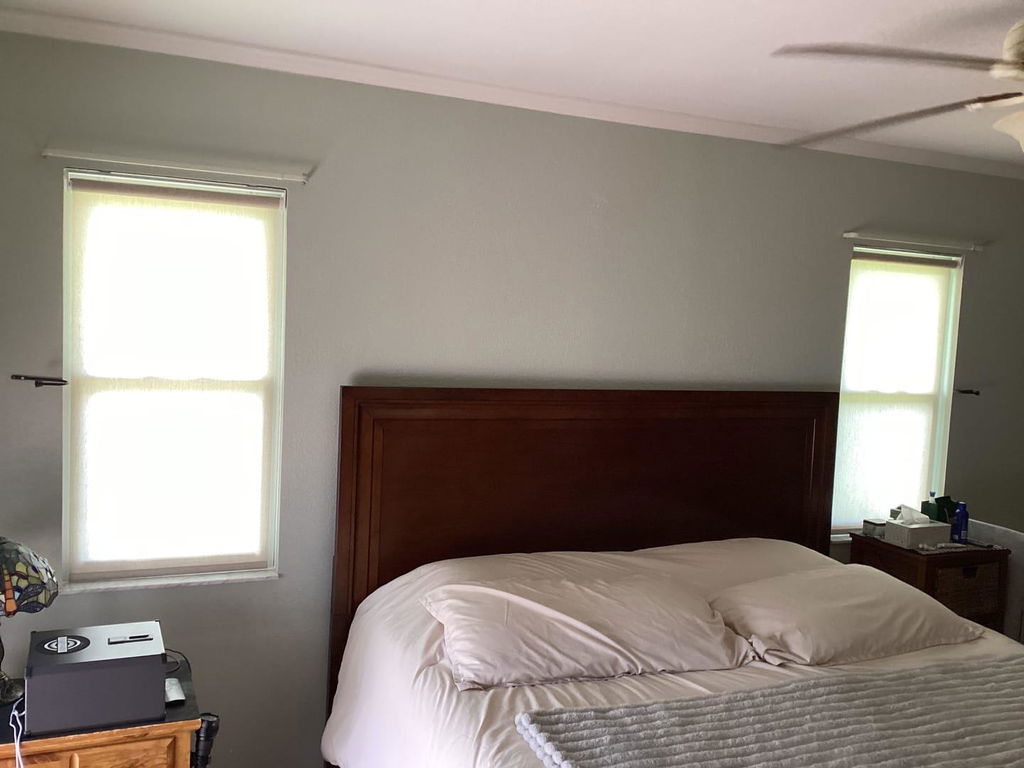
In a primary bedroom, I almost always specify versatile day night shades. You get a sheer layer that kills the glare on your TV during the afternoon, and a blackout layer for actual sleep. Trying to achieve that with basic hardware usually results in a clunky, double-bracket mess that sticks out four inches from the wall. Fancy blinds for windows are designed to be low-profile, packing dual functionality into a single, slim footprint.
The Hidden Hardware Upgrades I Always Specify
The 'luxury' part of a shade is often what you can’t see. Cheap spring-loaded blinds are a gamble—you pull them down, and they either fly back up like a cartoon or get stuck halfway. High-end hardware uses precision-engineered tension. It’s the difference between a squeaky screen door and a soft-close kitchen drawer.
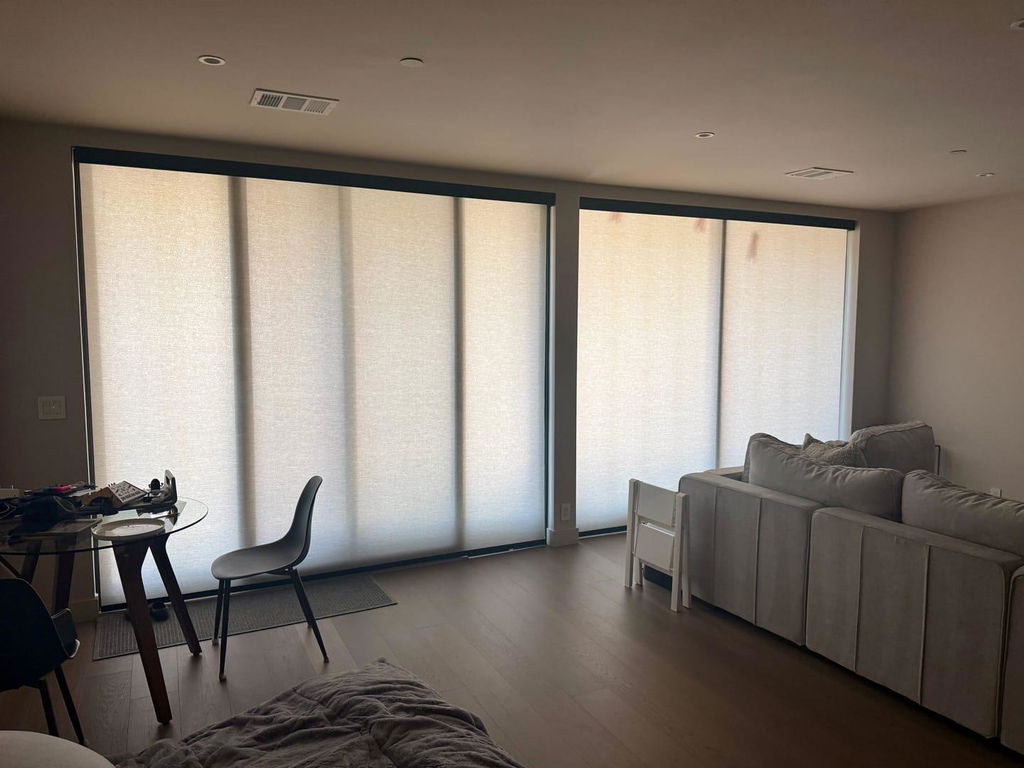
If you really want to lean into the splurge, go motorized. I used to think it was lazy until I installed custom double roller blinds in a room with high ceilings. Pressing a button to watch two layers of fabric descend in total silence is a genuine 'wow' moment. It’s not just about the tech; it’s about the lack of cords dangling in your view, which keeps the aesthetic clean and, more importantly, keeps the space safe for kids and pets.
How To Style Fancy Shades for Windows So They Don't Look Isolated
The biggest mistake I see is a high-end shade sitting all alone on a giant wall. Even the most fancy shades for windows can look a bit 'naked' if the room has high ceilings or cold architecture. My secret? Layer them. I love pairing a structured roller shade with stationary, non-functional drapery panels on the sides. This softens the 'boxiness' of the window and adds a vertical line that makes your ceilings feel a foot taller.
I remember a project where the living room felt flat and echoing. We swapped the old aluminum slats for decorative window treatments with a subtle herringbone texture and added floor-to-ceiling velvet panels. The room instantly felt 'dressed.' The shades handled the light, and the drapes handled the mood. It turned a cold glass box into a sanctuary.
My Final Verdict on the Luxury Upgrade
Is it a splurge? Yes. But window treatments are one of the few home upgrades you touch and see every single day. I once tried to save $400 by ordering 'lookalike' shades for a guest room, and I regretted it within a week. The fabric was thin, the color was slightly 'off-white' (which looked yellow against the trim), and they rattled whenever the AC kicked on. If you care about the 'feel' of your home, invest in the quality. You'll forget the price tag long before you get tired of how good they look in the morning light.
FAQ
Do custom shades really fit better than 'cut-to-size' store blinds?
Absolutely. Store-bought blinds are usually cut with a 1/2 inch tolerance, leaving big light gaps. Custom shades are measured to the 1/8th of an inch, providing a much tighter, professional-looking fit.
Are motorized shades hard to maintain?
Not anymore. Most modern versions use rechargeable lithium-ion batteries that only need a plug-in once or twice a year. No wiring behind the walls is required.
Can I install fancy window shades myself?
If you can level a shelf and use a drill, you can install them. The key is the measurement phase—if your measurements are perfect, the installation takes ten minutes per window.