Are Blackout Sheer Blinds the End of Layered Bedroom Drapes?
I remember the first time I tried to force a 'hotel look' in my first studio apartment. I bought ten yards of heavy 300 gsm velvet and three panels of sheer voile, thinking it would make the place feel like a suite at the Bowery. Instead, the double-rod setup protruded five inches from the wall, and I kept hitting my shoulder on the brass finial every time I walked to the kitchen. It was too much fabric for too little floor. That was the moment I realized that blackout sheer blinds aren't just a modern alternative—they are a spatial necessity.
- Save up to 6 inches of floor depth compared to double-rod drapery.
- Get precise light control with alternating translucent and opaque bands.
- Eliminate the 'dust-trap' effect of heavy, floor-pooling fabrics.
- Achieve a tailored, architectural look that suits modern window frames.
The Spatial Problem With the Traditional 'Layered Window' Look
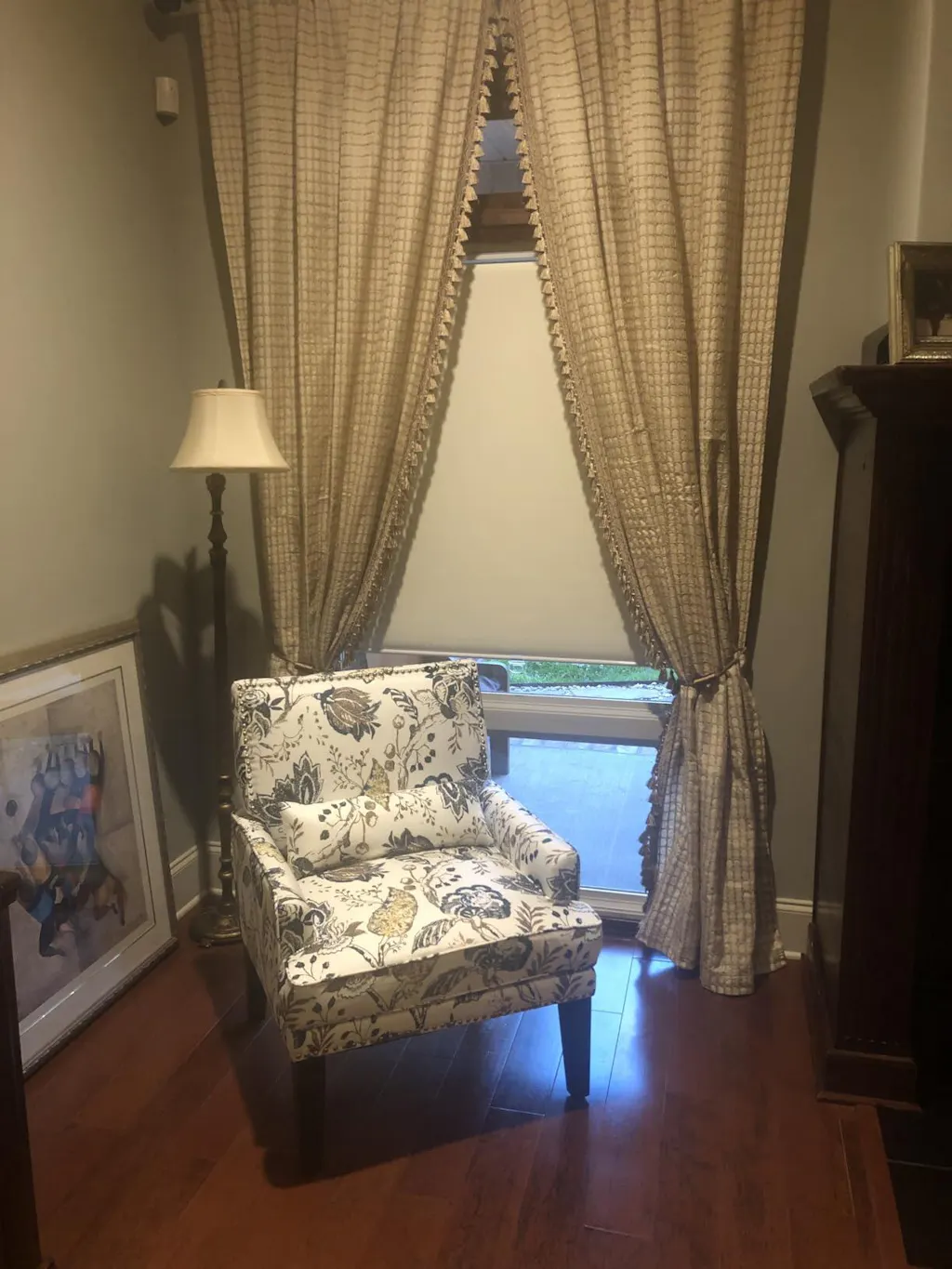
We have been told for decades that the 'correct' way to dress a window is with layers: a sheer for daytime privacy and a heavy drape for nighttime darkness. In a sprawling primary suite with ten-foot ceilings, that 2.5x fullness looks lush. But in a real-world bedroom where the nightstand is squeezed right against the window trim, those layers become a nuisance. They bunch up behind the furniture, get dusty, and make a small room feel claustrophobic.
When you have a bed frame or a desk sitting flush against the wall, you simply don't have the clearance for a double bracket system. I have seen countless people try to jam heavy linen panels into tight corners, only to have the fabric hang crooked because it’s resting on the edge of a dresser. This is where the sleek profile of blinds blackout and sheer combinations changes the math of the room entirely.
What Exactly Are Dual Cassette Systems?
Modern window tech has moved past those clunky, screechy metal rollers from the 90s. Today, we have dual cassette systems that house two separate fabrics in one remarkably slim headrail. It is a 'one and done' installation. Instead of drilling two sets of brackets and balancing two heavy rods, you mount one sleek unit that handles both your privacy and your sleep hygiene. This is why I use double roller blinds in almost every tight-squeeze renovation I consult on.
These systems allow you to toggle between a screen-like fabric that kills the glare on your laptop and a solid, light-blocking fabric that tells your brain it is time to sleep. By integrating both functions into a single mechanism, you reclaim the visual 'breathing room' around your window frame.
Why I Prefer the Banded Look Over Traditional Rollers
If a standard flat roller feels a bit too much like a doctor's office, you need to look at zebra shades. These use alternating horizontal stripes of sheer and solid fabric. By shifting the bands, you can dial in the exact amount of light you want. It feels more like an architectural feature than a piece of laundry hanging over your glass. For a high-end finish, I usually spec motorized zebra shades 60 blackout luxe because they have a subtle sheen that catches the light without looking plastic.
The horizontal lines also have a hidden benefit: they visually widen a narrow window. While vertical drapes draw the eye up and down, these banded shades pull the eye across, making a cramped wall feel a bit more expansive.
The Magic of Getting Your Opacity Levels Right
Not all blackout fabrics are created equal. If you live in a quiet cul-de-sac, a 60% darkening shade might be enough to keep the moon out. But if you are dealing with a street lamp right outside your pillow, you need something heavier. I often recommend motorized zebra shades 85 blackout for bedrooms. At this weight, the fabric has enough density to truly kill the morning sun, but it still rolls up tightly into the cassette without creating a massive bulk at the top of your window.
How to Style Dual Shades Without Looking Like a Corporate Office
The biggest fear my clients have is that blinds will feel 'cold.' To avoid the corporate vibe, look for fabrics with a visible weave. You want a texture that mimics a high-end grasscloth or a fine linen. You can browse a collection of sheer shades to find wovens that have a bit of 'slub' in the thread—this small detail makes the light coming through feel warm and residential.
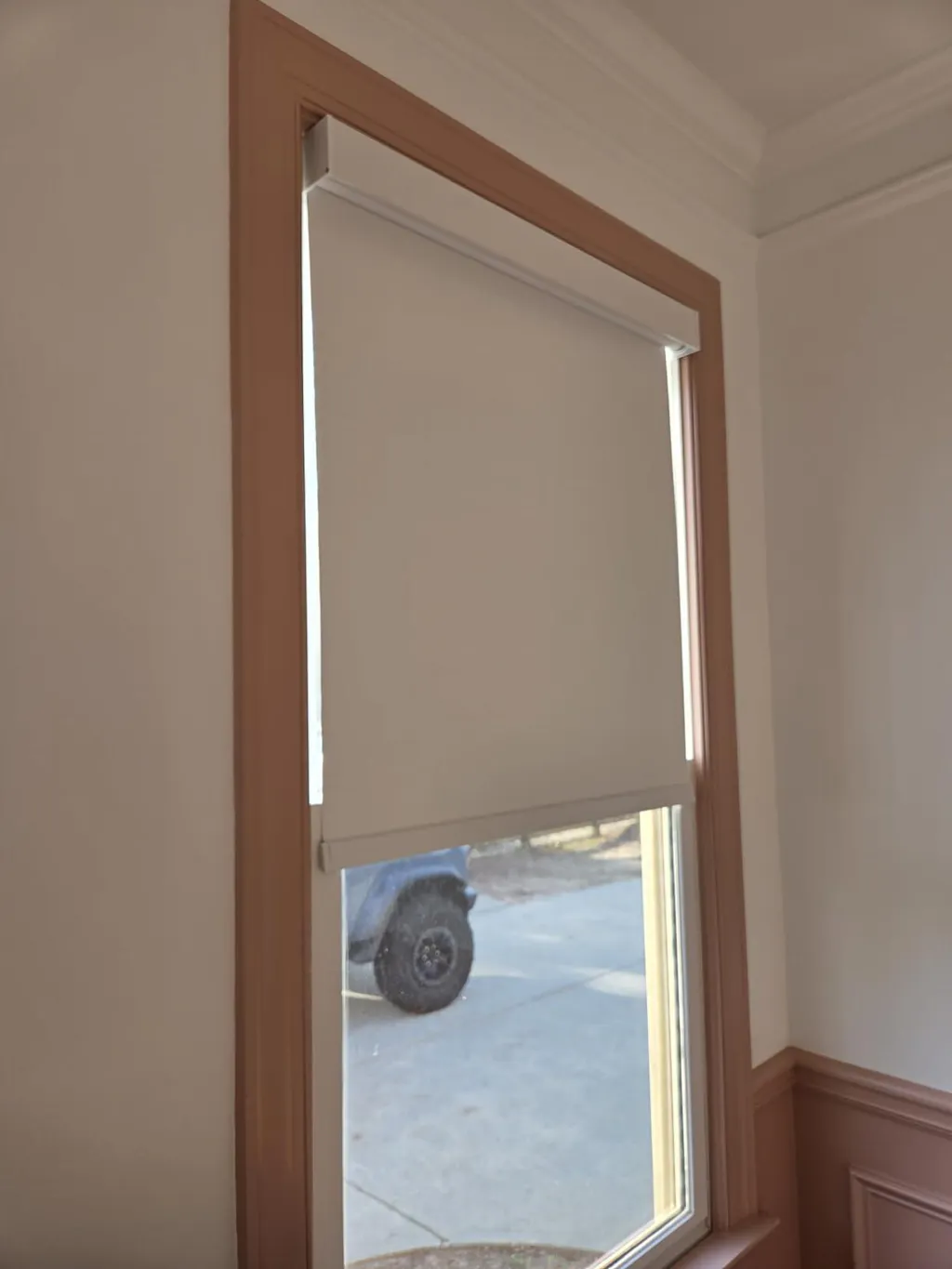
If you still miss the softness of fabric, you can mount the blinds inside the window frame and hang a single, decorative stationary panel on each side. You get the sleek function of the blind with the visual 'hug' of a textile. Just make sure your fascia—the cover that hides the roller—matches your wall color or your trim to make it disappear.
Are They Actually Good for Sleeping?
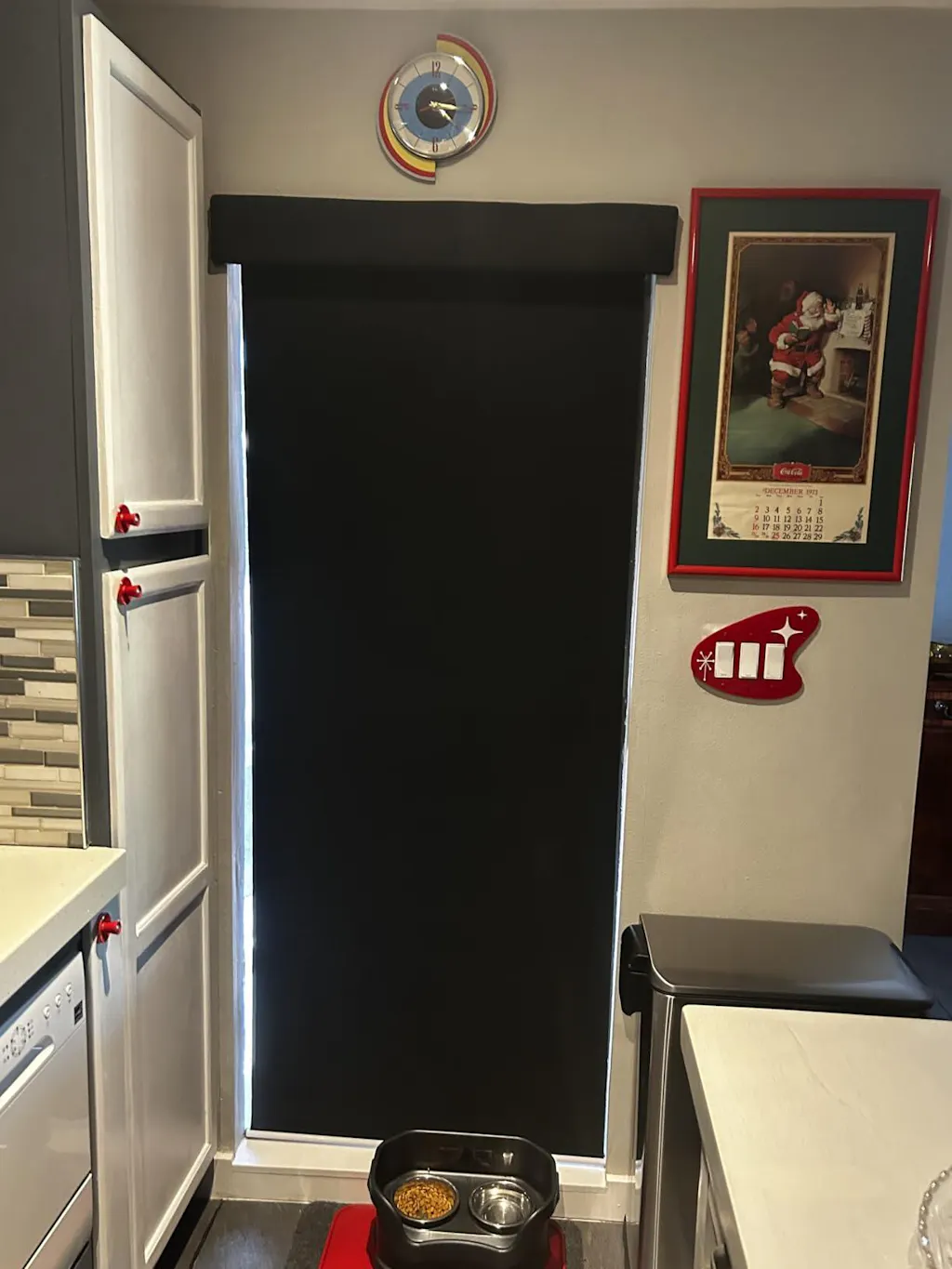
Let's be honest: no blind is a 100% light-seal unless you use side channels. You will always have a tiny 'light gap' on the edges where the fabric meets the trim. However, an outside mount (where the blind covers the entire window casing and overlaps onto the wall) solves this almost entirely. If you are a light sleeper, skip the inside mount and go wide. It is worth the extra few inches of fabric to ensure you aren't woken up by a laser beam of sun at 6 AM.
When people ask are double roller blinds sheer and blackout actually worth the splurge, my answer is usually about the longevity. I once spent $400 on custom linen drapes that shrunk two inches the first time I had them cleaned. A high-quality dual shade is polyester-based, meaning it won't shrink, won't fade as fast in the UV, and stays exactly the length you measured on day one.
FAQ
Can I install these myself?
Yes, but use a laser level. Because these have horizontal bands, if your bracket is even an eighth of an inch off, the stripes will look crooked against your window sill. Measure twice, drill once.
How do I clean zebra shades?
Avoid the washing machine at all costs. Use the brush attachment on your vacuum once a month. For spots, a damp microfiber cloth with a tiny drop of clear dish soap does the trick.
Do they work for large sliding doors?
They can, but I prefer splitting them into two or three smaller units. A single eight-foot-wide zebra shade is heavy and can strain the motor or the cord over time. Individual units give you better control over traffic flow too.