Allen Roth Roller Shades vs Cellular: What I Tell My Clients
I have spent too many Tuesday nights standing in a Lowe's aisle at 8:45 PM, clutching a frayed tape measure and staring at a wall of white boxes. You know the feeling—the mid-renovation panic where the windows are bare, the neighbors can see everything, and you need a solution that doesn't cost as much as your sofa. This is usually when homeowners reach for allen roth roller shades, hoping for that clean, custom look on a big-box budget.
But the 'off-the-shelf' route is a minefield. Pick the wrong fabric weight and your window looks like it is wearing a cheap shower curtain; pick the wrong mechanism and you are fighting a losing battle with a crooked hem every morning. I decided to put these to the test in a guest bedroom to see if they actually hold up to my 'designer' standards or if they belong in a dorm room.
Quick Takeaways
- Roller shades offer a sleeker, more modern profile but show every speck of dust.
- allen and roth cellular shades are superior for insulation and hiding minor measurement errors.
- The cordless tension is surprisingly smooth, but the plastic brackets need to be hidden with drapes.
- Blackout versions of the cellular shades outperform the roller versions in terms of side-light leakage.
Why I Decided to Test Drive Lowe's Most Popular Shades
The draw of Allen + Roth is simple: instant gratification. When you are styling a room for a shoot or moving into a new place, waiting six weeks for custom Romans isn't always an option. I wanted to see if I could take these stock items and make them look like the $400-per-window treatments I usually spec for clients. I started with the allen roth shades in a neutral gray to see how the fabric reacted to real-world light.
Most people assume that 'store-bought' means 'low quality,' but the hardware on these has improved. However, there is a distinct difference between the 'Basic' and the 'Premium' lines. If you go too cheap, you get that thin, papery feel that crinkles the first time a breeze hits it. I went for the mid-range fabric to see if it could mimic the 200 gsm weight of a high-end linen.
Unboxing the Roller Shades: Fabric Weight and Hardware
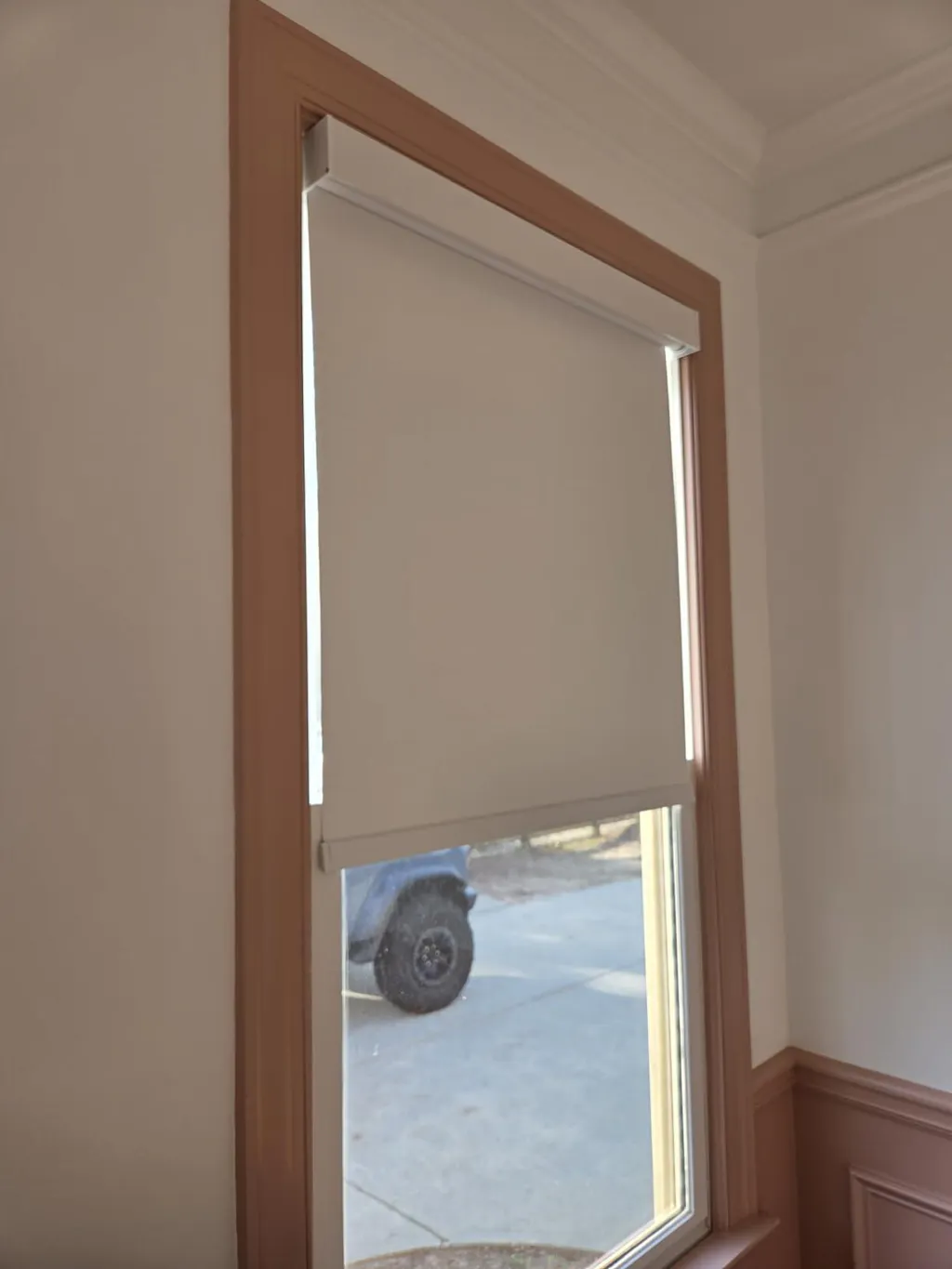
The first thing I noticed about the roller shades was the stiffness. Unlike a soft fabric shade, these have a vinyl-heavy composition to keep them from fraying. It is practical, sure, but it lacks the tactile warmth I usually want in a bedroom. The hardware is functional—brushed nickel or white plastic—but it is definitely 'budget DIY' in its raw state. The brackets are bulky, and if you mount them outside the frame, they stick out like a sore thumb.
The fabric drape is non-existent because, well, it’s a roller. It is a flat plane of color. If your window frame isn't perfectly square, these shades will highlight every architectural flaw. I noticed a slight 'telescoping' effect when I pulled the shade down too fast, where the fabric started to bunch on one side of the roll. It is a small detail, but it is the difference between a polished room and one that feels a little 'off.'
The Showdown: Roller vs. Allen and Roth Cellular Shades
When you compare the flat profile of a roller to the textured look of cellular shades, the vibe of the room changes instantly. Roller shades are for the minimalists—the people who want the window treatment to disappear. But in my experience, Cellular Shades vs Roller Shades: Which Looks Less Like a Waiting Room? is a valid question. The allen and roth cellular shades add a layer of architectural depth with those crisp, horizontal pleats.
The honeycomb design isn't just about looks; it creates a literal air pocket. I’ve read plenty of allen and roth cellular shades reviews that praise the energy efficiency, and I have to agree. In a drafty 1920s bungalow, the cellular option felt like putting a sweater on the window, whereas the roller shade felt like a thin windbreaker. If you want a room to feel 'decorated' rather than just 'covered,' the cellular pleats win every time.
The Blackout Test for Bedrooms
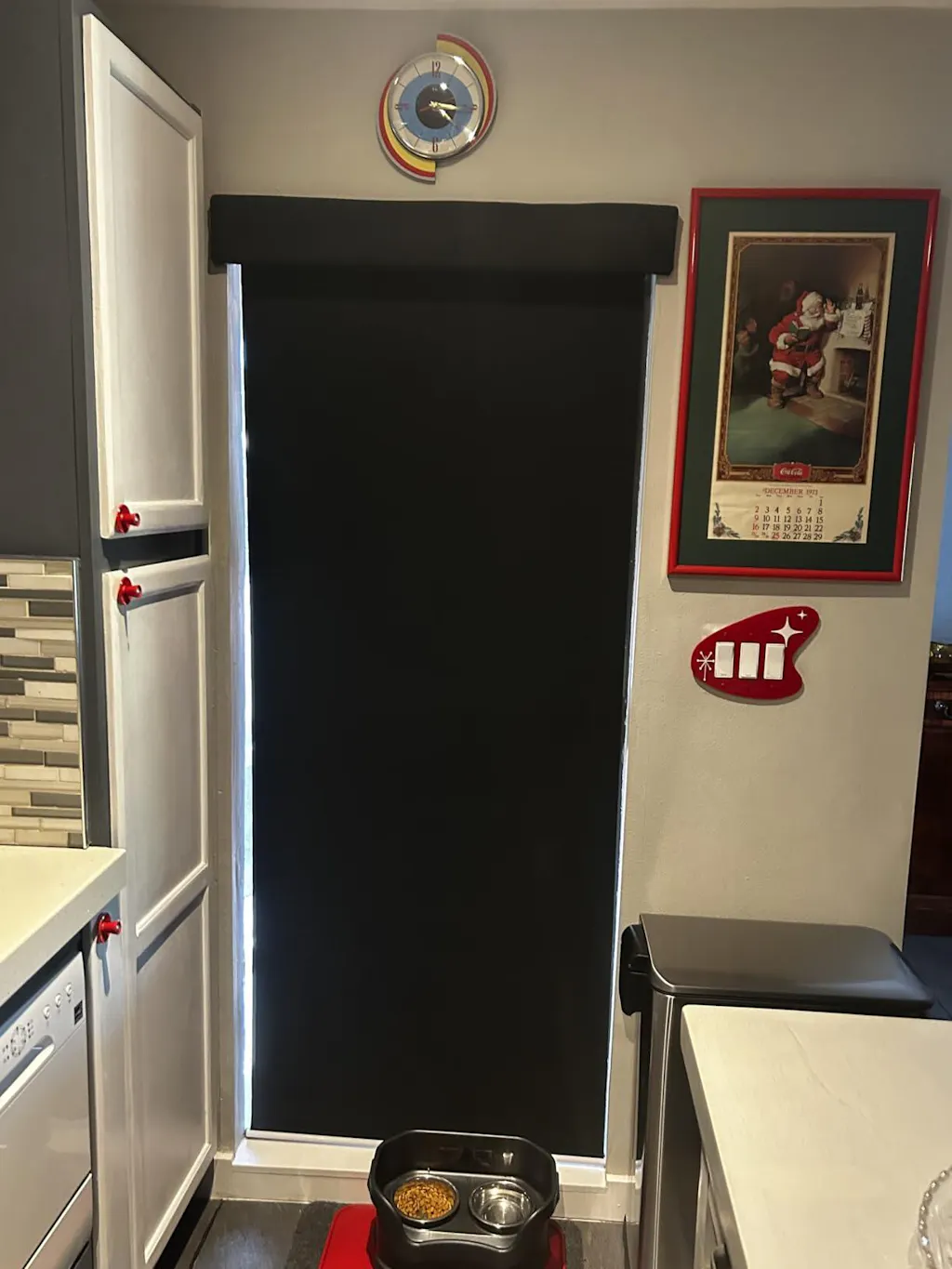
If you are a light sleeper, this is where the allen roth blackout shades really matter. I tested the allen roth cellular cordless blackout against the standard roller. The roller shade always has a light gap—usually about half an inch on either side—because the fabric has to be narrower than the brackets. It creates a 'halo' effect around the window at 6 AM.
The allen and roth blackout cellular shades, however, fit much tighter to the window casing. Because the honeycomb structure expands slightly to the sides, it blocks more of that intrusive morning sun. When I installed the allen roth blackout blinds in a south-facing room, the temperature drop was noticeable within an hour. For a nursery or a master suite, the allen roth blackout cellular shades are the clear winner for sleep hygiene.
Testing the Cordless Mechanism
I am picky about tension. I hate a shade that snaps up like a window film from the 90s. The allen and roth cordless cellular shade mechanism is actually quite impressive for the price point. It has a 'set it and forget it' feel. You pull it down to the sill, and it stays. No creeping back up. The allen and roth cordless cellular shades felt sturdier over 50 test pulls than the roller equivalent, which started to feel a bit gritty after a few days of heavy use.
The Truth About the Installation Process
Let’s talk about the allen and roth cellular shade installation. It is a 'measure twice, drill once' situation. If your brackets are even an eighth of an inch off-level, the shade will hang crooked, and with allen roth cellular blinds, that slant is incredibly obvious against the horizontal lines of the pleats. The clip-in system is easy enough, but you need some hand strength to get that final 'click.'
For standard windows, this is a 15-minute DIY. However, if you are dealing with high-up or angled glass, don't try to hack a stock shade to fit. For those tricky spots, I usually suggest skylight cellular shades which are designed for the tension required to stay flush against the glass. For the allen roth cellular shades installation, just make sure you have a sharp 1/16-inch drill bit for your pilot holes so you don't crack your window trim.
How to Style Store-Bought Shades Like a Designer
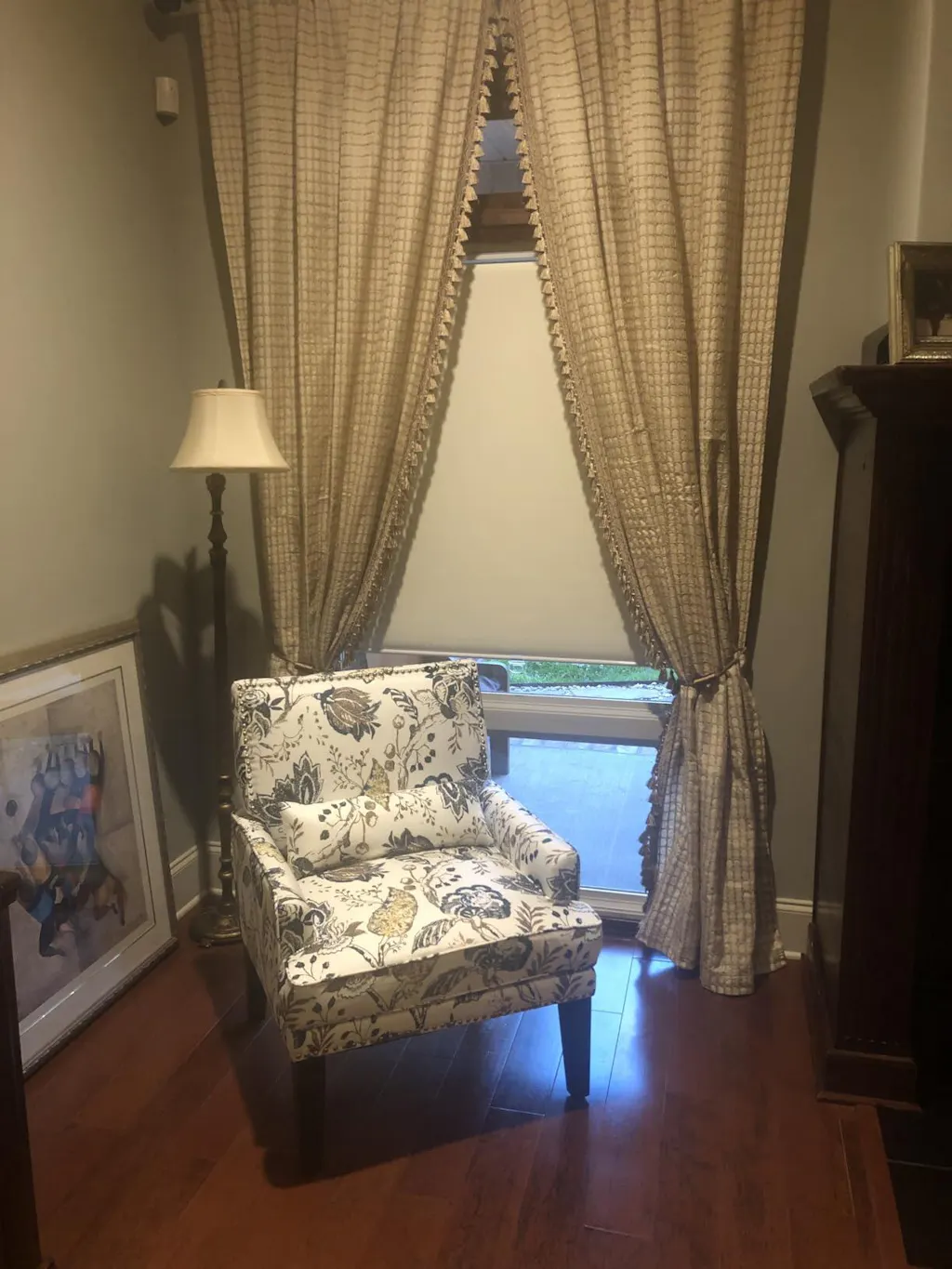
The secret to making allen roth shades cellular or rollers look expensive? Layering. Never let a stock shade stand alone if you want a high-end look. I always mount my shades inside the frame and then hang a pair of floor-to-ceiling drapes over them. This hides the plastic end caps of the allen and roth cellular blinds and softens the edges of the window.
If you are using allen roth blackout cellular shade options, choose a sheer curtain for the top layer. This gives you the 'best of both'—privacy and soft light during the day from the sheers, and total darkness at night from the shades. It hides the 'big box' origin and makes the entire window treatment look like a custom multi-layered installation.
FAQ
Do Allen Roth shades come with a warranty?
Most allen and roth blackout cellular shades come with a limited lifetime warranty through Lowe's, covering defects in the mechanism. Just keep your receipt—I usually tape mine to the back of the headrail so I never lose it.
Can you trim these shades at home?
While some allen and roth cellular shade models are 'cut-to-size' in-store, I don't recommend trimming them yourself with a hacksaw. The edges will almost always fray or look jagged. Let the store pros do it on their precision machines.
Are the cordless versions safe for kids?
Yes, the allen roth cordless cellular shade is the gold standard for safety. Without those dangling lift cords, there is zero strangulation risk, which is why I almost exclusively recommend cordless options for family homes now.