3/8 vs 3/4 Cellular Blinds: The Scale Mistake Ruining Your Windows
I remember standing in my first 'grown-up' apartment, staring at a massive 72-inch picture window with a set of flimsy, tiny-pleated blinds I had bought on clearance. They looked like a nervous vibration against the glass. I had spent weeks obsessing over the color—a soft oat milk—but I had completely ignored the 3/8 vs 3/4 cellular blinds debate. The result was a window that felt busy, cluttered, and somehow cheaper than the sum of its parts. It was a lesson in scale that I have never forgotten.
Quick Takeaways
- 3/8-inch cells are best for shallow window casings, French doors, and very small bathroom windows.
- 3/4-inch cells offer a clean, architectural look for large picture windows and sliding glass doors.
- 9/16-inch is the 'Goldilocks' middle ground for standard windows if you are torn between sizes.
- Measuring the cell size is done from the side profile, not the front of the fabric.
- Scale matters more than color when it comes to making a window treatment look custom.
The One Detail Everyone Forgets: Cellular Shade Pleat Size
When you are deep in the weeds of a home refresh, you usually obsess over the big stuff: blackout versus light-filtering, or whether that 'warm white' is actually going to look like a manila folder when the sun hits it. But the cellular shade pleat size is the silent killer of good design. It is the difference between a window that looks tailored and one that looks like a temporary paper shade from a hardware store. Many homeowners default to the smallest cell size because they think it will be 'unobtrusive,' but on a large window, that tiny pleat creates what I call the accordion effect.
Imagine a massive wall of glass covered in hundreds of tiny, 3/8-inch horizontal lines. It is visual noise. It creates a frantic, busy texture that distracts from your view and your furniture. Getting your cellular blinds cell size right is about matching the rhythm of the room. A large window has a slow, steady rhythm; it needs a larger pleat to ground it. When the scale is off, the blinds look like they are working too hard. When the scale is right, they disappear into the architecture of the house.
I have seen expensive custom homes where the owners spent five figures on motorized systems, only to choose a tiny pleat that looks like a pinstripe suit gone wrong. It is a classic case of ignoring the math of the room. If your window is over 48 inches wide, those tiny lines start to stack up in a way that feels heavy and dated. You want a pleat that breathes.
The Case for 3/8: When Small Cells Actually Belong
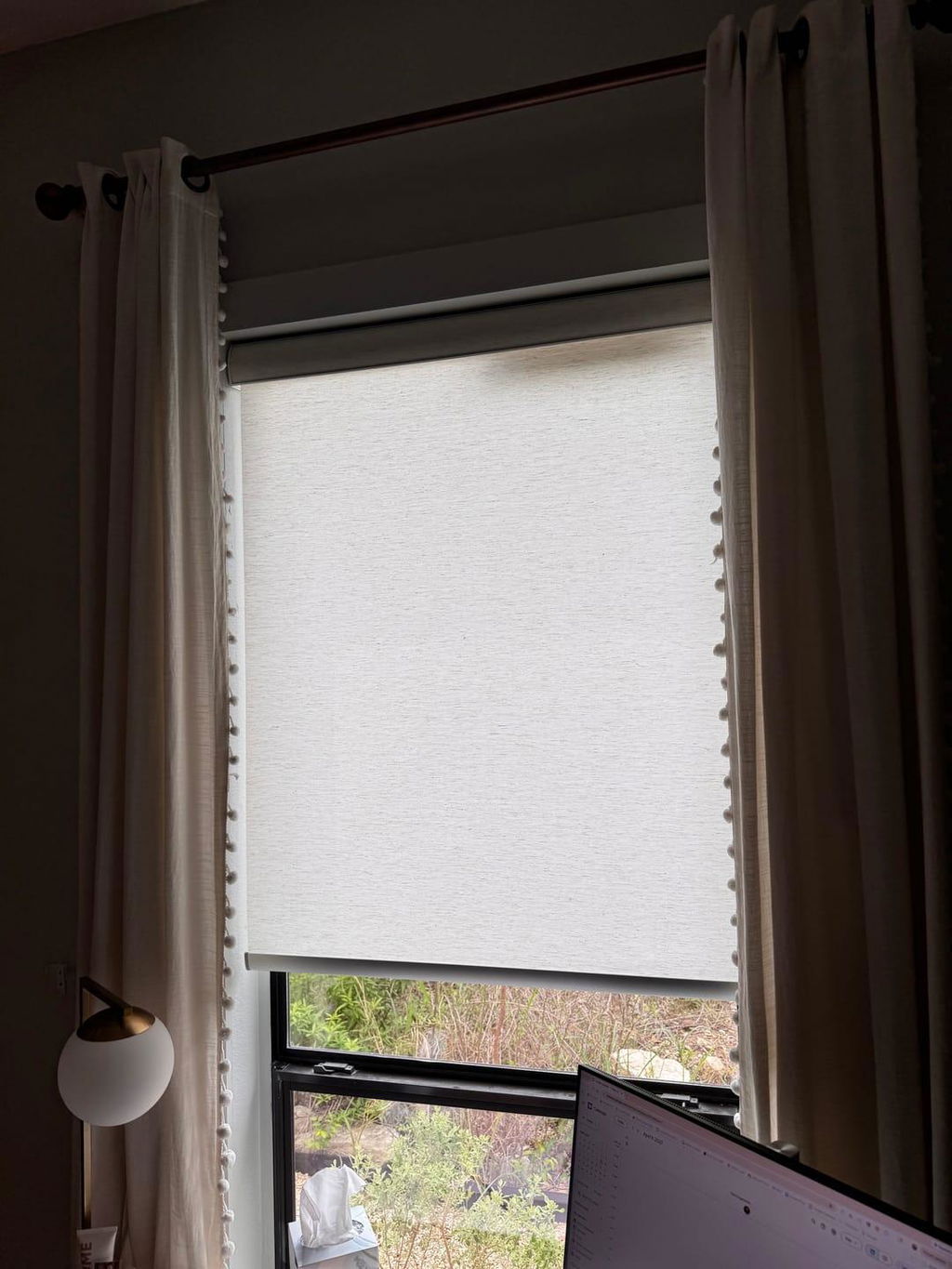
Now, I am not saying the 3/8-inch pleat is the villain of the story. It absolutely has its place, but that place is usually in the 'supporting actor' role. The 3/8-inch cell is the ultimate problem-solver for tight spaces. If you live in a charming older home with shallow window casings—the kind where you only have an inch of depth to work with—a 3/4-inch shade is going to protrude from the wall like a sore thumb. That is where the 3/8-inch shines. It tucks neatly into those slim profiles, staying flush with the trim.
French doors and sidelights are another win for the smaller cell. Because the glass on a door is usually narrow, a large 3/4-inch pleat can look oversized and 'clunky,' making it hard to operate the handle. When you are looking at 3/8 vs 9/16 cellular shades for these smaller spans, the 3/8-inch provides a delicate, refined texture that does not overwhelm the door's frame. It is also the go-to for those awkward little bathroom windows or hallway portals where you need privacy but don't want the window treatment to become the main event.
The 9/16-inch is that middle-ground hero. If you have a standard 36-inch wide window and you are paralyzed by indecision, 9/16 is the safe bet. It has more presence than the 3/8 but is not as bold as the 3/4. However, if you are truly trying to achieve a designer look, I usually tell my clients to push for the 3/4 unless the window depth literally won't allow it. Scale is the cheapest way to make a room look expensive.
The Case for 3/4: Why Big Windows Demand Big Pleats
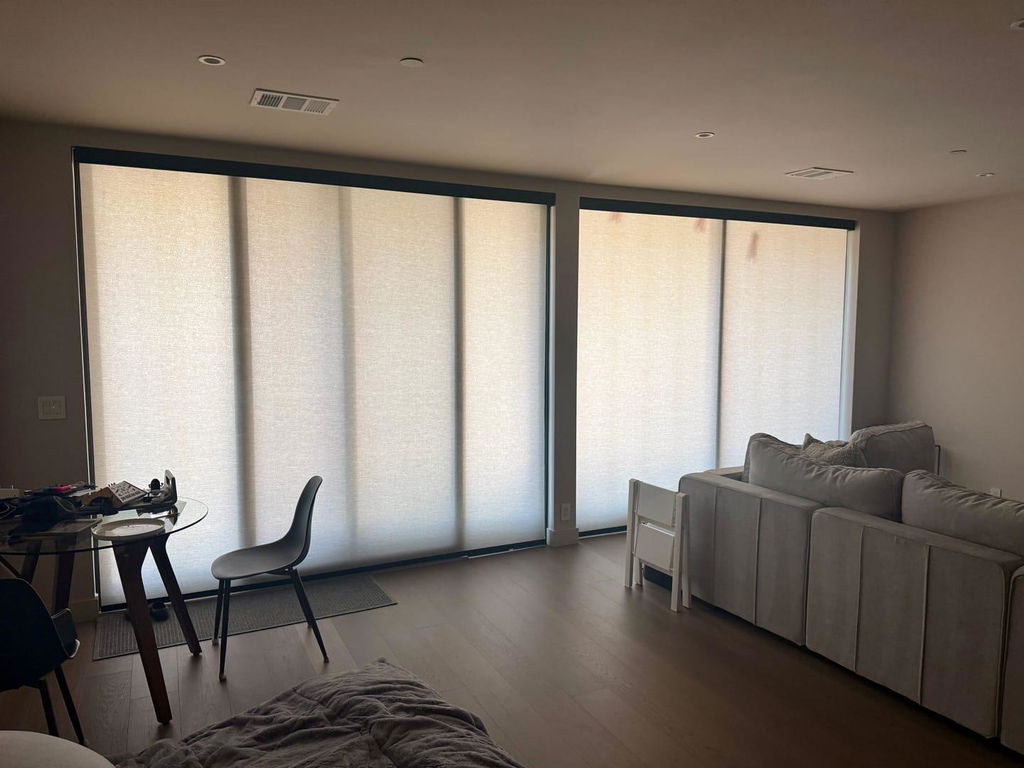
This is where we get into the heavy hitters. If you are shopping for sliding glass doors, floor-to-ceiling windows, or those gorgeous expansive living room picture windows, you need to be looking at the 3/4-inch options. When you compare 3/8 vs 3/4 cellular blinds on a large scale, the difference is staggering. The 3/4-inch pleat reduces the number of horizontal lines by half. This creates a much cleaner, more modern aesthetic that actually mimics the look of high-end drapery folds or structured Roman shades.
I recently helped a friend style her mid-century modern living room. She had these beautiful 80-inch wide windows and was convinced she needed the 'standard' small cells. We did a side-by-side comparison, and the 3/8-inch made the windows look like they were covered in a giant air filter. We switched to a 3/4-inch collection of cellular shades, and suddenly the windows felt like part of the wall. The larger pleats caught the light in a softer way, creating gentle shadows that added depth to the room rather than just 'covering' the glass.
Even if you are going for a high-tech setup, keep in mind that your motorized cellular blinds look basic if the scale is too small. The motorization adds a level of luxury, but if the fabric looks like a cheap accordion, the effect is lost. The 3/4-inch pleat has a weight and a 'drop' to it that feels intentional. It says, 'I chose this for this specific window,' rather than 'I bought the first thing I saw on the shelf.'
Wait, How to Measure Honeycomb Cell Size Anyway?
This is where people usually get tripped up. I have seen more than one DIYer try to measure the height of the pleat from the front and get totally confused. Here is the secret: how to measure honeycomb cell size is all about the profile. You need to look at the shade from the side—where the 'honeycomb' shape is visible. Take your ruler and measure the width of that cell from the front edge to the back edge (the part that would be touching the glass versus the part facing the room).
When you are looking at cell size honeycomb specs, you might also see terms like 'single cell' or 'double cell.' Do not let that distract you from the pleat size. A double cell just means there are two layers of honeycombs sandwiched together for better insulation. The 3/4-inch or 3/8-inch measurement still refers to the width of that overall stack. If you are doing an inside mount, this measurement is critical. A 3/4-inch shade usually requires a mounting depth of at least 2 inches to be fully flush, whereas a 3/8-inch can often squeeze into just over an inch.
I once made the mistake of ordering 3/4-inch double cells for a guest room with very shallow 1940s casings. The shades ended up sticking out nearly two inches past the trim. It looked like the blinds were trying to escape the window. I had to pivot to a 3/8-inch single cell, which taught me that while I love the look of big pleats, you can't argue with the physical reality of your window frame.
The Final Verdict: My Rule of Thumb for Pleat Proportions
So, how to choose cellular shades without losing your mind? I have a simple rule of thumb: if the window is wider than 36 inches, go with 3/4-inch pleats. If it is narrower than 24 inches or has a depth of less than 1.5 inches, go with 3/8-inch. Everything in between is the 'danger zone' where you can play with 9/16-inch or stick to the 3/4-inch for a more contemporary feel. Scale is about confidence; choosing a larger pleat shows that you are thinking about the architecture of the room, not just the function of the window.
Remember that window treatments are the 'outfit' for your room. You wouldn't wear a tiny, busy-patterned tie with a bold, wide-lapel suit—the scales would clash. The same goes for your glass. Getting the scale right is the ultimate styling hack—it is how I made the cellular shades IKEA sells look shockingly custom in my last guest room. By choosing the right proportions and mounting them with precision, you can make budget-friendly shades look like they were hand-crafted for your space.
Don't be afraid to hold up a sample. Most companies will send you a small cutting of the fabric in different cell sizes. Tape them to the glass, step back to the furthest corner of the room, and squint. If one looks like a solid wall of texture and the other looks like a series of intentional architectural lines, you have your winner. Trust your eye, but respect the scale of your windows.
Can I mix different cell sizes in the same room?
I generally advise against it. Even if you have one tiny window and one massive one, try to stick to one cell size to maintain a cohesive 'horizon line' across the room. If you absolutely must mix them, try to keep them on different walls so the eye doesn't catch the jump in scale.
Is 3/4-inch better for insulation than 3/8-inch?
Technically, yes. The larger 3/4-inch cell creates a bigger pocket of trapped air, which acts as a better thermal barrier. If you are trying to cut down on heating or cooling costs, the 3/4-inch (especially in a double-cell format) is the high-performance choice.
Do 3/4-inch blinds take up more space when they are raised?
Surprisingly, no. Because there are fewer pleats overall, the 'stack' (the height of the blinds when they are fully pulled up) is often very similar to the 3/8-inch version. You won't lose significantly more of your view by choosing the larger size.